Spain is known for its lively culture, deep-rooted traditions, and celebrations that bring entire towns together. Across the country, festivals are not simply events on a calendar—they are moments when history, music, food, and community spirit come alive. From colorful parades to centuries-old rituals, famous Spanish festivals offer travelers a chance to experience the country beyond its landmarks.
Many visitors arrive in Spain for its architecture or cuisine but leave with unforgettable memories of its celebrations. These Spanish cultural events reflect regional identities and traditions that have been passed down for generations. If you’re planning a trip to Spain, timing your visit around one of these festivals can turn an ordinary vacation into something truly special.
La Tomatina – Buñol’s Famous Tomato Festival
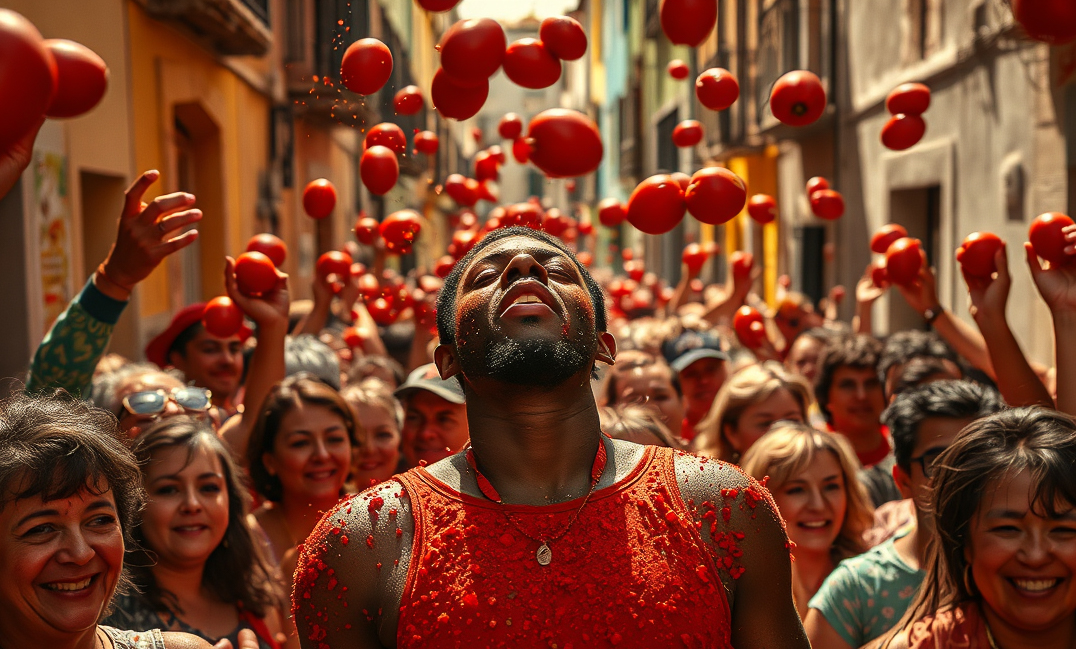
One of the most recognized traditional festivals in Spain is La Tomatina, held each August in the small town of Buñol near Valencia. What started as a local street fight with tomatoes in the 1940s has grown into an internationally known celebration.
During the festival, thousands of participants gather in the town square for a massive tomato-throwing event. While the activity itself lasts less than an hour, the atmosphere leading up to it is filled with music, street food, and lively gatherings.
La Tomatina has become one of the most unusual cultural festivals in Spain, drawing travelers who want to experience the playful and energetic side of Spanish culture.
Las Fallas – Valencia’s Festival of Fire and Art
Each March, the city of Valencia transforms during Las Fallas, one of the most visually impressive famous Spanish festivals. The event features towering sculptures called fallas, created by local artists and neighborhoods.
These colorful creations can reach several stories high and often depict humorous or political themes. For several days, the city becomes a vibrant open-air gallery.
The festival ends with La Cremà, when the sculptures are ceremonially burned in massive bonfires across the city. The combination of art, fire, music, and fireworks makes Las Fallas one of the most unforgettable Spanish cultural events.
San Fermín – Running of the Bulls in Pamplona
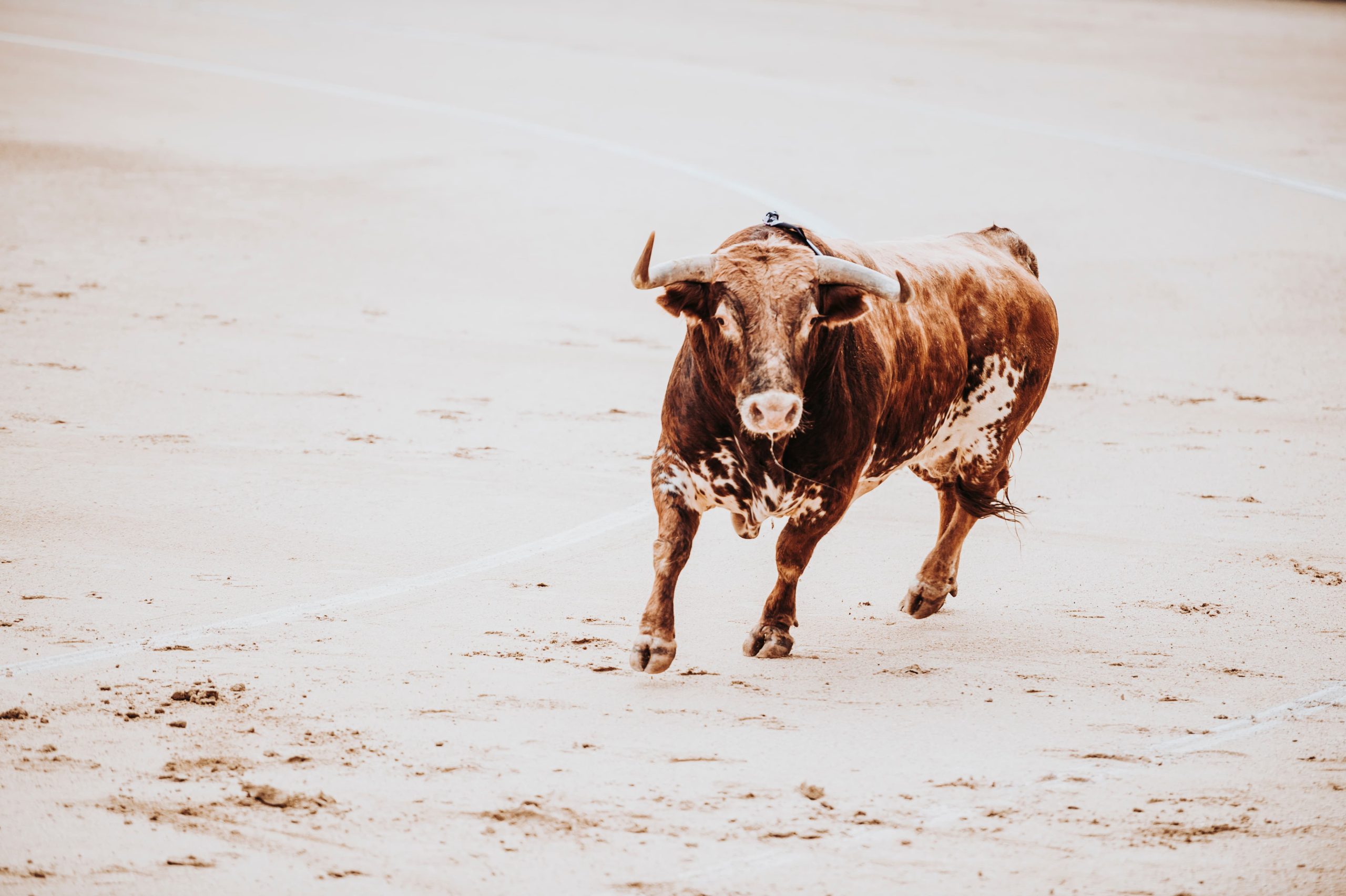
The San Fermín Festival in Pamplona is among the most widely known traditional festivals in Spain. Held each July, the celebration is best known for the Running of the Bulls, where participants run alongside bulls through the narrow streets of the city.
While the run lasts only a few minutes each morning, the festival itself spans several days filled with parades, music, dancing, and traditional clothing.
Despite its international fame, San Fermín remains deeply rooted in local culture and religious tradition, making it one of the most iconic cultural festivals in Spain.
Feria de Abril – Seville’s Spring Celebration
Just weeks after Easter, Seville hosts Feria de Abril, a vibrant celebration of Andalusian culture. For an entire week, the city fills with decorated tents called casetas, where families and friends gather for music, dancing, and traditional food.
Visitors will often see locals dressed in colorful flamenco attire, riding horses through the fairgrounds or dancing late into the night.
This festival beautifully captures the social and cultural spirit of southern Spain and stands out as one of the most famous Spanish festivals for travelers to experience.
La Feria de Málaga – A Coastal Summer Festival
Held every August in the coastal city of Málaga, this festival celebrates the region’s history and Mediterranean culture. The event begins with a large fireworks display along the harbor, marking the start of days filled with music, dancing, and traditional food.
During the daytime, the city streets host open-air celebrations with live performances and local wine. At night, the festivities move to the fairgrounds with rides, concerts, and cultural exhibitions.
For travelers looking to experience authentic Spanish cultural events in a coastal setting, Málaga’s summer festival offers a perfect combination of tradition and celebration.
Why Festivals Are Central to Spanish Culture
Festivals in Spain are deeply connected to local history and community identity. Many celebrations date back centuries and reflect religious traditions, seasonal changes, or historical events.
For travelers, attending these traditional festivals in Spain offers something unique—an opportunity to see how communities celebrate their heritage while welcoming visitors into the experience.
Music fills the streets, local foods are shared among crowds, and entire neighborhoods participate in organizing events. These moments create a sense of unity that is difficult to replicate elsewhere.
Experiencing Spain Through Its Celebrations
Spain’s festivals are more than just attractions—they are expressions of culture, history, and local pride. Attending one of the many cultural festivals in Spain allows travelers to experience the country in a way that goes beyond sightseeing.
Whether it’s the fiery sculptures of Valencia, the vibrant streets of Seville, or the energy of Pamplona’s celebrations, these events capture the heart of Spanish life.