A trip to Europe often comes with a long list of places you want to see. Paris, Rome, Amsterdam, Barcelona—it’s tempting to fit everything into one itinerary. But moving between multiple cities can quickly become exhausting if it’s not planned well.
The key isn’t to see more. It’s to plan smarter so you can actually enjoy each stop. If you’re planning a trip to Europe that includes multiple cities, a few thoughtful decisions can make the entire journey smoother and more memorable.
Start With Fewer Cities Than You Think
One of the most common mistakes in European travel is trying to cover too many destinations in a short time. On paper, five cities in ten days might look exciting. In reality, it often turns into rushing between airports and train stations.
A better approach is to:
- Choose 2 to 4 cities max for a 10–14 day trip
- Spend at least 2–3 nights in each place
- Leave room for slower days without strict plans
This way, your trip to Europe feels like an experience, not a checklist.
Plan Your Route Logically
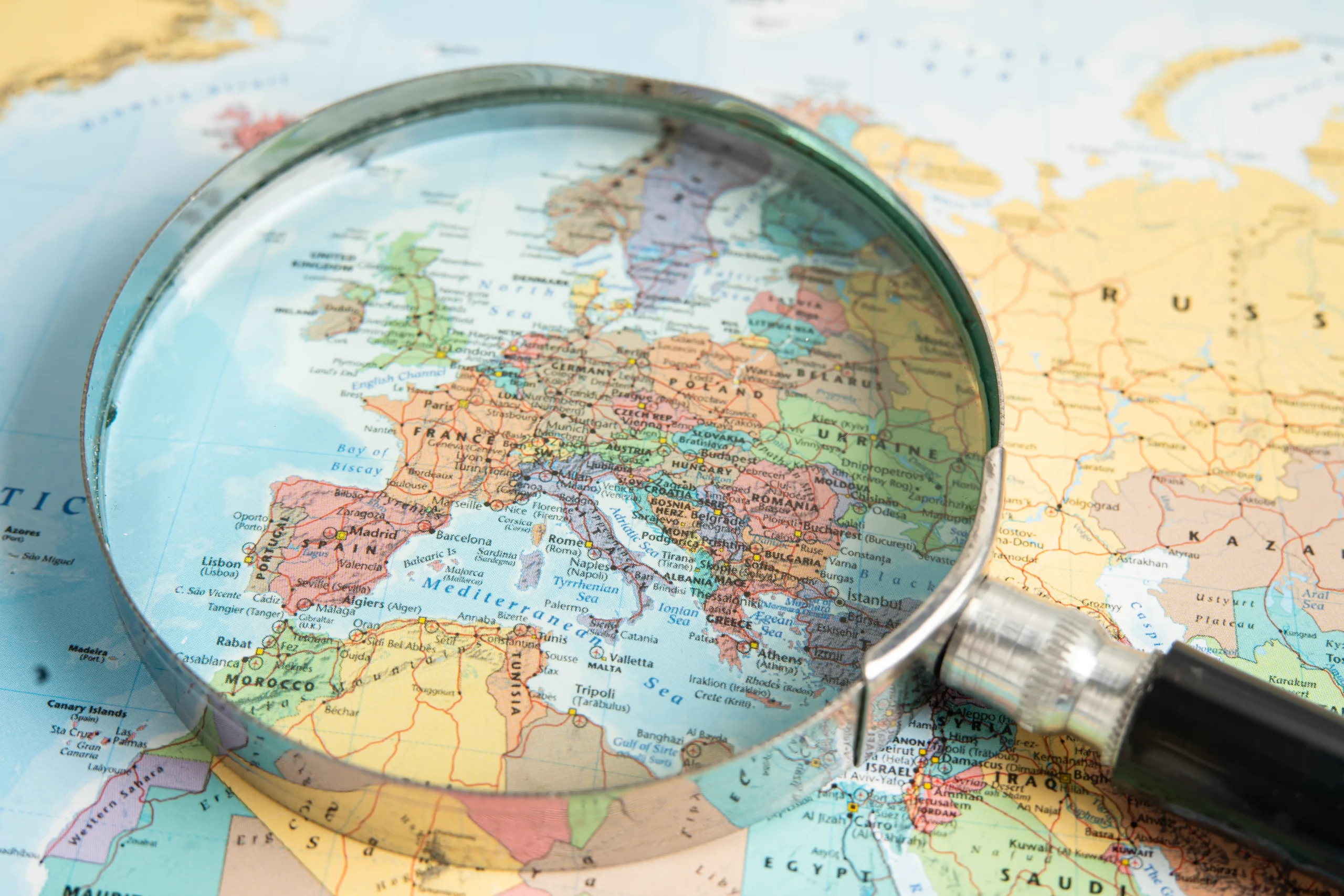
Geography matters more than most people expect. Jumping back and forth across countries wastes time and energy. When planning a trip to Europe, try to:
- Move in one direction (for example, north to south)
- Group nearby cities (like Paris → Brussels → Amsterdam)
- Avoid unnecessary backtracking
A well-planned route reduces travel fatigue and gives you more time to enjoy each destination.
Choose the Right Way to Travel Between Cities
Getting from one city to another is part of the experience. The right choice depends on distance, budget, and how you like to travel.
Trains: Ideal for short to medium distances. They’re comfortable, central, and save time on airport transfers.
Flights: Better for longer distances across countries.
Buses or car rentals: Useful for smaller towns or flexible routes
For most European travel plans, trains are often the easiest and most enjoyable option, especially if you want to avoid airport stress.
Pack Light (It Makes a Huge Difference)
It’s easy to underestimate how often you’ll be moving, from hotels to trains to sidewalks, and stairs. Heavy luggage quickly becomes a problem. For a smoother trip to Europe:
- Stick to one carry-on suitcase or backpack
- Choose versatile clothing you can mix and match
- Keep essentials easy to access during transit
Traveling light gives you more freedom, especially when switching cities every few days.
Book Key Things in Advance, But Not Everything
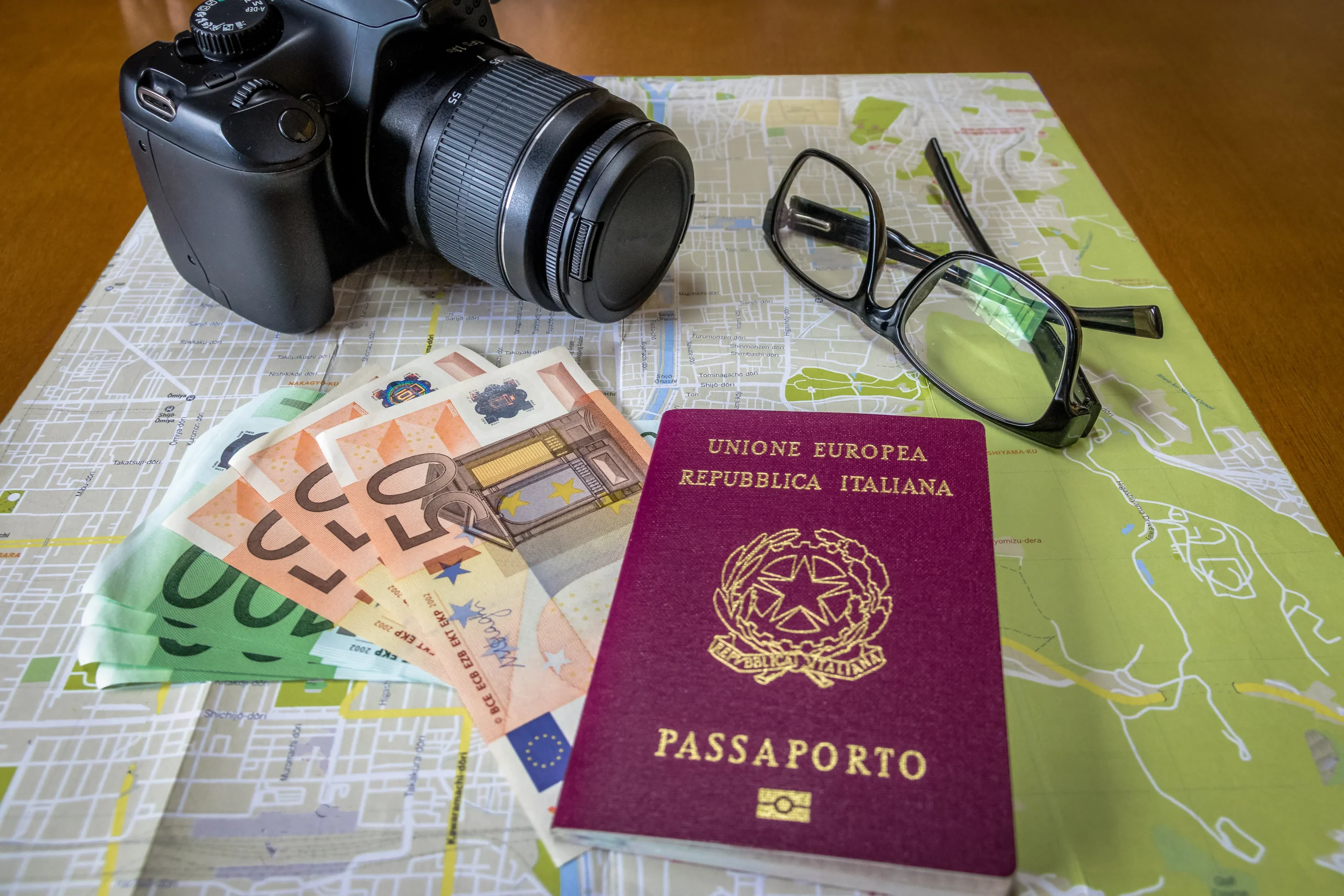
It’s important to strike a balance. Overplanning can make your trip feel rigid, while underplanning can lead to unnecessary stress. When planning a trip to Europe, it’s smart to:
- Book accommodation early, especially in peak seasons
- Reserve major attractions (like museums or landmarks) in advance
- Leave space for unplanned time to explore
Some of the best moments in European travel come from simply walking through a neighborhood or finding a place you didn’t plan for.
Understand Travel Time Beyond Just Distance
A two-hour train ride doesn’t just take two hours. You need to factor in getting to the station, waiting time, and reaching your accommodation after arrival.When mapping your trip to Europe, always:
- Add extra buffer time between check-out and check-in
- Avoid scheduling major activities right after travel
- Keep travel days lighter
This small adjustment can make your trip feel far less rushed.
Stay in Central Locations
Where you stay can change your entire experience. A hotel or apartment in the city center saves time and makes it easier to explore without relying too much on transport.
For smoother European travel:
- Choose areas close to major attractions or public transport
- Look for neighborhoods that are safe and walkable
- Avoid locations that require long daily commutes
Being centrally located helps you make the most of your time, especially in cities where everything is spread out.
Keep Your Schedule Flexible
Even with the best planning, things don’t always go exactly as expected. Trains can be delayed, the weather can change, or you might simply want to spend more time in one place.
A flexible mindset helps you enjoy your trip to Europe more:
- Don’t overfill every day with activities
- Be open to adjusting plans
- Allow time to rest between busy days
Travel feels better when you’re not constantly watching the clock.
Final Thoughts
A multi-city trip to Europe can be one of the most rewarding travel experiences—if it’s planned with balance. Instead of trying to see everything, focus on creating a journey that feels comfortable and enjoyable.
With the right approach to planning a trip to Europe, you’ll spend less time worrying about logistics and more time actually experiencing each place. And in the end, that’s what makes Europe travel true