Tokyo operates on a scale that can overwhelm a first-time visitor. This metropolis houses over thirty-seven million residents across interconnected districts that each feel like independent cities. Finding the best activities requires looking past the neon signs and organizing your itinerary around specific interests, historical sites, and regional dining spots.
Travelers can maximize their stay by exploring the concrete contrasts that make this destination a global focal point.
Historical Foundations and Sacred Spaces
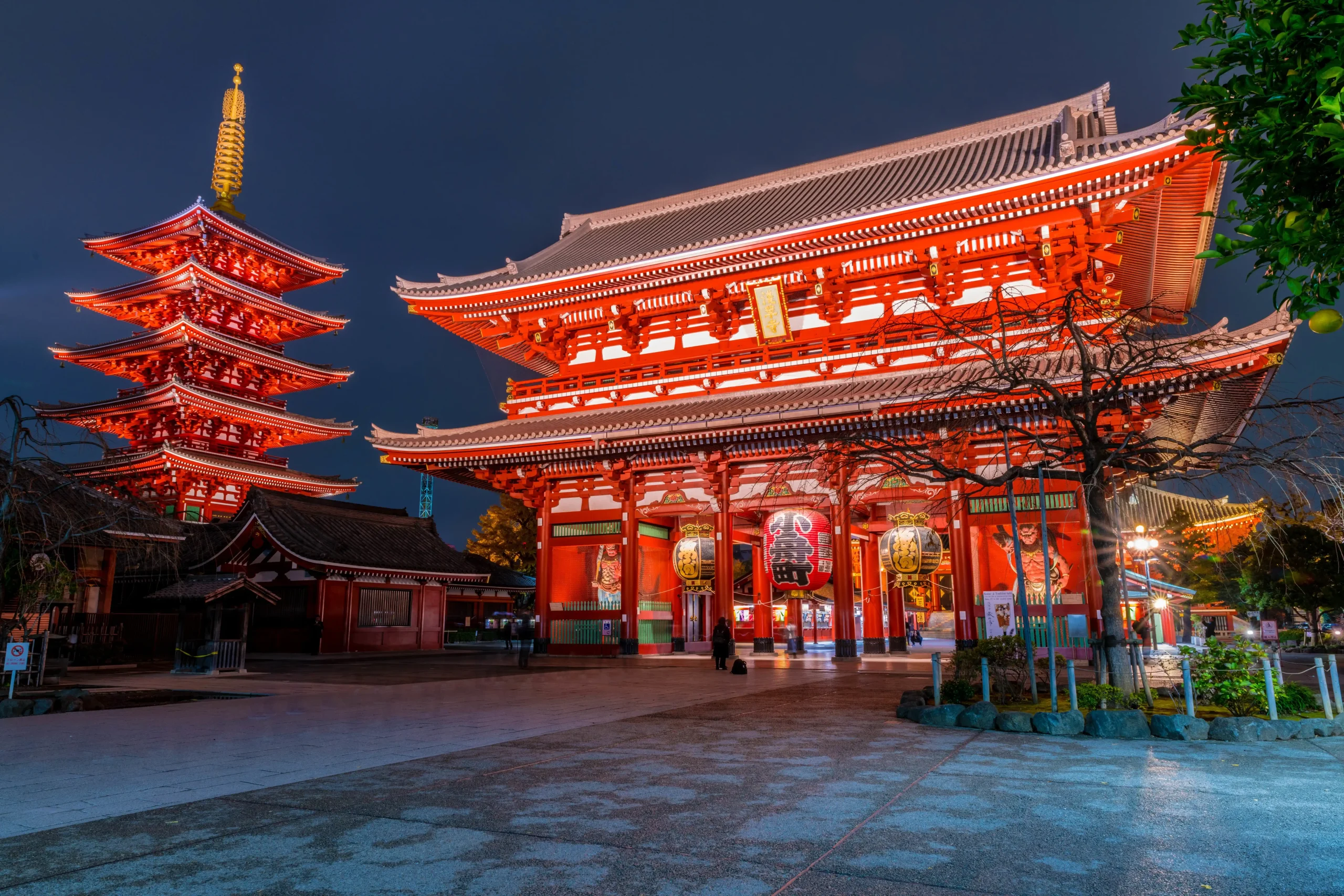
1. Senso-ji Temple
The historic district of Asakusa preserves the oldest religious site in the city. Senso-Ji Temple draws millions of visitors annually to its main hall, which was originally founded in the seventh century. Walking past the massive red paper lantern at the Kaminarimon gate puts you on Nakamise-dori, a historic market street where vendors serve traditional sweet bean cakes and grilled rice crackers.
2. Meiji Jingu Shrine
The Meiji Jingu Shrine offers an entirely different atmosphere in the middle of Shibuya. Dedicated to the deified spirits of Emperor Meiji and Empress Shoken, this shrine sits inside a dense forest composed of over one hundred thousand trees donated from across the nation. The gravel pathways deaden the roar of the nearby city streets, leading visitors to a massive wooden torii gate built from ancient Taiwanese cypress.
3. East Gardens of the Imperial Palace
The East Gardens of the Imperial Palace allow travelers to walk along the massive stone foundations of the former Edo Castle. Visitors can explore the preserved defense walls, moats, and bamboo gardens that once housed the Tokugawa shogunate. Admission is free to the public.
4. Nezu Museum
The Nezu Museum in Minato pairs historical art with traditional landscape architecture. The gallery houses a private collection of pre-modern Japanese and East Asian art, including national treasure iris screens. Outside, the museum grounds feature a sprawling garden complete with stone lanterns, running streams, and four historic tea houses.
Modern Pop Culture and Technology Hubs
5. Akihabara Radio Kaikan
The Akihabara district serves as the global epicenter for electronics, gaming, and animation culture. Multi-story complexes like Radio Kaikan feature thousands of independent stalls selling rare collectible figures, retro video game cartridges, and specialized computer hardware. This neighborhood highlights the intense consumer drive behind modern Japanese media.
6. Takeshita Street
Harajuku’s Takeshita Street functions as the launchpad for extreme youth fashion trends and street food. The narrow pedestrian corridor stays packed with teenagers exploring boutique clothing shops, vintage stores, and colorful crêpe stands. Walking this block provides an immediate look at the subcultures that influence global streetwear design.
7. Shibuya Crossing
This crossing represents the sheer human density of modern Tokyo. The intersection alone releases thousands of pedestrians simultaneously from five different directions every few minutes. The best view is from the second floor of the Shibuya Station building, where travelers can watch the organized chaos of the crowd below.
8. Shibuya Sky
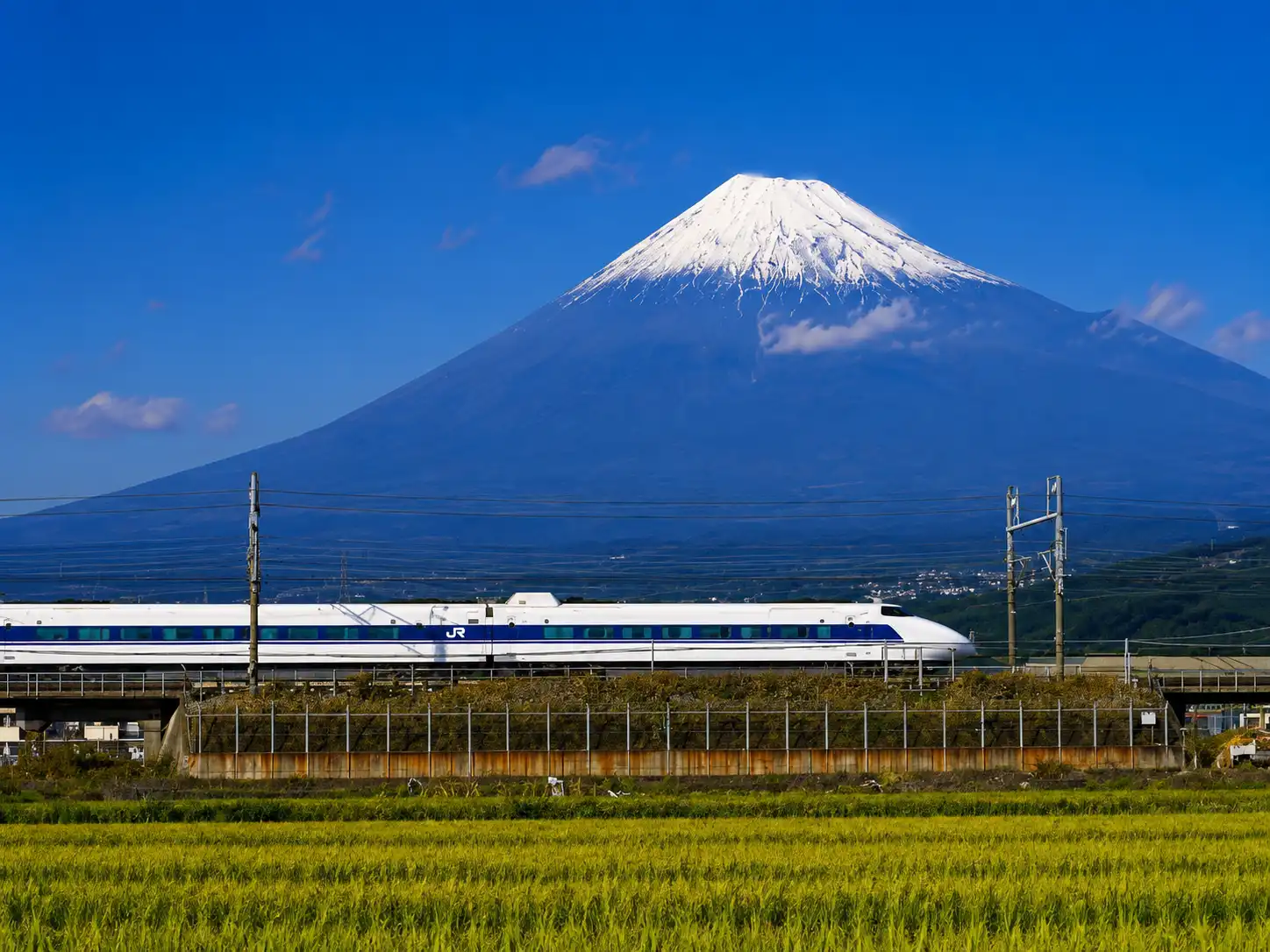
The newly developed Shibuya Sky observation deck offers a bird’s-eye view of the entire metropolis. Located 750 feet above the pavement, the outdoor glass platform provides unobstructed panoramic views that stretch all the way to Mount Fuji on clear mornings. The design utilizes open-air corners to remove the visual barrier between the viewer and the city grid.
Culinary Excursions and Market Stalls
9. Toyosu Market
This market handles the heavy commercial seafood trade that supports the city’s high-end restaurants. Visitors can view the early morning tuna auctions from elevated glass galleries before exploring the public restaurant sector. This facility replaced the historic inner Tsukiji Market, introducing advanced temperature controls and modern logistics.
10. Tsukiji Outer Market
It remains a premier destination for street food and specialized kitchen tools. Narrow alleys host centuries-old businesses selling high-carbon steel chef knives, dried seaweed, and fresh street snacks. Vendors grill skewered wagyu beef, tamagoyaki omelets, and fresh oysters directly in front of customers.
11. Memory Lane
Located along the rail tracks in western Shinjuku, Memory Lane preserves the post-war dining atmosphere of the city. This network of alleys contains tiny counter-service bars that accommodate fewer than ten patrons each. Chefs grill charcoal-fired yakitori skewers while steam from noodle pots fills the tight pedestrian walkways.
12. Isetan Depachika
Depachika, located in the basements of major department stores like Isetan in Shinjuku, operate as massive luxury food halls. These subterranean markets feature pristine displays of regional bento boxes, French pastries, and high-end domestic fruits like prized musk melons. Travelers can assemble a world-class picnic meal within a single city block.
Creative Expression and Neighborhood Walks
13. teamLab Planets
The teamLab Planets exhibition in Toyosu presents an interactive approach to digital art. Visitors walk barefoot through massive installations that combine water features, mirrors, and shifting projection displays. The physical interaction forces participants to move through changing light fields that react directly to human movement.
14. Yayoi Kusama Museum
The Yayoi Kusama Museum in Shinjuku dedicates multiple floors to the career of Japan’s most famous contemporary artist. The building houses her signature polka-dot installations, infinity mirror rooms, and large-scale paintings. Tickets require advance booking months ahead of time due to strict capacity limits.
15. Ghibli Museum
The Ghibli Museum in Mitaka showcases the physical animation processes behind classic films like My Neighbor Totoro. You will find the building design mimicking an organic labyrinth, featuring rooftop gardens, original sketches, and exclusive short films that never screen in commercial theaters.
16. Daikanyama T-Site
The Daikanyama T-Site bookstore reimagines the retail reading environment. Three interconnected pavilions combine literature, specialized magazines, design objects, and a vintage lounge. The architectural facade uses an interlocking pattern of white tiles shaped like the letter T, creating a quiet space away from the main commercial centers.
Transit Innovations and Coastal Views
17. Shinkansen Bullet Train
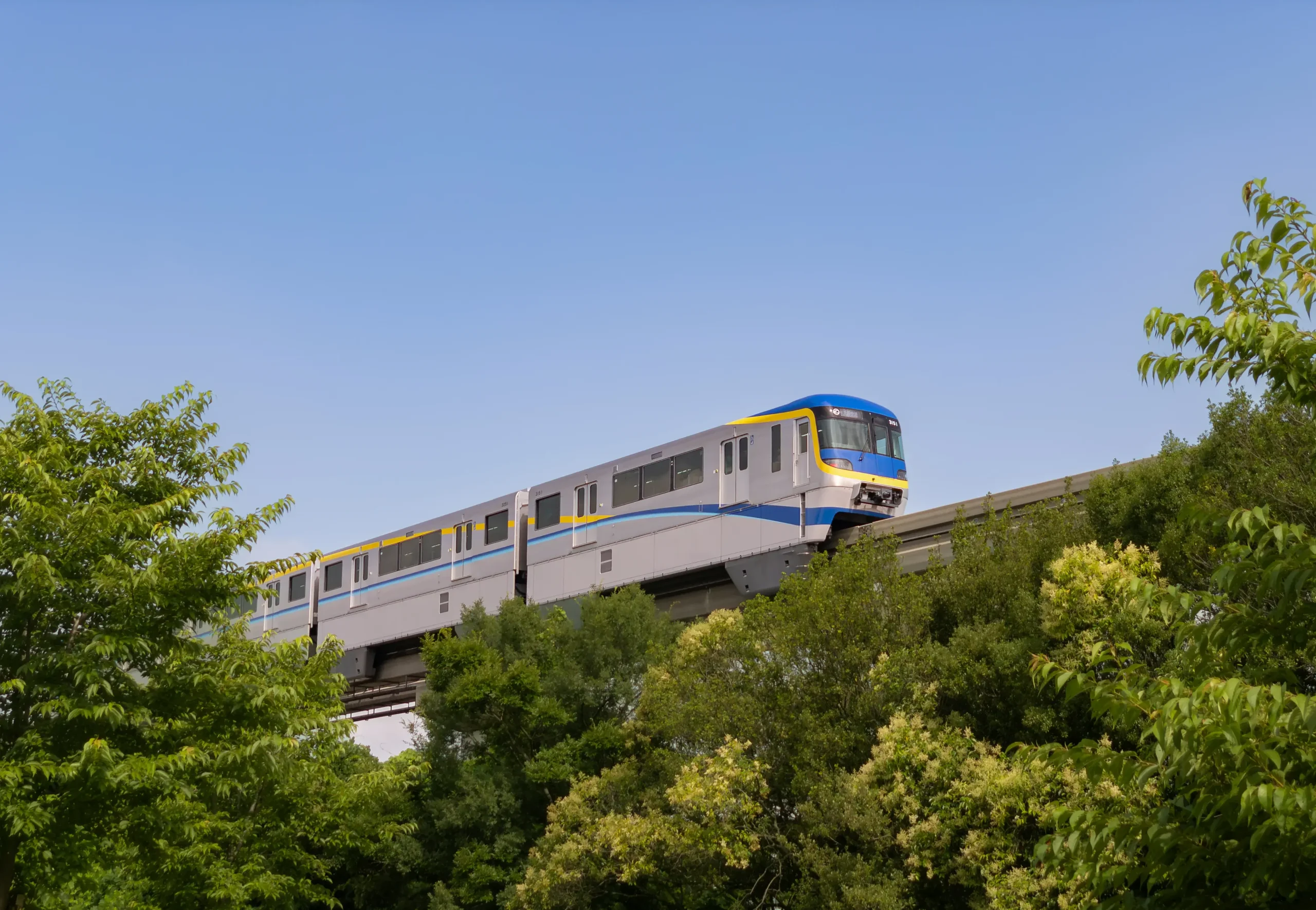
The Shinkansen bullet train network links Tokyo Station to regional destinations like Kyoto and Osaka at speeds topping 200 miles per hour. Riding these trains gives travelers a look at the precise engineering and punctual logistics that drive the domestic transport infrastructure. Tickets can be purchased directly via mobile applications before arrival.
18. Yurikamome Monorail
The Yurikamome automated monorail provides a scenic transit loop across the Rainbow Bridge to the waterfront district of Odaiba. The driverless train negotiates a 270-degree spiral loop to gain elevation before crossing the bay. Passengers get clear views of the cargo docks, passenger ship terminals, and the Tokyo Tower skyline.
19. Sumida River Cruise
The cruise utilizes futuristic water buses designed by anime creator Leiji Matsumoto to link Asakusa with the coastal bay. The metallic, low-profile vessels slide under dozens of historic bridges, providing a historic perspective on how the city expanded outward from its riverbanks.
20. Tokyo Skytree
It stands as the tallest structure in Japan, reaching 2,080 feet into the sky. The observation decks feature glass-bottomed floors that look straight down into the urban grid of Sumida. Visiting at sunset allows travelers to watch the endless rows of skyscrapers light up simultaneously across the Kanto plain.