It is no secret that Morocco draws millions of international visitors annually to its ancient imperial cities, high mountain passes, and sprawling desert dunes. Morocco travel planning requires looking past idealized social media feeds and focusing on the concrete realities of local logistics. Tourism data from the Ministry of Tourism shows steady growth in arrivals, making popular spots more crowded and driving a need for early preparation.
Travelers who understand the transportation networks, currency rules, and regional climates can build a highly predictable schedule. Utilizing practical Morocco travel advice helps you avoid common planning mistakes and ensures a smooth trip.
Mapping Your Route and Managing Travel Times
Geography surprises many first-time visitors who assume the country is small and easy to cross in a few days. Mountain ranges like the High Atlas split the landscape, turning short distances on a map into multi-hour, winding drives. You must match your total days on the ground to a realistic travel radius to avoid spending your entire vacation inside transit vehicles.
Seven Days or Less: The Imperial Triangle
Short schedules require strict focus to prevent burnout. Sticking to a route that links Marrakech, Casablanca, and Rabat allows you to maximize your actual sightseeing hours. High-speed rail connects these major hubs, letting you tour historic palaces and modern coastal monuments without losing entire days to the road.
Ten to Fourteen Days: The Desert and Coast Loop
Two full weeks allow you to expand your route past the main urban centers. You can head east from Marrakech over the Tizi n’Tichka pass to reach the desert dunes of Merzouga, then travel north to Fes and the blue-washed streets of Chefchaouen. This longer calendar accommodates the slow speeds of mountain roads and gives you time to appreciate each distinct region.
Morocco Tourist Guide: Mastering the Local Transit Network
Moving between provinces is highly efficient if you select the right transport method for each leg of your journey. The national transit infrastructure features options ranging from high-speed trains to shared local cabs.
Al Boraq High-Speed Rail
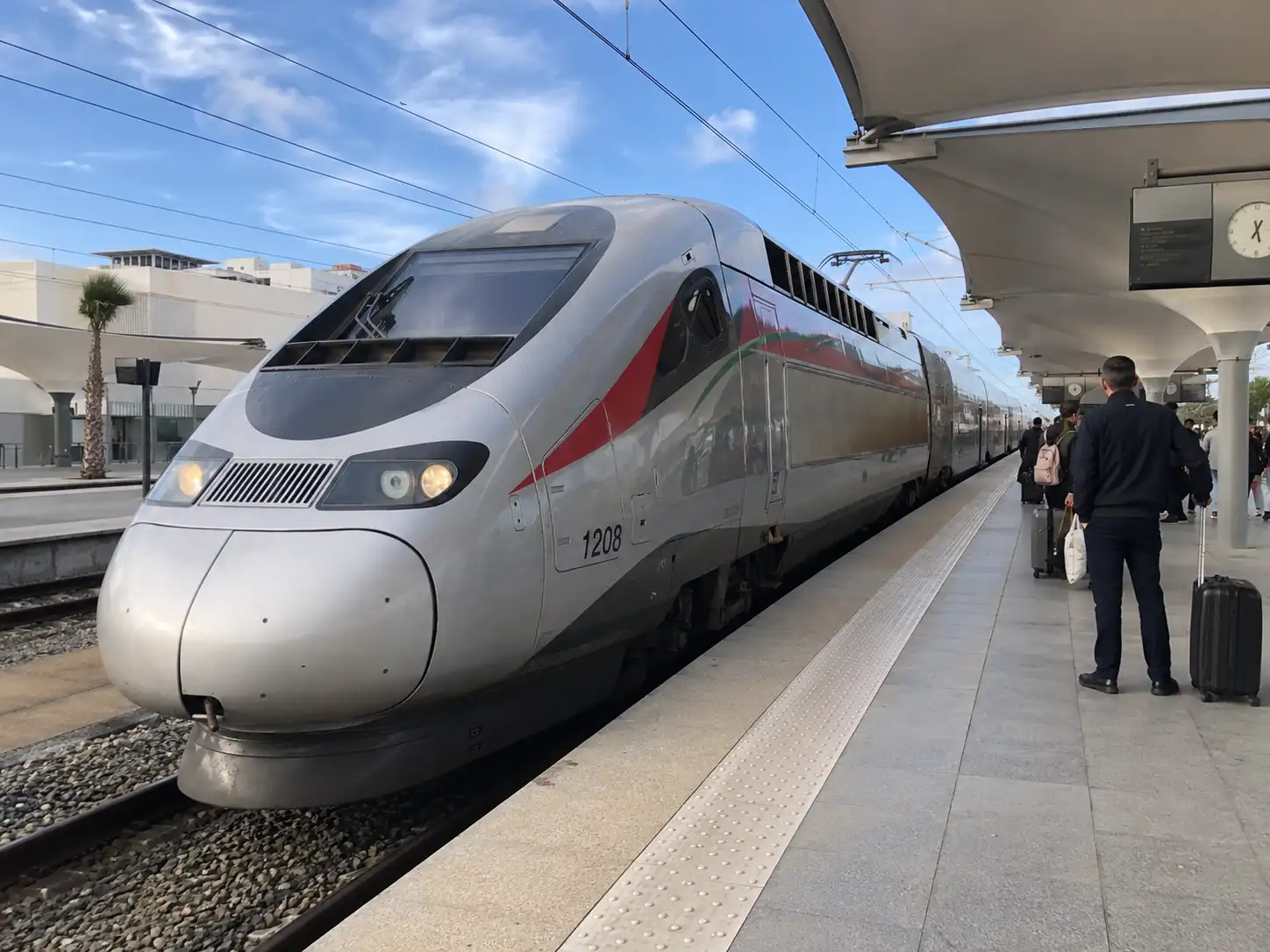
Africa’s first high-speed rail line operates along the Atlantic coast, linking Tangier to Casablanca via Rabat in just over two hours. Trains run on precise timetables, offering clean, air-conditioned carriages and digital ticketing. Booking your seats on the ONCF website several weeks before departure secures the lowest rates.
Grand Taxis for Regional Links
Trains do not reach the southern desert or smaller mountain villages, making grand taxis the standard option for intercity transit. These shared vehicles, typically large Mercedes sedans or multi-passenger vans, run on fixed routes between specific city stations. You can buy a single seat and wait for the vehicle to fill, or pay for all the seats to secure a private ride on your own schedule.
Handling Money and Managing Daily Transactions
Financial transactions in this economy rely heavily on cash, especially once you step outside major international hotels and high-end restaurants. Knowing how to manage your currency prevents transactional delays.
The Moroccan Dirham
The local currency is a closed currency, meaning you cannot easily buy dirhams before you enter the country. Plan to withdraw local cash from bank ATMs immediately upon arrival at the airport. Keep a steady supply of small bills and coins in your pocket, as taxi drivers and market vendors rarely carry change for large banknotes.
ATM Safety and Credit Cards
Major card networks work reliably in modern supermarkets and established hotels, but smaller shops and street stalls demand paper money. Only use ATMs physically located inside bank branches to avoid card skimming devices. Inform your home bank of your specific travel dates to prevent automated fraud alerts from blocking your card.
Decoding Medina Geography and Staying Oriented
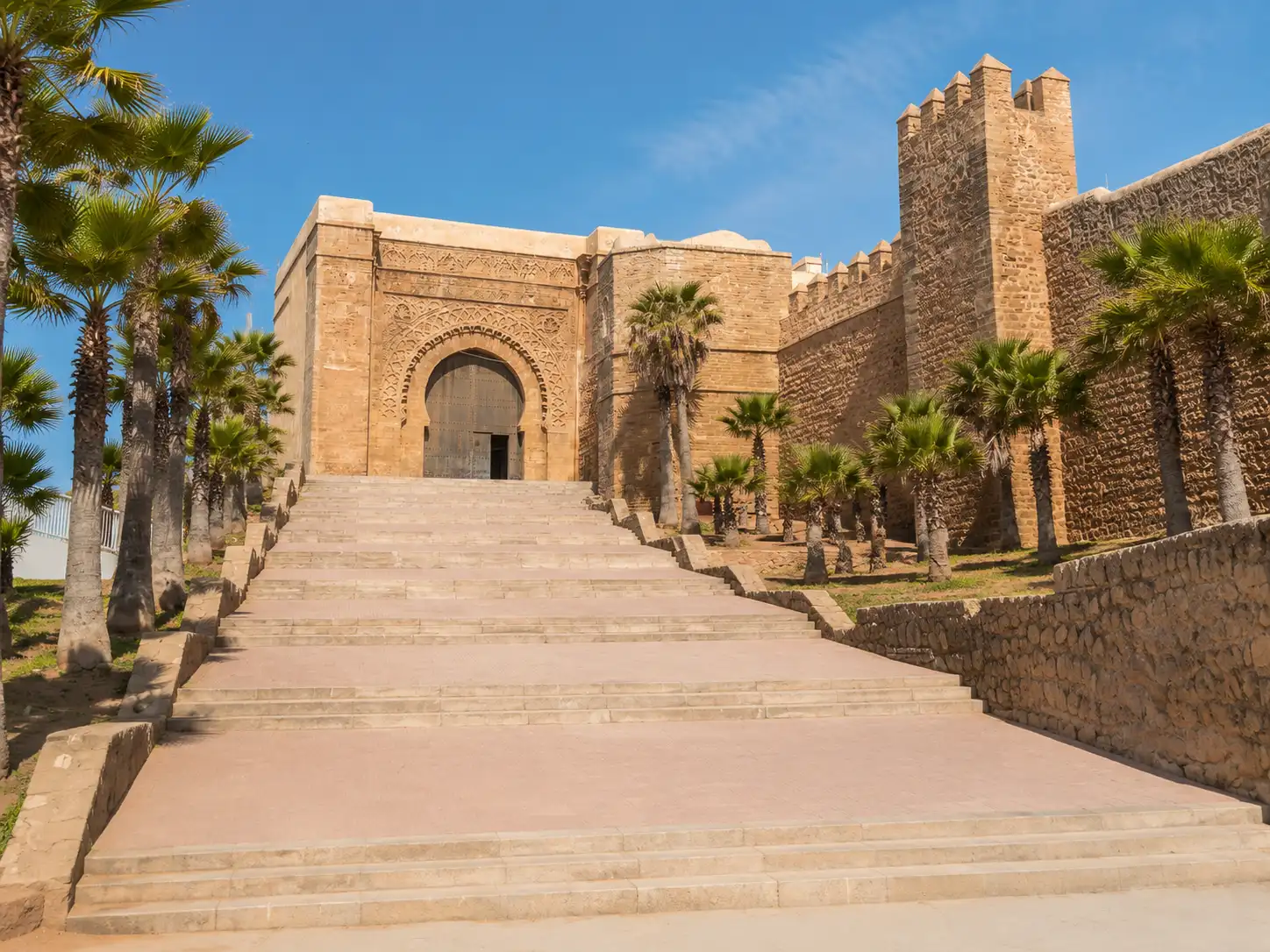
Morocco travel planning must include historic walled districts, known as medinas, which serve as the primary cultural draw in cities like Fes and Marrakech. These ancient sectors function as giant, labyrinthine pedestrian zones where GPS signals often drop entirely.
Navigation Apps That Work Offline
Standard mapping applications frequently fail inside the high stone walls of the old medinas. Downloading offline mapping tools like Maps.me before you arrive provides accurate, user-sourced walking paths that work without a cellular data connection. Pin your hotel location the moment you check in so you can find your way back through the winding alleys.
Managing Unofficial Street Guides
Local residents, particularly young men standing near major gates, often offer directional help to lost tourists. These offers almost always end with a demand for payment or a detour into a family-owned rug shop. Politely decline these offers with a firm thank you, and ask uniformed tourism police officers or local shopkeepers for directions instead.
Packing for Extreme Microclimates
Weather patterns vary wildly depending on your elevation and proximity to the ocean. Packing generic resort wear will leave you unprepared for the cold nights of the high desert and mountain regions.
Layering for Desert Temperature Drops
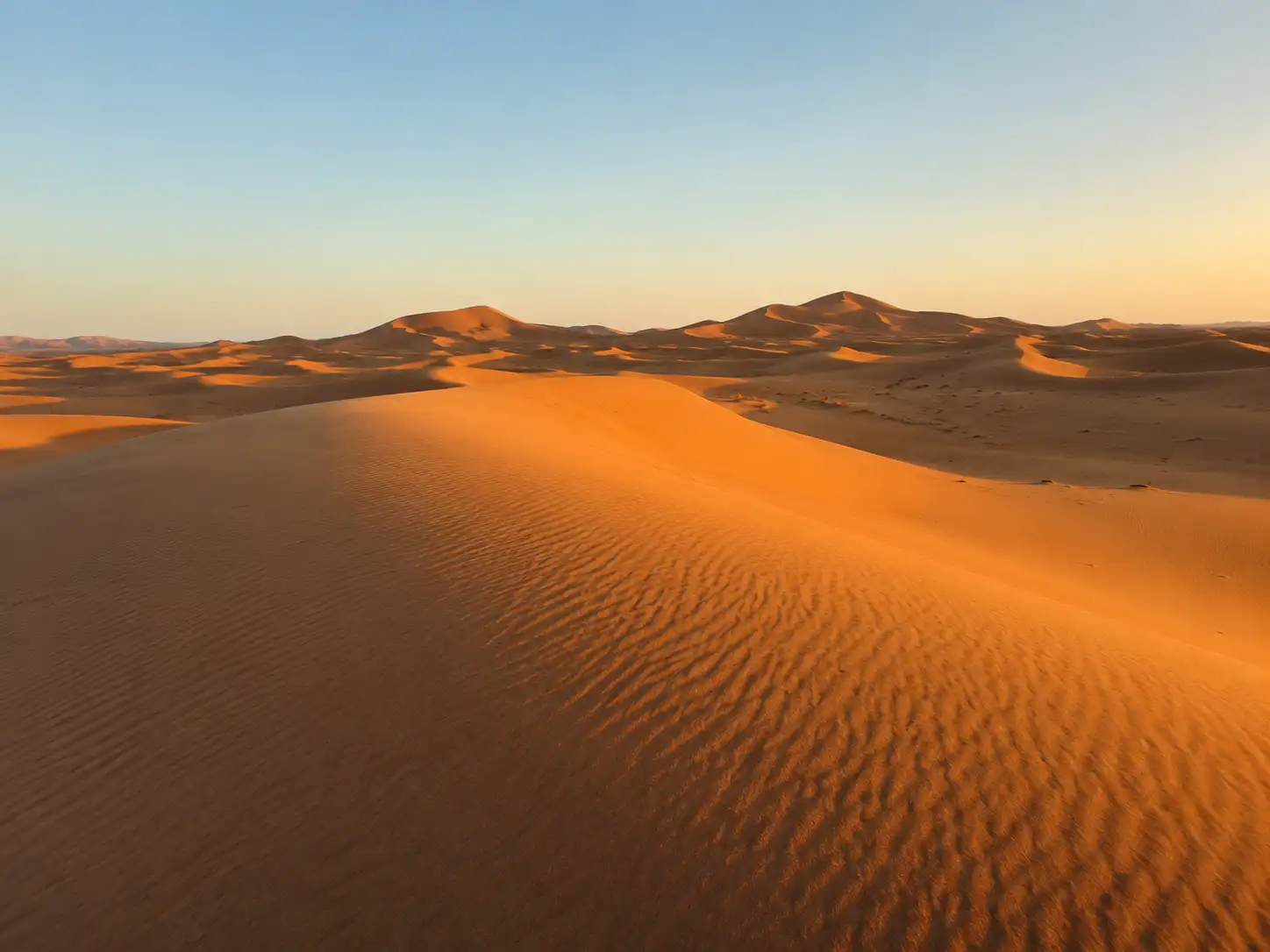
The Sahara Desert experiences extreme temperature swings, with hot daytime sun giving way to freezing night winds. Pack lightweight, breathable cotton clothing for daytime walks, but carry a heavy fleece jacket and windbreaker for overnight desert camps.
Respectful Dress in Public Spaces
Morocco is a conservative, Muslim-majority country where clothing choices carry cultural weight. Dress modestly by keeping your shoulders and knees covered when walking through public markets and historic neighborhoods. Carrying a lightweight scarf allows you to adapt to local expectations quickly when visiting active religious monuments.