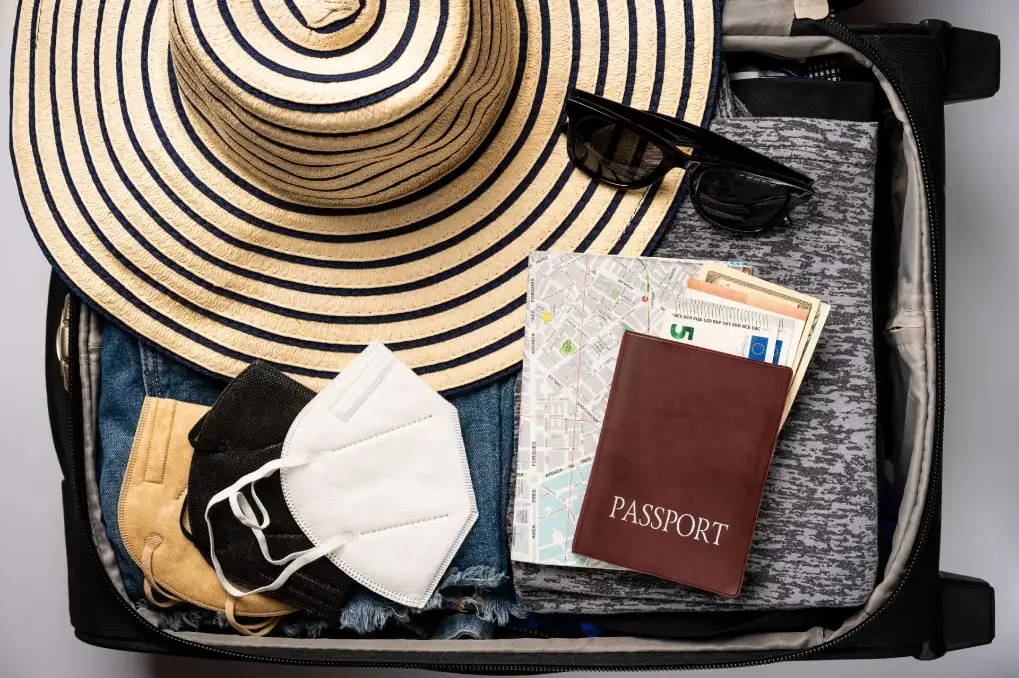
Preparing for your first journey abroad is an exciting milestone, but navigating foreign entry requirements, currency logistics, and international packing rules can quickly feel overwhelming. Missing a single passport validity rule or forgetting to notify your bank can turn a dream vacation into a stressful ordeal.
Having a structured first international trip checklist ensures that every critical detail from border compliance to tech prep is taken care of long before you step onto the airplane. This comprehensive guide breaks down essential things to do before traveling internationally so you can board your flight with total confidence.
Phase 1: Essential Documentation and Entry Preparation

The foundation of smooth international travel preparation starts with getting your legal documents in order. Immigration rules are strict, and airlines will deny boarding if your paperwork does not meet exact destination criteria.
Check Passport Validity and Blank Pages
Most countries require your passport to be valid for at least six months beyond your planned departure date. Additionally, many border control authorities require two to four blank passport pages for entry and exit stamps. Check your passport expiration date immediately, and apply for a renewal if you are close to the cutoff window.
Verify Visa Requirements and Pre-Travel Authorizations
Do not assume your citizenship allows entry without pre-approval. Research whether your destination requires a tourist visa, an Electronic Travel Authorization (eTA), or a Digital Visitor Declaration. Certain regions require online applications submitted at least 72 hours before departure.
Make Physical and Digital Document Copies
Store digital scans of your passport information page, visa documents, travel insurance policy, and hotel confirmations in secure cloud storage accessible offline. Leave a set of physical paper copies at home with a trusted family member or friend, and tuck a second printed set into a separate compartment of your luggage away from the originals.
For broader destination planning, explore our complete travel guides to understand specific entry requirements across different regions.
Phase 2: Financial and Money Management
Managing finances overseas requires advance planning to prevent blocked cards, excessive foreign transaction fees, and exchange rate surprises.
Notify Banks and Set Travel Alerts
Unusual foreign transactions can trigger automated fraud protection algorithms, locking your credit or debit cards instantly. Log in to your banking apps or call customer service to register your travel dates and destination countries before leaving home.
Obtain No-Foreign-Transaction-Fee Cards
Standard credit cards often charge a 3% fee on every overseas transaction. Carry at least two cards that explicitly waive foreign transaction fees, ideally one Visa and one Mastercard, as acceptance varies by country.
Secure Local Cash in Advance or Upon Arrival
While digital payments are widespread globally, small vendors, rural transportation, and tipping often require local currency. Avoid expensive airport currency exchange kiosks. Instead, use a local fee-free ATM upon arrival at your destination to withdraw cash at true market rates.
Before booking your getaway, check out our guide on affordable luxury travel destinations in Europe for practical ways to stretch your travel budget.
Phase 3: Health, Safety, and Connectivity
Staying connected and covered for health emergencies gives you peace of mind while exploring unfamiliar destinations.
- Purchase Comprehensive Travel Insurance: Do not rely solely on standard domestic health policies.
Verify that your policy covers emergency medical evacuation, trip cancellation, flight delays, and lost baggage. Domestic health insurance rarely covers overseas medical care.
- Arrange International Mobile Data: Set up connectivity before landing.
Contact your mobile provider to activate an international day pass, or purchase an e-SIM online to enjoy instant local data access the moment your flight lands.
- Pack Essential Medications: Keep all prescriptions in original labeled containers.
Pack all necessary prescription medications in your carry-on bag with copies of original doctor notes. Ensure your medications are legally permitted in your destination country.
If you are preparing for your very first journey abroad, visit our dedicated travel tips section for advice on transit preparation and packing strategy.
Phase 4: Final Countdown Packing Checklist

When packing for international flights, smart organization prevents luggage hassles and terminal stress.
- Universal Power Adapter: Different regions use distinct plug types and voltage standards. Bring a universal surge-protected adapter with built-in USB ports.
- Carry-On Essentials Kit: Keep your passport, primary payment cards, prescription meds, a change of clothes, phone chargers, and valuable electronics in your personal item bag in case your checked luggage is delayed.
- Offline Maps and Translation Apps: Download Google Maps regions and Google Translate language packs for offline use before departing so you can navigate without active cellular data.
- Comfort and Layering: International long-haul flights can be chilly. Wear breathable layers, bring compression socks, and carry a fillable water bottle to stay hydrated through security checkpoints.
Frequently Asked Questions
How far in advance should I start preparing for my first international trip?
Start at least three to six months in advance. This provides enough buffer time to renew passports, apply for necessary visas, schedule recommended vaccinations, and lock in optimal flight rates.
Is travel insurance really necessary for international trips?
Yes. International hospital visits, emergency transport, and unexpected trip cancellations can cost thousands out-of-pocket. Travel insurance provides vital financial protection against unforeseen disruptions.
Should I exchange currency before leaving or when I arrive?
Exchanging currency at home banks or airport kiosks often comes with poor exchange rates and high service fees. Utilizing an official bank ATM at your destination airport typically yields the best exchange rate.
Ready to Take Flight?
Preparing for your first international journey comes down to methodically checking off essential logistical steps so you can focus entirely on enjoying the experience. By managing your documentation, finances, health coverage, and connectivity well in advance, you set the stage for an unforgettable adventure.
Explore more destination guides and practical itineraries on Dream Travel Clips to start planning your next journey today.