Volcanic rock peaks rise 6,000 feet straight out of the Atlantic Ocean, forming the dramatic island of Madeira. This autonomous Portuguese archipelago sits closer to the coast of North Africa than to Europe, creating a unique subtropical environment defined by massive sea cliffs and ancient laurel forests. Travelers often underestimate the sheer topography of the main island, assuming a quick weekend drive covers the sights.
Realistic vacation planning requires two full weeks to manage the steep mountain passes, changing weather patterns, and extensive walking tracks. Utilizing a structured Madeira travel guide ensures you allocate enough time to explore both the rocky coastlines and the high-altitude volcanic ridges safely.
Week One: Base in Funchal and the Sunny South Coast
The capital city of Funchal serves as an ideal logistical anchor for your first seven days. Most international flights land at the Cristiano Ronaldo International Airport, located just twenty minutes east of the city center. Staying in Funchal gives you immediate access to central rental car hubs, public transit networks, and regional supply stores before you head into the remote northern territories.
1. Historic Funchal Walks and the Monte Toboggan
The old quarter of the capital preserves cobblestone lanes lined with historic basalt-stone architecture dating back to the fifteenth century. Visitors can ride the local cable car up to the hillside suburb of Monte to tour the expansive municipal gardens. Descending the steep hill involves riding in a traditional wicker toboggan sled guided by two local drivers who use rubber-soled boots as brakes on the asphalt streets.
2. Cabo Girão Skywalk
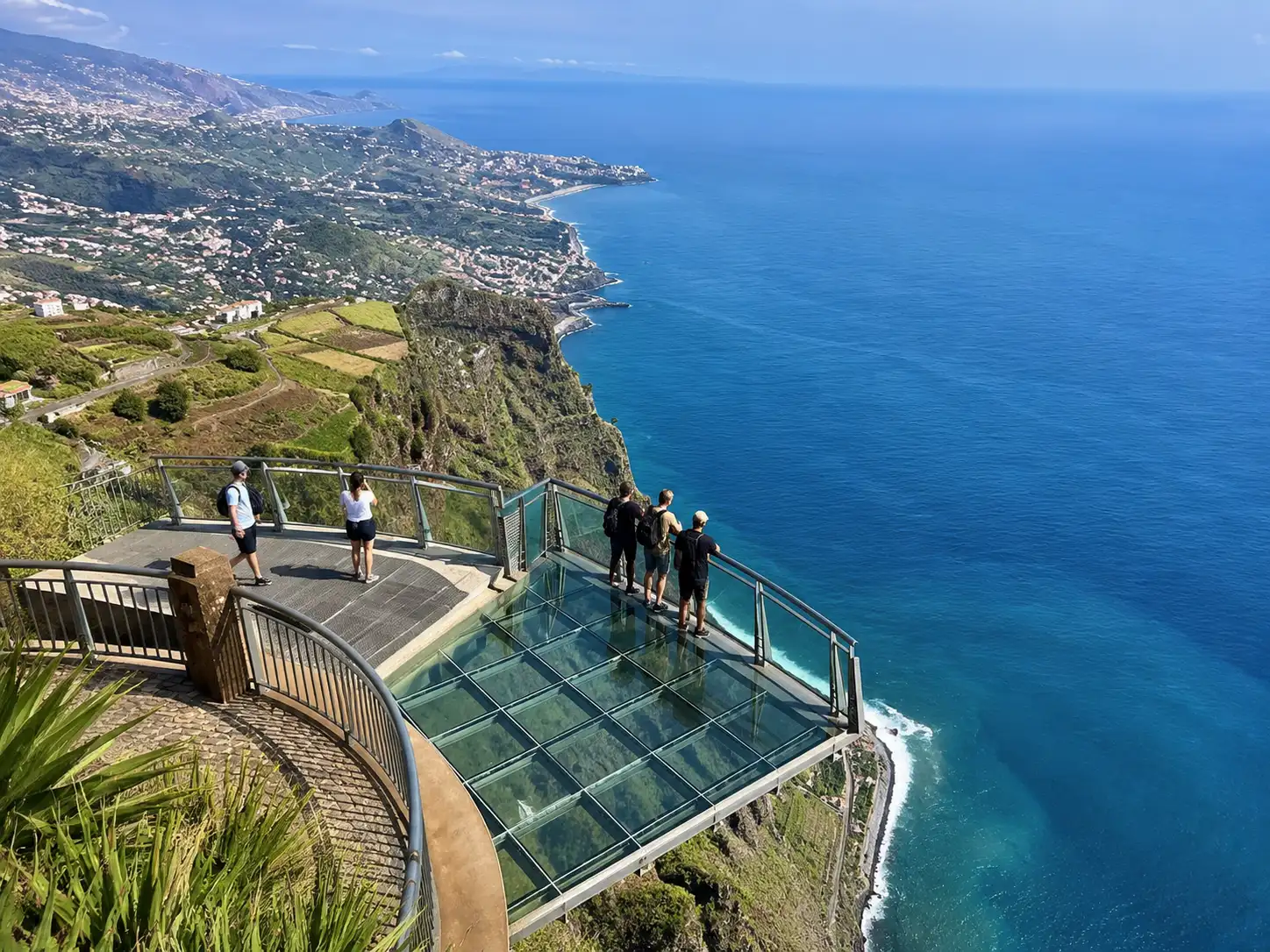
One of the highest cliff viewpoints in Europe sits just a short drive west of Funchal. The Cabo Girão skywalk features a heavy glass-bottomed platform suspended 1,900 feet above the crashing ocean waves below. Looking straight down reveals tiny terraced farming plots tucked at the absolute base of the vertical cliff face, where local farmers still manage crops by hand.
3. Ponta do Sol Coastal Villages
The south coast enjoys the most consistent sunshine on the island, making Ponta do Sol a prime location for afternoon coastal walking. The historic village center sits squeezed inside a narrow rock ravine that opens directly onto a pebble beach. Drivers can track the old coastal road to see the Cascata dos Anjos, a natural waterfall that pours directly onto the asphalt surface of the historic highway.
4. Vereda dos Balcões Trail
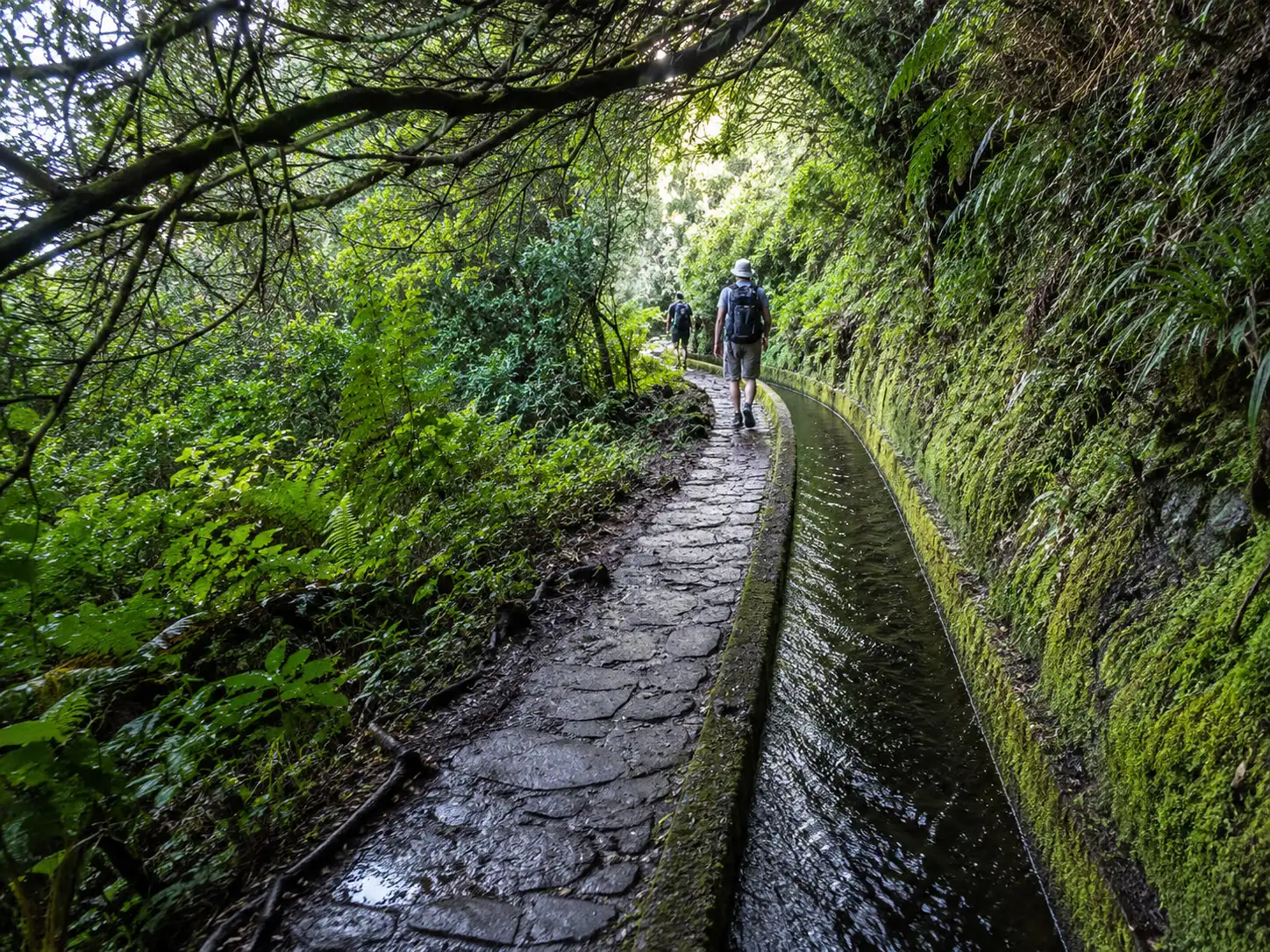
This short, flat introductory walk tracks an old water canal through the Ribeiro Frio valley. The path is lined with native mahogany and laurel trees, leading directly to a sheer cliff balcony. Standing at the viewpoint provides a clear, high-altitude view of the central mountain amphitheater, including the jagged peaks of Pico do Arieiro and Pico Ruivo.
Week Two: The Wild North and West Coast Road Trip
The second half of your itinerary demands a shift toward the rugged, wind-exposed sectors of the island. A comprehensive Madeira travel guide for a road trip must emphasize that the northern coast experiences heavier rainfall and more intense ocean swells than the south. Renting a vehicle with a manual or automatic transmission that handles steep, twenty percent road grades is an absolute necessity for this leg of the journey.
5. Porto Moniz Volcanic Pools
The northwestern tip of the island features natural swimming pools formed by ancient basaltic lava flows cooling against the Atlantic surf. The local municipality has added concrete walkways and steps around the black rock formations to create safe saltwater swimming zones. Heavy ocean waves crash continuously over the outer rock walls, filling the pools with fresh seawater throughout the day.
6. Posto Florestal do Fanal
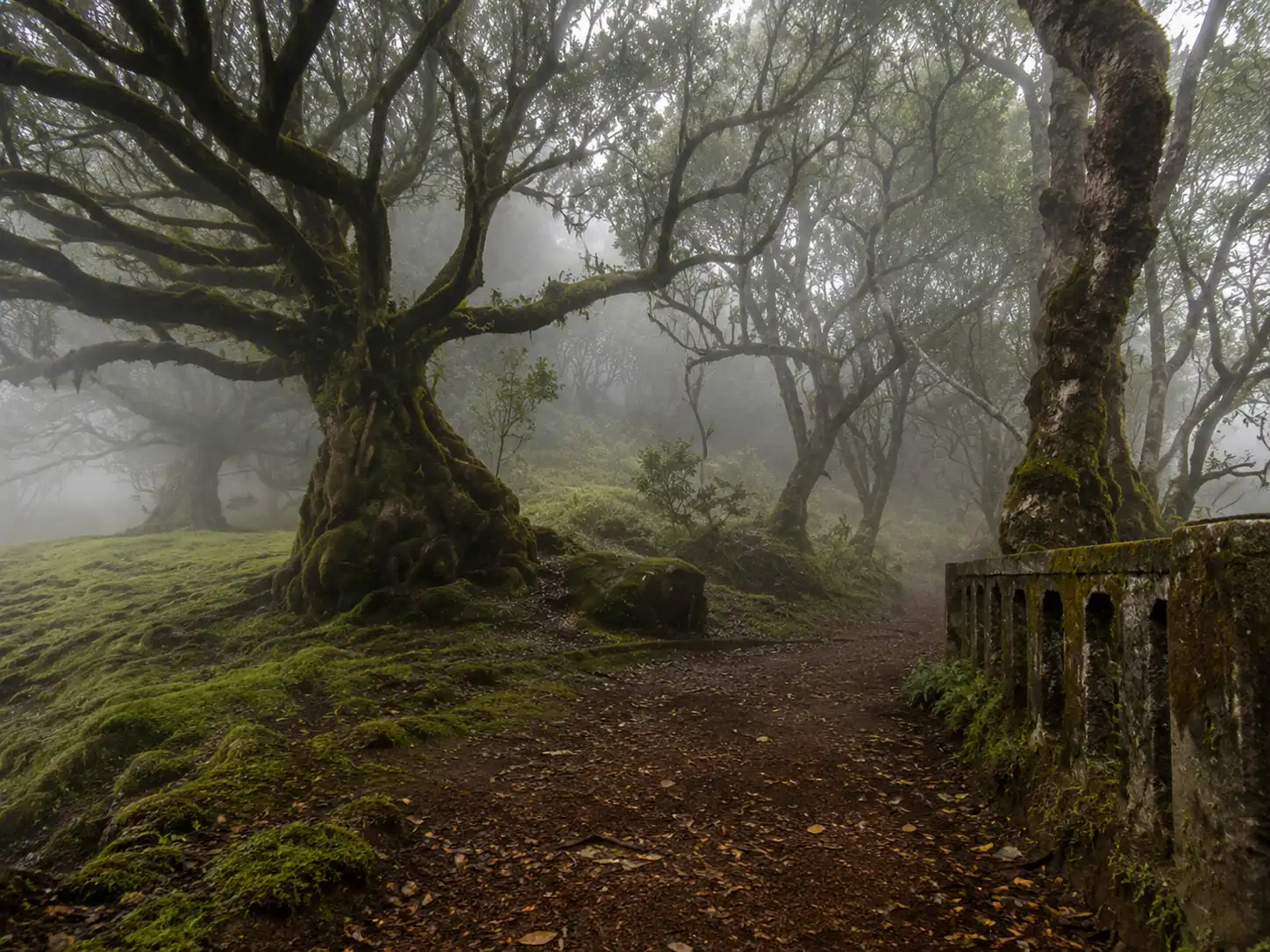
High-altitude plateau lands hold the ancient Fanal forest, home to centenarian laurel trees that date back before the discovery of the island. This specific zone is frequently trapped inside a thick, moving mountain fog, creating an eerie atmospheric environment. Walking among the twisted, moss-covered tree trunks gives hikers a direct look at the prehistoric vegetation that once covered Southern Europe.
7. Vereda do Larano Cliff Edge Track
This advanced coastal hiking trail links the northeastern towns of Machico and Porto da Cruz along an old vineyard path. The route cuts directly across the face of a sheer sea cliff, exposing walkers to heavy sea breezes and expansive views of the dark blue waters below. The physical challenge requires a steady head for heights, as the path narrows significantly over gravel drops with basic cable guardrails.
8. Achadas da Cruz Cable Car
When you plan a trip to Madeira, don’t forget to book this famous cable car. The westernmost cliffs host one of the steepest cable car systems in the world, dropping visitors down a near-vertical 1,400-foot rock wall. The ride terminates at a completely isolated coastal flat where locals tend remote organic gardens. The lack of road access means the tiny agricultural settlement remains silent, providing a stark contrast to the busy resort zones near the capital.
Important Safety Rules for Levada Walks
The island relies on a historic network of narrow stone irrigation channels called levadas to transport water from the rainy north to the dry south. Hundreds of miles of hiking trails run directly parallel to these water canals, providing footpaths through remote valley systems.
9. Headlamps and Tunnel Safety
Many levada routes, such as the Levada das 25 Fontes, cut directly through solid mountain walls via long, unlit rock tunnels. Hikers must pack a high-output headlamp and a waterproof jacket to navigate these subterranean passages safely. The tunnel floors stay continuously wet and muddy, with low rock ceilings that require careful crouching.
10. Understanding Rapid Weather Swings
Mountain microclimates mean sunny skies in Funchal can give way to torrential downpours and thick fog at the trailheads within a thirty-minute drive. Checking real-time mountain webcams via the NetMadeira platform allows you to preview trail conditions before you commit to a drive. Packing layered clothing, a windproof shell, and sturdy hiking boots ensures that you plan a trip to Madeira that is both safe and efficient.