Logistical planning for a European journey often stalls when faced with too many choices. Spain remains a massive global travel powerhouse, drawing millions of international arrivals to its Mediterranean coastlines and historic urban centers.
Trying to see the entire country in a single week leads to burnout, spent hours inside transit stations, and a superficial view of regional cultures. Successful itineraries rely on mapping out realistic timelines, analyzing transportation costs, and matching your personal travel style to specific geographic zones.
Establishing Realistic Timelines and Geographic Focus
Regional identities vary wildly across the Iberian Peninsula, meaning a trip to the southern plains looks and feels completely different from an excursion along the northern coast. Trying to string together too many distant points on a short calendar is the fastest way to ruin a vacation. Travelers must match their total days on the ground to a realistic geographic radius.
Seven Days or Less: The Two-City Anchor
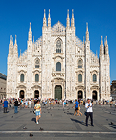
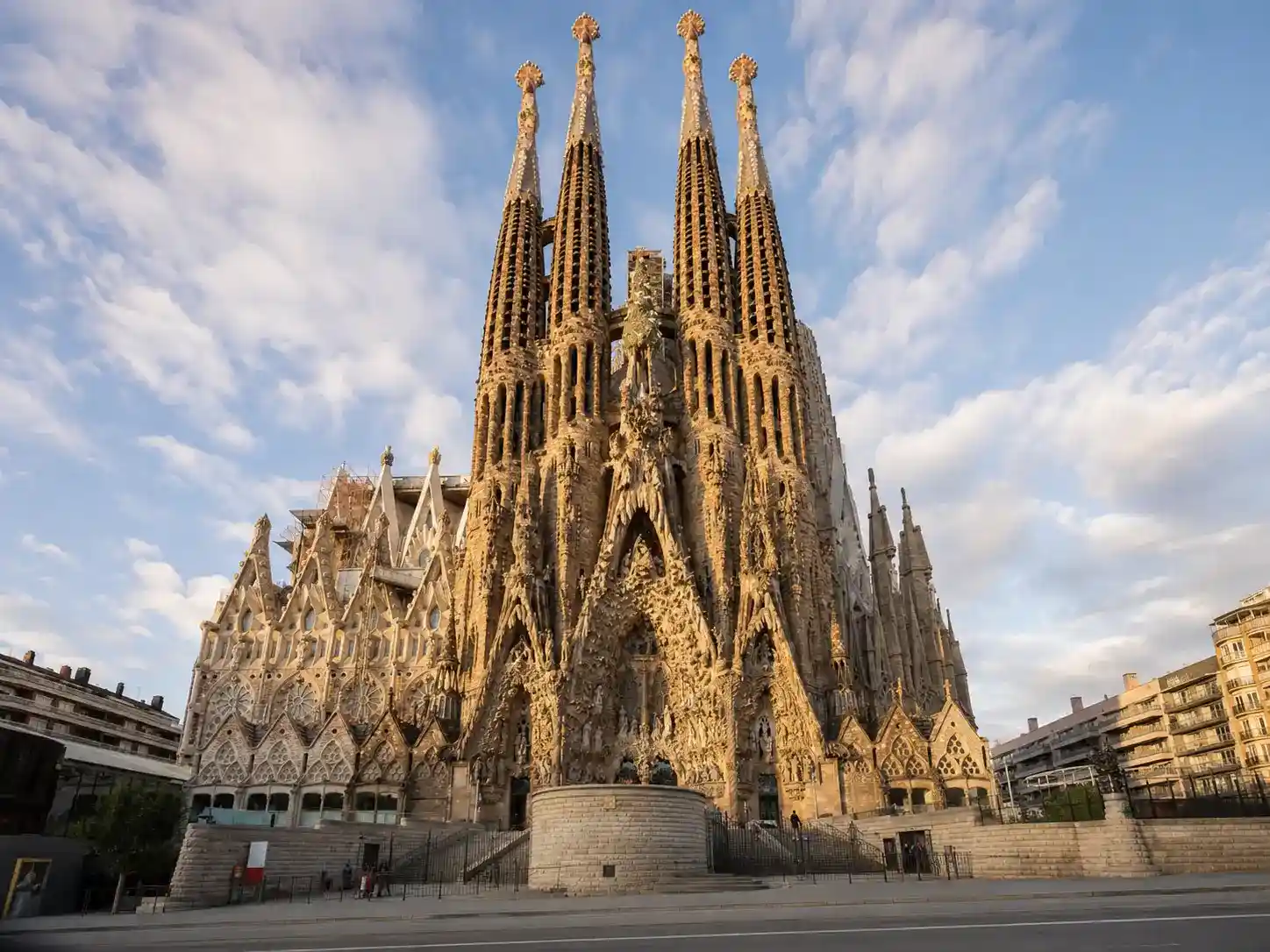
Short calendars require strict boundaries to avoid wasting entire days checking in and out of hotels. Sticking to a direct transit corridor between Madrid and Barcelona allows you to maximize your actual sightseeing hours. You can spend three days exploring the major art institutions of the capital city before catching a train to the coast to view the early twentieth-century architecture of Catalonia.
Ten to Fourteen Days: The Regional Deep Dive
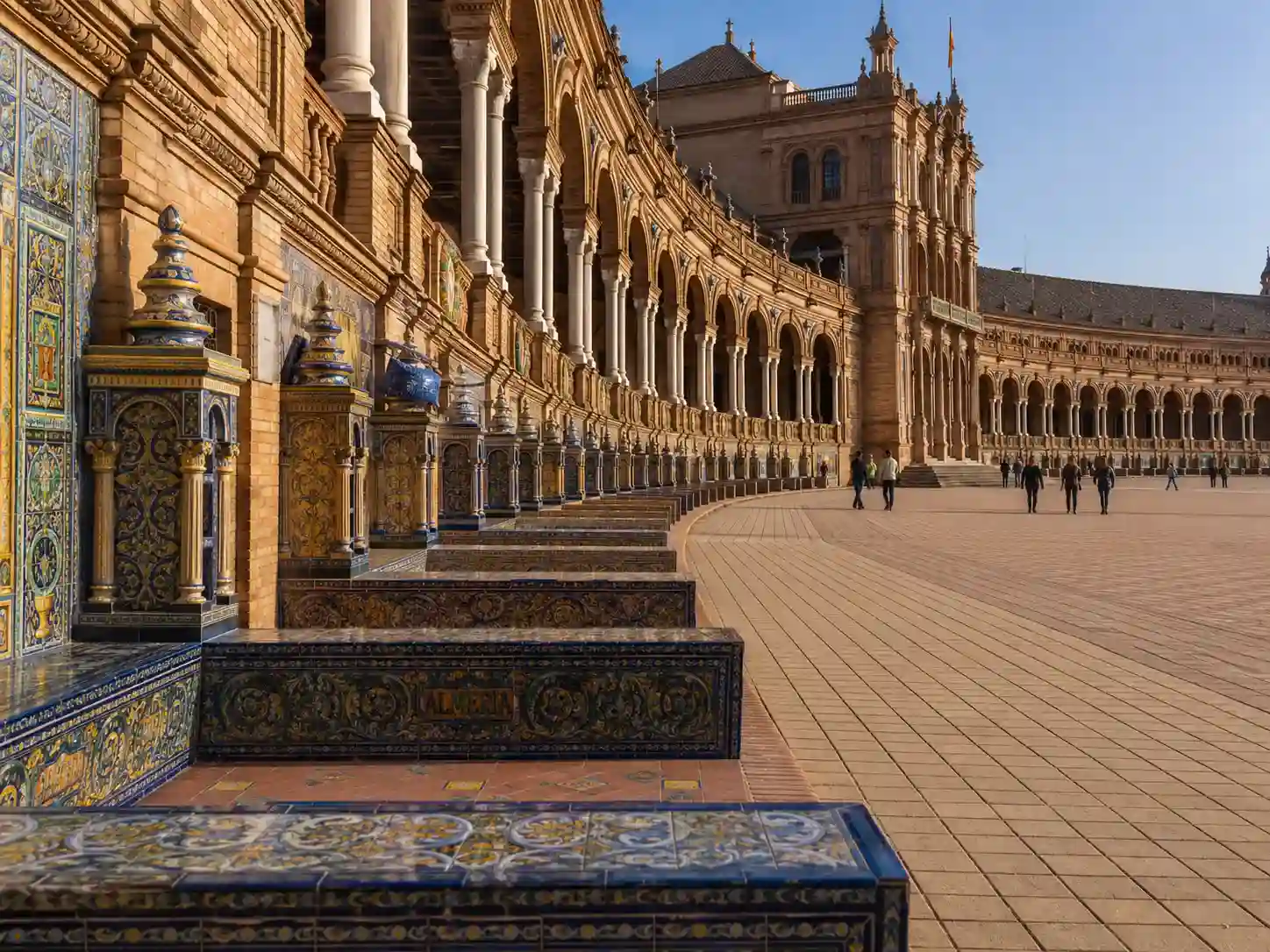
Two full weeks open up the possibi lity of expanding your route into a distinct geographic block. You can head south into Andalusia to track the Moorish architectural history of Seville, Córdoba, and Granada. Alternative routes can lead north into the Basque Country and Galicia, where the terrain shifts toward rugged green cliffs, stone fishing villages, and Atlantic seafood culinary hubs.
Budget Strategies and Navigating the Rail Revolution

Travel costs across the country have shifted due to major changes in domestic transportation infrastructure and municipal tourism policies. Accommodation rates and tourist fees continue to climb in high-density areas like Barcelona and Madrid. Managing your cash flow means knowing where to spend on premium access and where to take advantage of local corporate competition.
Utilizing the High-Speed Rail Price War
Moving between major cities has become significantly cheaper due to the deregulation of the Spanish rail network. Three competing train operators now run services on the same tracks, driving down average ticket prices across major corridors by over fifty percent. Booking seats thirty to sixty days in advance on low-cost operators like Avlo, Ouigo, or Iryo allows you to secure intercity transit for a fraction of the cost of a domestic flight or car rental.
Strategic Lodging and Shoulder-Season Bookings
Peak summer travel months see massive crowd surges and inflated hotel pricing along the Mediterranean beach resorts. Shifting your travel calendar to the shoulder months of April, May, October, or November drops accommodation costs significantly while offering milder weather for walking. Choosing neighborhoods slightly outside the historic city cores and utilizing the comprehensive local metro systems keeps your nightly lodging expenses manageable without sacrificing daily accessibility.
Match Your Trips to Spain as Per Your Travel Style
Every traveler prioritizes different experiences on the road, whether that means tracking down rare artistic masterpieces, hiking coastal tracks, or exploring regional food markets. Aligning your daily itinerary with your actual habits ensures you do not waste time on overhyped sights that fail to match your personal interests.
Architectural and Historical Purists
History enthusiasts should anchor their stays around planned trips in Spain showing locations that preserve layered cultural architecture. The southern city of Granada houses the Alhambra, a massive fourteenth-century Moorish palace complex that requires booking entry passes months in advance due to strict daily capacity limits. In contrast, Segovia and Toledo offer immediate day-trip access from Madrid, featuring intact Roman aqueducts and medieval stone fortresses that sit perched above deep river gorges.
Culinary and Slow-Paced Travelers
Food-focused itineraries thrive when you move away from the international tourist menus of the major southern plazas. San Sebastián, located on the northern Bay of Biscay, operates as a global culinary capital famous for its specialized pintxo bars and dense concentration of Michelin-starred dining rooms.
Travelers looking for a slower daily rhythm can explore the interior villages of La Rioja or Extremadura, where old family-run olive groves and historic vineyards dictate the local pace of life.
Coastal and Outdoor Enthusiasts
Beach travelers looking for raw coastal landscapes on their trips to Spain should bypass the congested hotel strips of the Costa del Sol. The Cabo de Gata-Níjar Natural Park in southeastern Andalusia preserves wild, volcanic cliff lines, hidden desert coves, and clear marine waters that remain protected from heavy commercial resort development.
Active travelers can pair these coastal excursions with hiking sections of the historic Camino de Santiago, tracking routes across the northern provinces.