There are few places on earth that seem more timeless than Kyoto. Roam along the streets of this ancient city, and chances are you will come across a geiko in her hurry towards another assignment, an ancient Buddhist temple with its incense-filled air, and the serene bamboo forest that looks like it is holding its breath. If you are looking for what to do in Kyoto, Japan, then this guide will be helpful.
A three-day itinerary will enable one to cover all the main sites in Kyoto, such as its ancient shrines, historic geisha districts, gold pavilions, and many other interesting sights. The itinerary below is aimed at enabling travelers to enjoy the best of Kyoto without having to make excessive plans.
A Taste of Kyoto Before You Even Arrive
Not visiting the table during one’s stay in this city means missing out on something very important. Get a taste of Kyoto, and you will be able to find out why many people believe that the city is the culinary capital of Japan. Whether it is the deliciousness of its kaiseki meal or the ceremonial bitterness of its freshly whisked matcha, there is much more to the food culture.
Day 1: Ancient Shrines & Historic Streets
On our first day in Kyoto, we’re going to hit up three of the city’s most famous spots: Fushimi Inari, Kiyomizu-dera, and Gion, Kyoto’s entertainment district.
Fushimi Inari
Fire up your day with a super-early visit to Fushimi Inari Taisha. This place is the poster child for Japan for its mind-blowing thousands of torii gates that snake up a winding mountain path in the woods of Mount Inari. One thing’s for sure, getting here from Kyoto Station is a piece of cake.
The nearest station to Fushimi Inari is JR Inari Station, a 5-minute hop that’s covered by the JR Pass if that’s your thing. Before you take off, grab a coffee or matcha at the excellent Vermillion Café, the perfect spot to get your morning.
Now, take your time meandering up the mountain trails. They’re a real treat, with stunning views and loads of photo ops galore. As you walk, you’ll spot all sorts of tiny shrines and fox statues kitsune, to be precise), and, by the way, foxes are a big deal here because they’re considered the Shinto god Inari’s (rice and prosperity) trusty messengers. The whole loop takes about 2-3 hours, but you can dip out at any time if you get tired or start to feel a bit peckish.
And if you want a really special experience of Fushimi Inari, then I’d recommend this Fushimi Inari Hidden Hiking Tour. It’ll give you a view of this place that you’re unlikely to see anywhere else, and, best of all, it’s dead quiet with hardly any tourists around.
Kiyomizu-dera & Higashiyama District
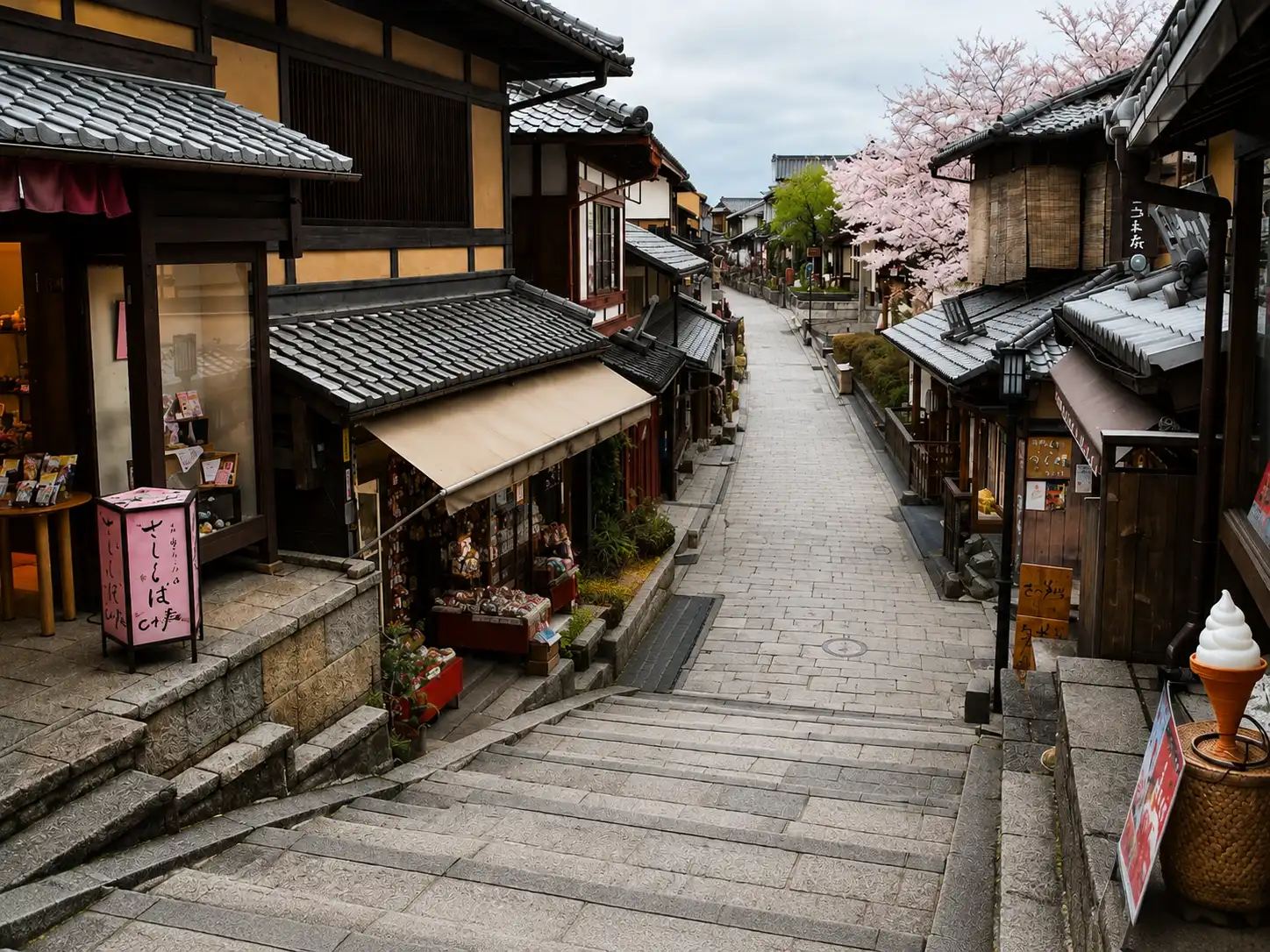
After lunch, proceed to explore more of Kyoto in the Higashiyama District, an area located at the foot of Kyoto’s eastern mountain range and famous for its historical districts with their narrow lanes lined with traditional wooden structures.
However, the top tourist attraction in this part of town is the amazing Kiyomizu-dera temple, a UNESCO World Heritage Site.
Built in 780 AD on the grounds of the Otowa Waterfall, the name of this temple, which means ‘Pure Water Temple ‘, is very appropriate for its location. One of the major highlights of Kiyomizu-dera Temple is its wooden stage, which protrudes from the slope and stands at a height of 43 feet (13 meters). Visitors can get stunning views of the cherry and maple trees below from this stage.
Higashiyama & Gion
Spend your afternoon wandering Higashiyama, the preserved historic district of narrow lanes, wooden machiya houses, and traditional shops selling pottery, sweets, and souvenirs. As evening falls, head into Gion, Kyoto’s most famous geisha district. Stroll along Hanamikoji Street and Shirakawa Canal, where lantern-lit teahouses line the water, and if you’re lucky, you might spot a geiko or maiko on her way to an evening engagement.
Day 2: Nature & Golden Majesty
Get your walking shoes on; today we’re exploring the city’s famous bamboo groves, enjoying a walking trail in the city, and then we’re grabbing some food in the city’s most famous market.
Arashiyama Bamboo Grove
Begin at the Arashiyama Bamboo Grove, one of Kyoto’s most iconic natural wonders. Towering green stalks stretch skyward, filtering sunlight into soft, dappled patterns as the wind creates a gentle rustling sound unique to this forest. Like Fushimi Inari, this spot gets crowded fast, so aim to arrive right at opening time for the most peaceful experience.
Philosopher’s Path and the Silver Pavilion
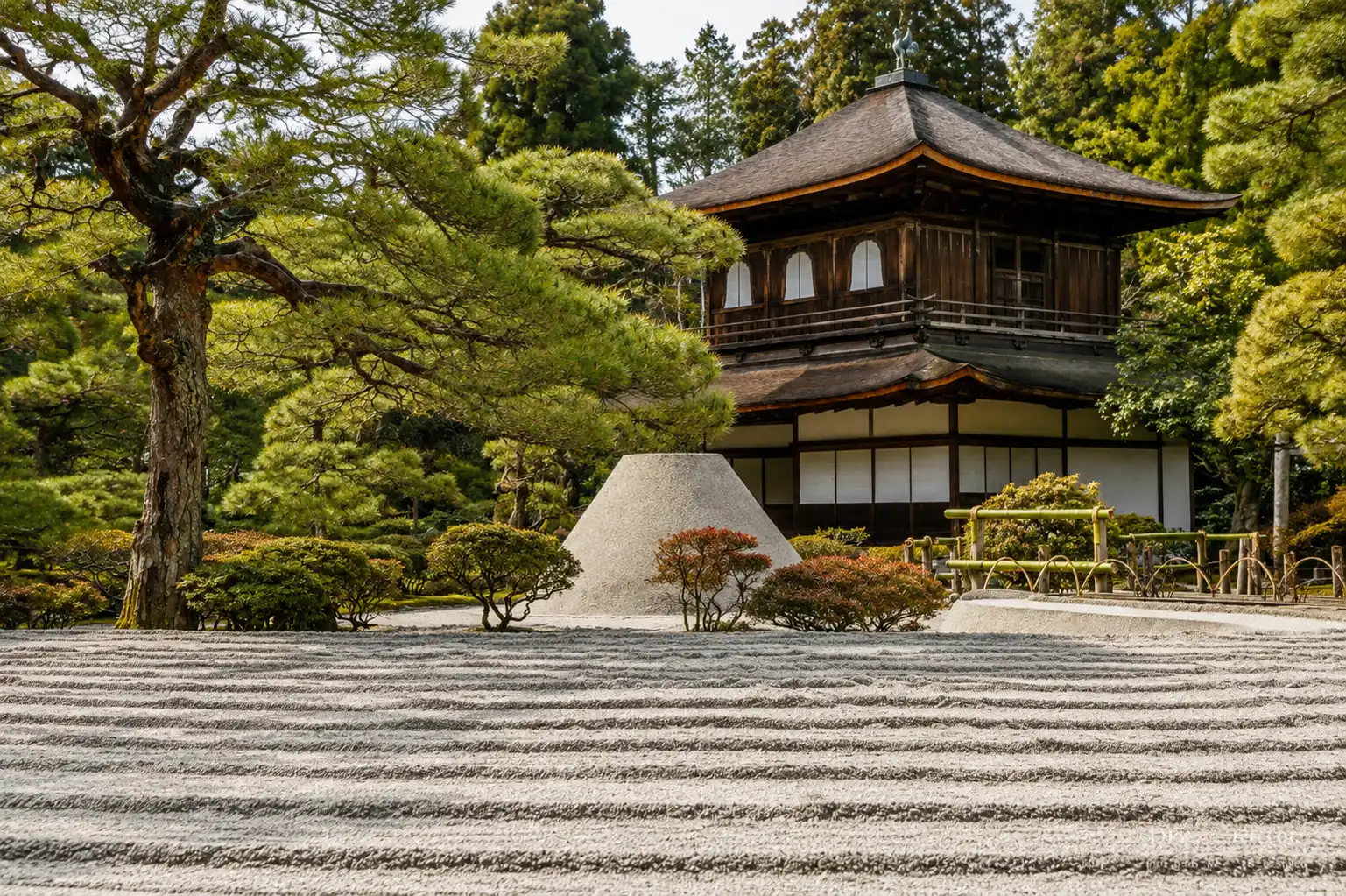
Once fed, make your way right across the city to the Philosopher’s Path, a tranquil pathway along a canal, lined with cherry blossom trees. Start the path at Ginkaku-ji, also known as the Silver Pavilion, a 15th-century temple also home to a beautiful moss garden and a sand garden.
After enjoying the grounds for a little while, continue your journey along the Philosopher’s Path itself, which is just over a mile long (2 kilometers) and passes by brilliant restaurants, cafés, and shops, along with a number of small temples, notably Honen-in. The path concludes in the Nanzenji neighborhood, which is home to the Nanzenji Temple, another temple well worth checking out. A cool part of this temple is the brick aqueduct that passes right through the temple grounds.
Nishiki Market
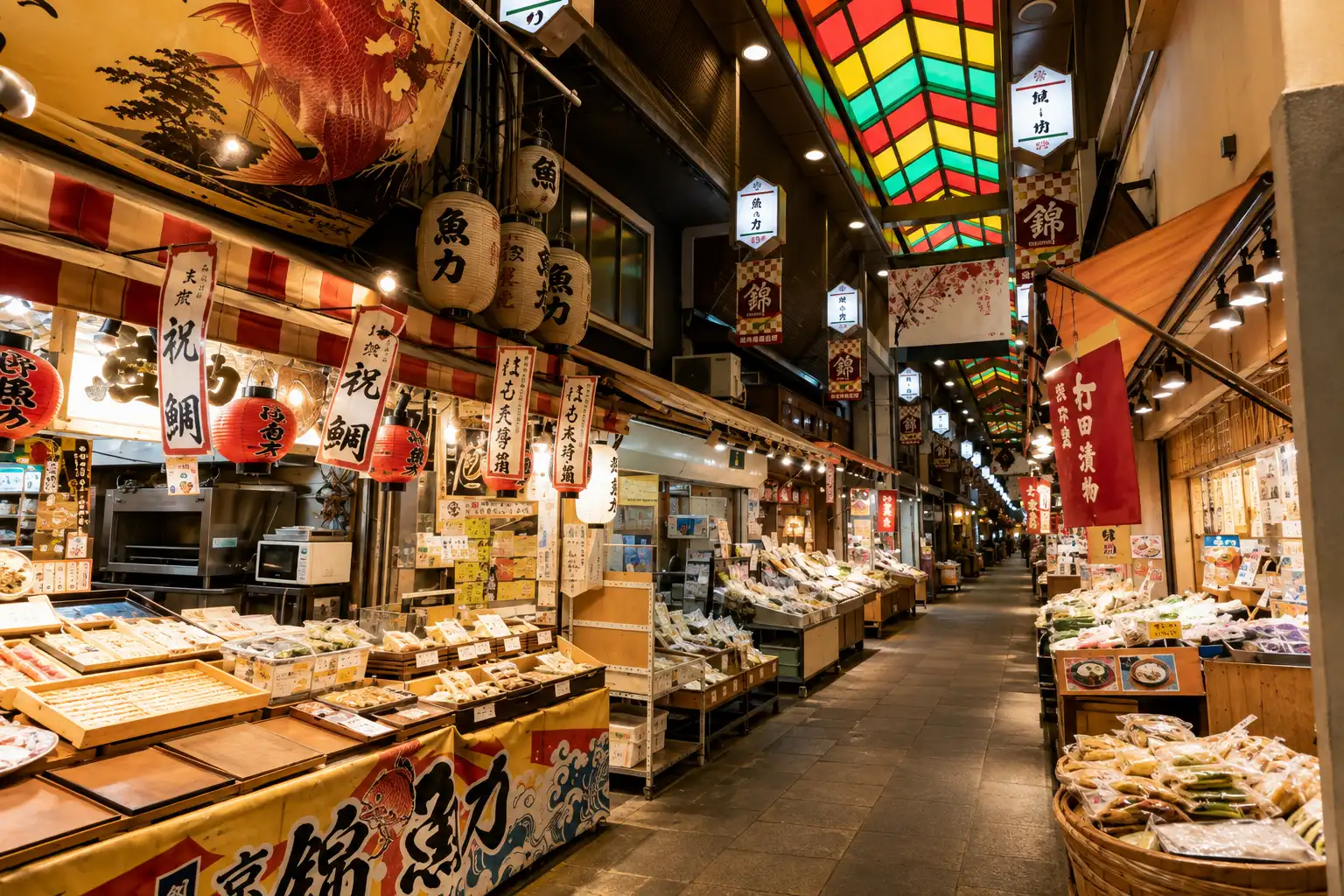
To refuel after a long day, make your way to Nishiki Market, often referred to as ‘Kyoto’s Kitchen.’ This narrow shopping street stretches over five blocks, offering endless amounts of local delicacies and specialties, from fresh seafood to Japanese sweets to high-quality knives and cookware. If you’re feeling adventurous, try tako-tamago, which consists of baby octopus stuffed with a quail egg. This dish is a specialty in food markets in Kyoto and Osaka, so try it for yourself!
Nishiki Market closes at 18:00, so at this point in the evening, you might want to head back to your accommodation and rest, or maybe you’ll want to keep the night going! For more bars and restaurants, head to Pontocho Alley or back to the Gion District, which are around 5 and 10 minutes away, respectively.
Day 3: Imperial Heritage & Hidden Gems
Your final day balances imperial grandeur with quieter, contemplative corners of the city.
Imperial Palace and Nijo Castle
Step deep into Japan’s royal past with an immersive exploration of Nijo Castle and the grand Kyoto Imperial Palace grounds. As you approach Nijo Castle, admire its massive stone moat and striking black-and-gold ornate gates before stepping inside the lavish Ninomaru Palace. As you wander through its grand wooden halls, take in the intricate Edo-period screen paintings and gold leaf art.
Listen carefully with every step: the famous “nightingale floors” (uguisubari) chirp like small birds underfoot, an ingenious ancient security system designed to warn samurai guards against unwanted intruders. Surrounding the palace are meticulous Zen landscape gardens with peaceful ponds, carefully trimmed bonsai pines, and historic stone bridges.
Just a short walk away lies the expansive Kyoto Imperial Park, housing the Kyoto Imperial Palace, the official residence of Japan’s emperors until the capital moved to Tokyo in 1868. Walk through the giant wooden entry gates onto wide gravel pathways shaded by ancient pines, weeping cherries, and maple trees.
While exploring the outer grounds and viewing the majestic classical architecture of the palace buildings, you can sense the quiet dignity and grandeur of Japan’s ancient royal heritage. It is the perfect afternoon stop to soak in authentic history amidst tranquil green surroundings.
Philosopher’s Path
Then, leisurely take a walk on the Philosopher’s Path (Tetsugaku-no-michi), which is a peaceful, tree-lined stone pathway that runs alongside a calm canal in eastern Kyoto. The pathway is named after Nishida Kitaro, a Kyoto University philosopher, who used to walk it every day to meditate. It is one of the most peaceful walking paths in Kyoto and is surrounded by hundreds of cherry blossom trees, craft shops, temples, and traditional cafes.
Ginkaku-ji (The Silver Pavilion)
At the northern end of the pathway stands Ginkaku-ji, or the Silver Pavilion, which was built as a mountain retreat for a shogun and was supposed to be coated in silver, but was left as bare wood, giving the building its unique rustic elegance. Its moss gardens and carefully groomed fsj-urxt ocean garden (Ginshadan) make it very different from the bright, gaudy gold leaf of Kinkaku-ji.
Planning Your Unforgettable Kyoto Journey
Combining centuries of preserved history with incredible natural scenery and unforgettable regional food, three days in Kyoto offer a rich look into the heart of Japanese culture.
By balancing early morning visits to world-famous sites like Fushimi Inari with peaceful strolls through historic neighborhoods, you will experience the magic of the ancient capital at a comfortable pace.
Pack your walking shoes, bring your appetite, and get ready to create lifelong memories in one of the world’s most captivating cities.