Giza remains the permanent starting point for almost every international itinerary in Egypt. This massive metropolis holds over twenty million residents, creating a dense urban landscape where ancient stone structures sit right across the highway from modern residential blocks. Finding the absolute best things to do in Cairo requires moving past the basic postcard images and looking at the specific physical sites that define the region.
Travelers can maximize their city schedule by focusing on major archaeological expansions, historic medieval corridors, and deep burial complexes that lie just outside the central urban grid.
Explore the Monuments at the Giza Plateau
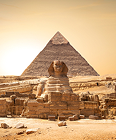
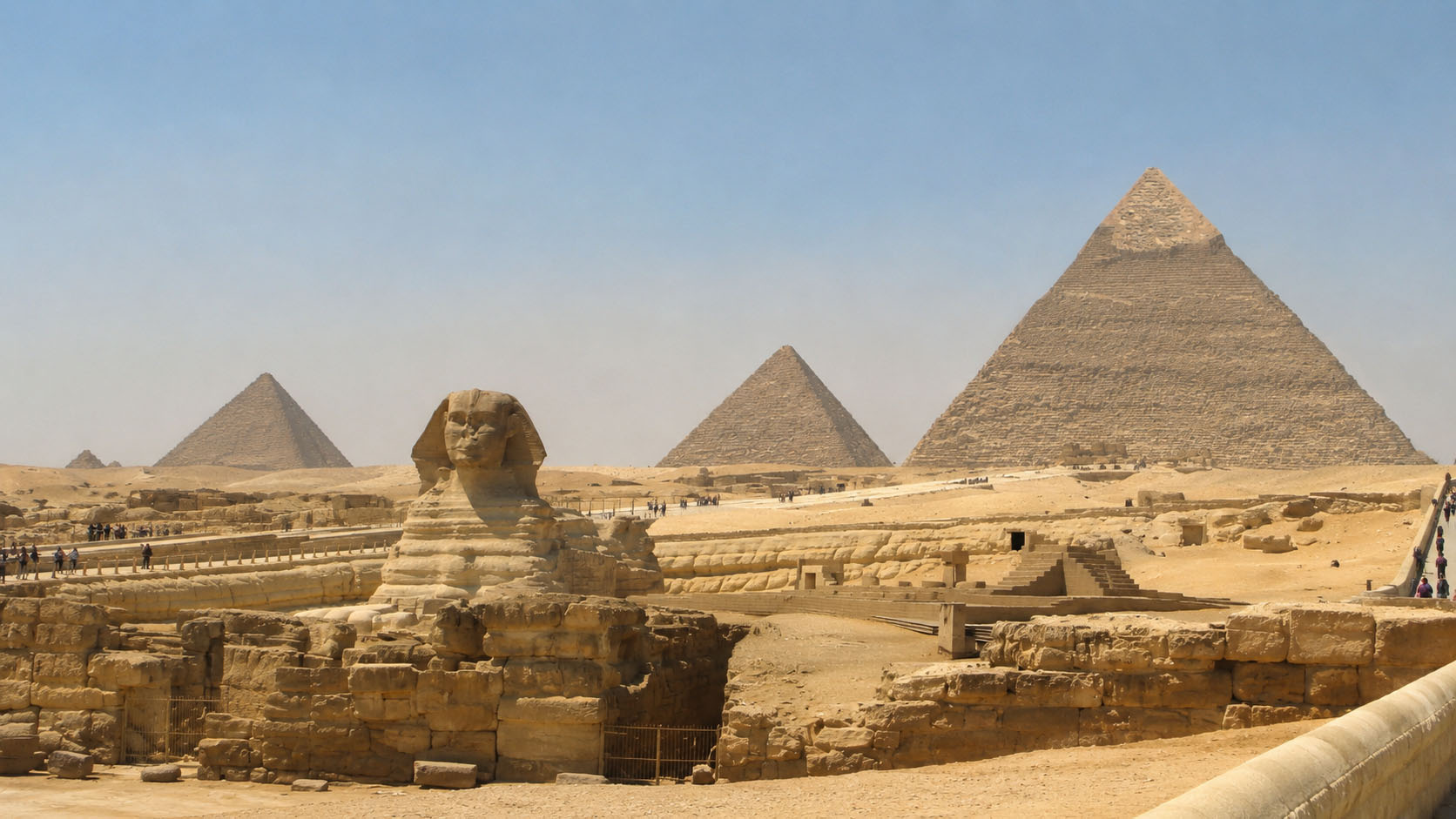
The primary site for tracking major Cairo attractions sits on the western desert plateau. The Great Pyramid of Khufu remains the last standing wonder of the ancient world, constructed from over two million individual limestone blocks that reach nearly 480 feet into the sky. One of the things every visitor must do is to walk the gravel perimeter of the three primary royal pyramids, observing how the scale of the masonry completely changes when you stand directly at the base of the stone courses.
Ticket options allow travelers to enter the interior chambers of the pyramids through narrow, steep wooden ramps that lead deep into the central burial vaults. Right below the main pyramid structures, the Great Sphinx sits carved directly out of a single limestone ridge, measuring 240 feet from paw to tail.
The entire plateau has recently undergone major logistical infrastructure upgrades, introducing smooth paved walkways, centralized ticketing entry bays, and a network of silent electric buses that transport visitors between the monuments every few minutes to eliminate the chaotic street scrambles of the past.
Walk Through the Grand Egyptian Museum
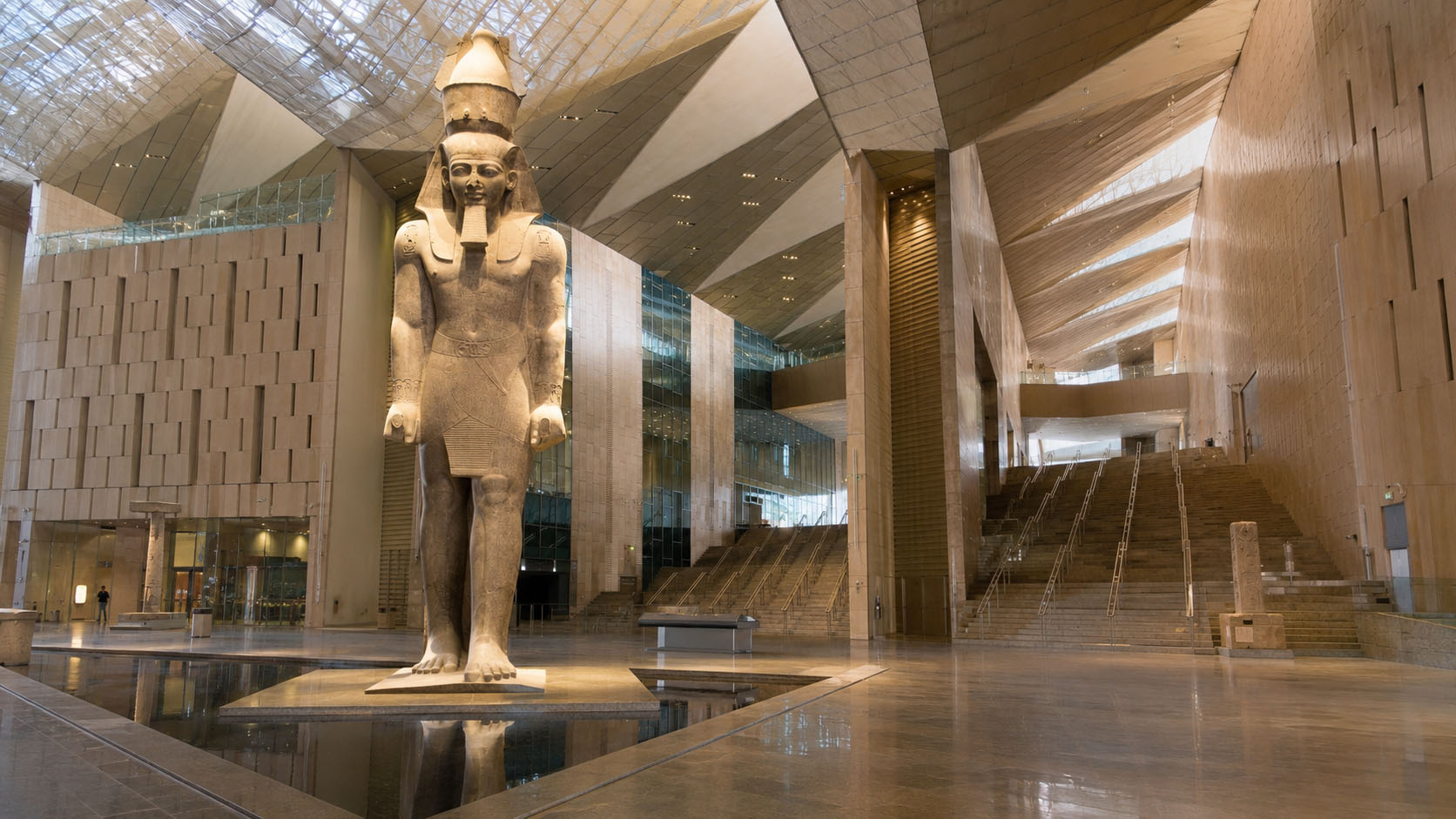
The cultural landscape of the city changed permanently with the opening of the Grand Egyptian Museum, situated just two kilometers down the road from the pyramids. Spanning more than five hundred thousand square meters, this facility stands as the largest museum facility on earth dedicated to a single ancient civilization.
Interior galleries move completely away from the packed, unlit display cases of the nineteenth-century exhibition spaces, using advanced environmental controls, large glass viewing frames, and clear historical data panels instead.
The museum is also known for housing the complete, intact artifact collection of King Tutankhamun, displaying over five thousand individual pieces, including his solid gold burial masks, heavy chariots, ceremonial beds, and personal jewelry.
Architectural design features massive floor-to-ceiling glass walls that frame the Giza pyramids in the background, allowing visitors to view the recovered physical treasures while looking directly at the desert plateau where the ancient rulers built their tombs.
Track the History of Fustat at the National Museum of Egyptian Civilization
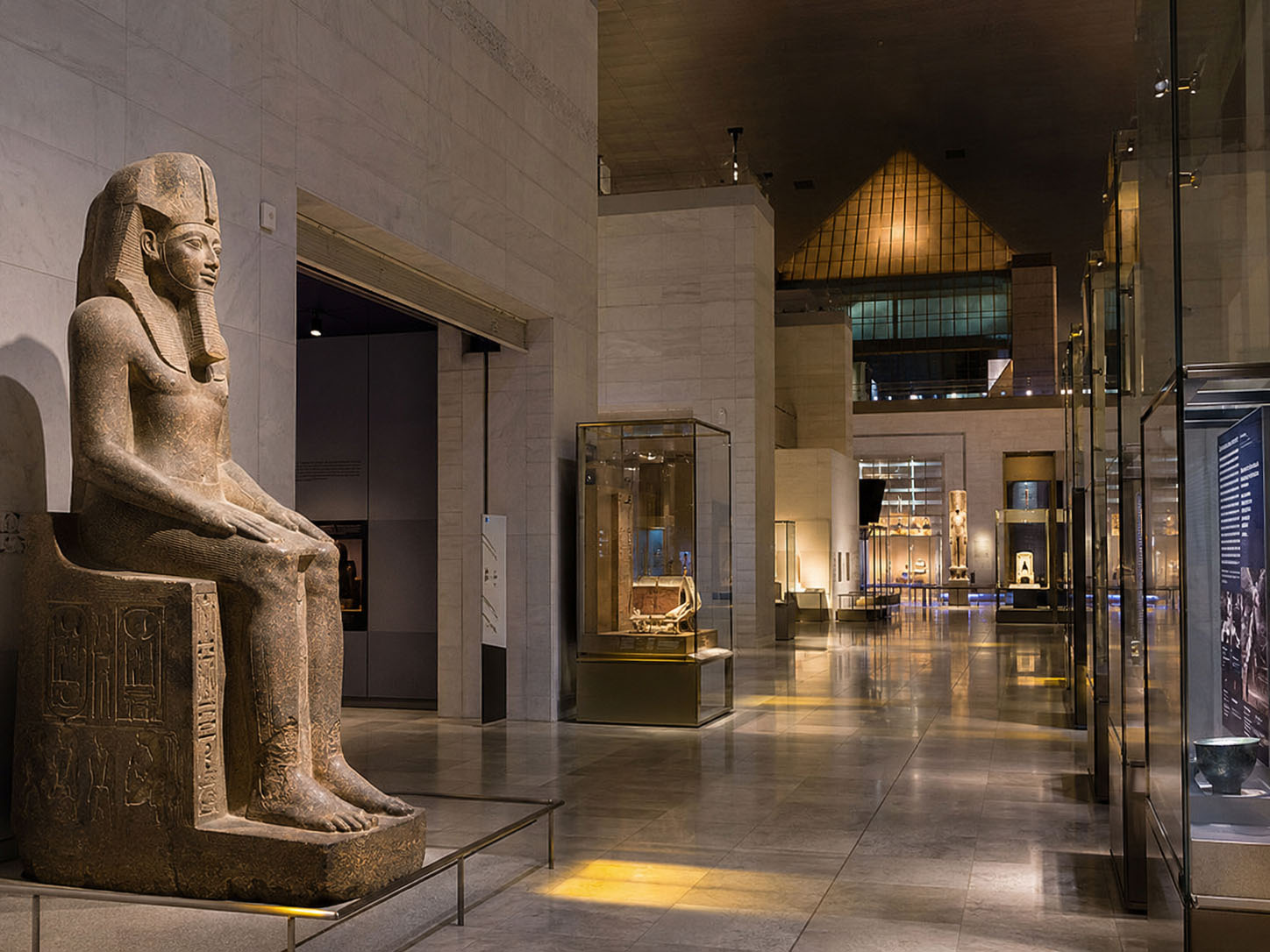
The National Museum of Egyptian Civilization, located in the historic Fustat district, offers a chronological look at the region from prehistoric eras through the modern day. The central focus for most visitors sits inside the Royal Mummies Hall, a specially designed subterranean gallery that replicates the environmental conditions of the original Valley of the Kings tombs in Luxor.
The gallery holds twenty-two royal mummies, including Ramesses II and Queen Hatshepsut, displayed inside specialized climate-controlled glass capsules filled with inert nitrogen gas. The layout separates the royal remains into individual chambers paired with their original sarcophagi, personal histories, and detailed CT scan data that explains their physical health and causes of death.
Hike Through the Medieval Gates of Islamic Cairo
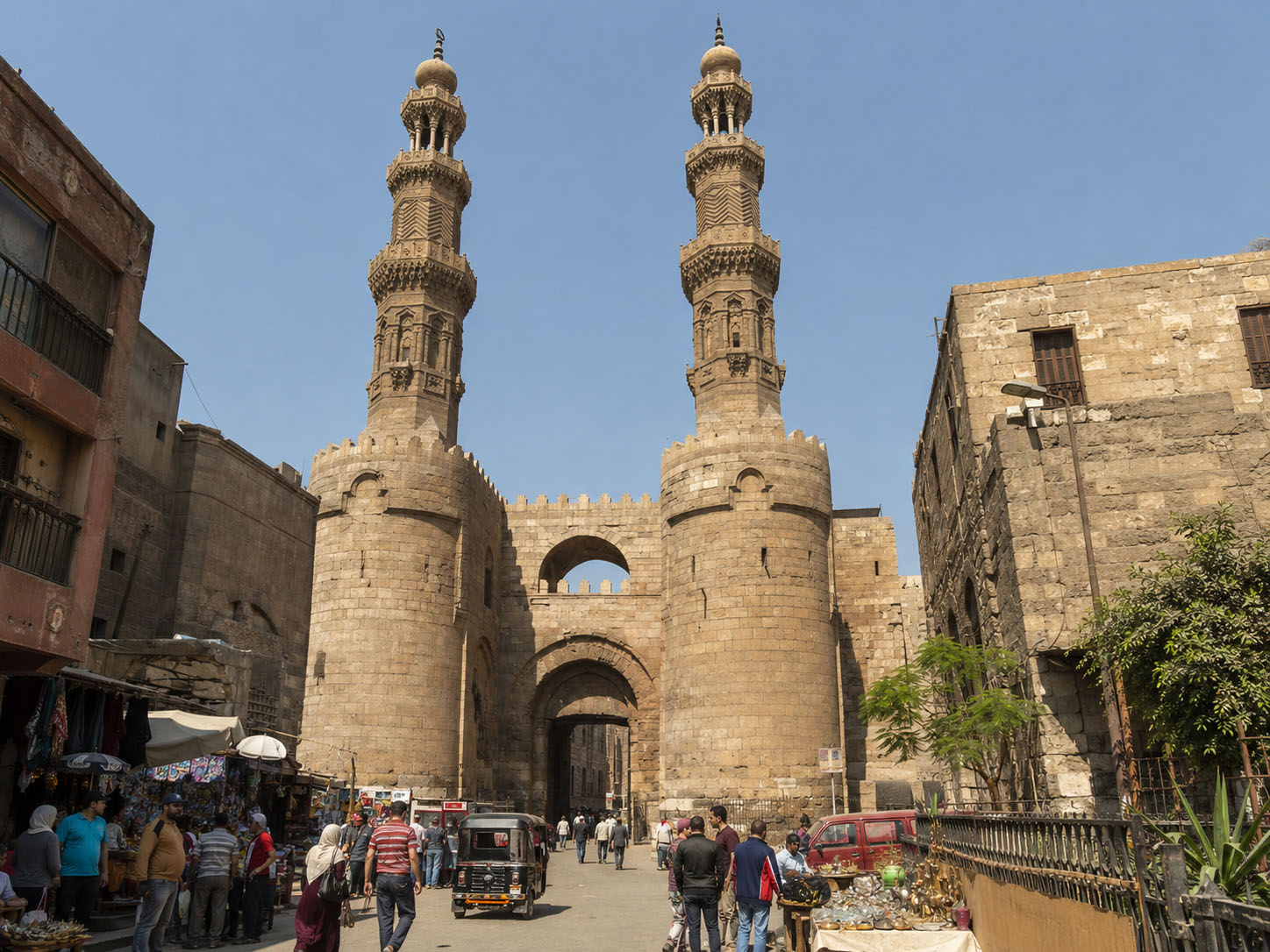
The historic core of the city preserves layers of medieval architecture that function as an active, working municipal sector rather than a static outdoor museum. Walking through the stone archways of Bab al-Zuwayla puts you directly on El Moez Street, a one-kilometer pedestrian corridor that contains the highest concentration of medieval Islamic architecture in the world.
Street also features the complex Sultan Qalawun monument, which combines a historic hospital, a school, and a massive mausoleum built in the late thirteenth century. Right down the path, the sprawling Khan el-Khalili market operates as a central trading hub where regional merchants stack brass lamps, hand-hammered copper plates, loose spices, and heavy textiles along the narrow sidewalks.
One of the things to do in Cairo is climbing to the top of the stone minarets at the gates to view the dense skyline of the old city, watching the daily commercial life move through alleys that have served as trading routes since the Fatimid era.
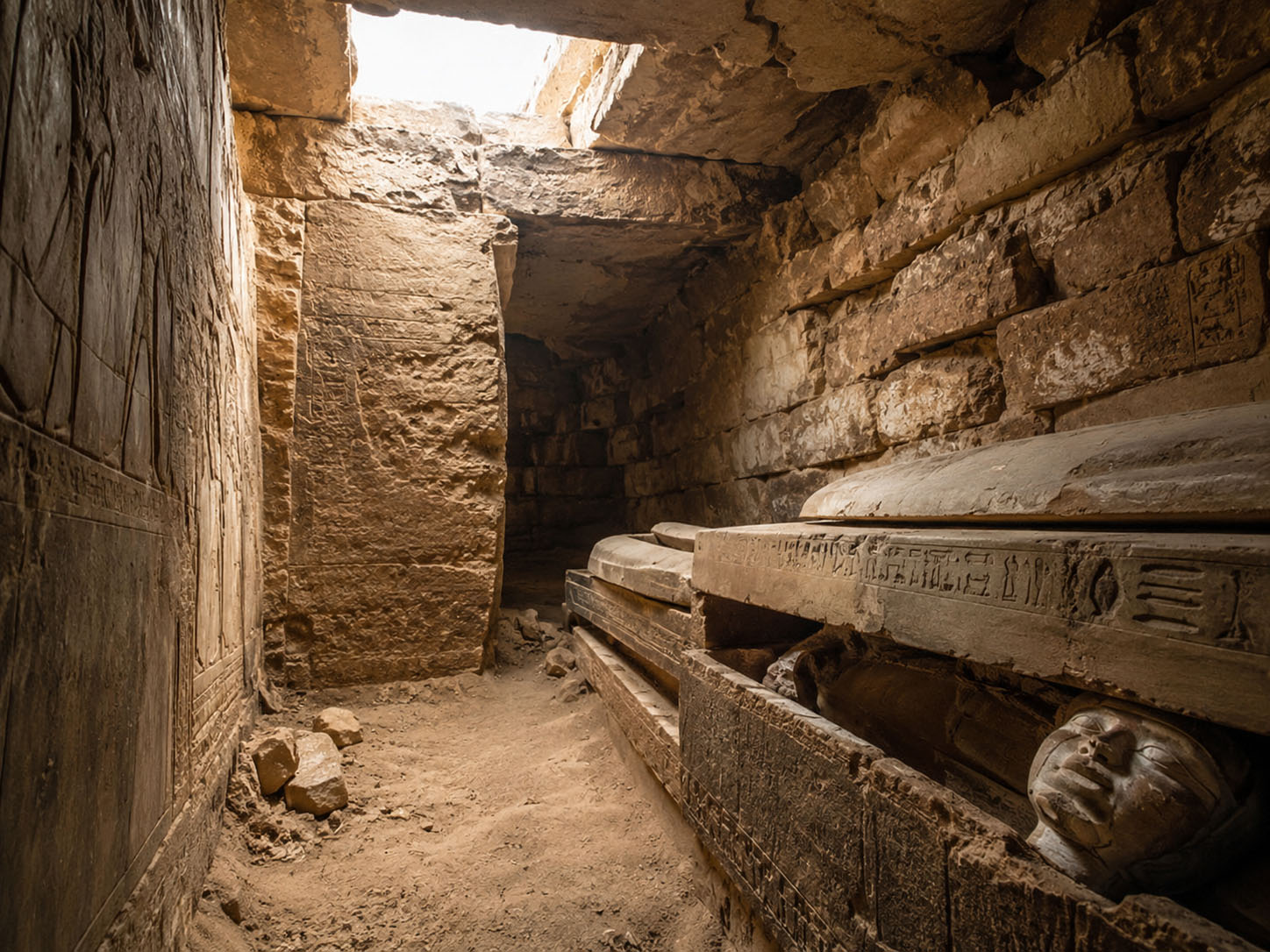
Descend into the Shafts at the Saqqara Necropolis
The archaeological story of the region expands significantly if you drive thirty minutes south of the main city limits to the desert fields of Saqqara. This site served as the primary burial ground for the ancient capital of Memphis, containing the Step Pyramid of Djoser, which represents the oldest large-scale stone building project in human history.
Ongoing excavations make Saqqara one of the most active Cairo tourist attractions, with researchers regularly uncovering intact burial shafts, painted wooden coffins, and mummification workshops beneath the desert sand. Travelers can enter the Pyramid of Unas to view the oldest known pyramid texts, which are detailed religious spells carved directly into the solid white alabaster walls.
Exploring these older desert sites provides a direct look at the early development of royal engineering and religious practices before the construction of the Giza monuments.