Most cities keep their best things indoors, while Cape Town does the opposite. A massive sandstone mountain cuts straight through the middle of the city, two ocean currents crash into each other along the rocky peninsula edges, and the whole place practically pushes you outside the moment you arrive.
Thousands of international visitors show up each year for Cape Town adventures, including hiking, beach activities, and the kind of physical experiences that are hard to find anywhere else on the planet. On any given afternoon, you can watch paragliders touch down on public lawns while surfers ride the same waves a few hundred yards away.
Vertical Challenges on Table Mountain and Lion’s Head
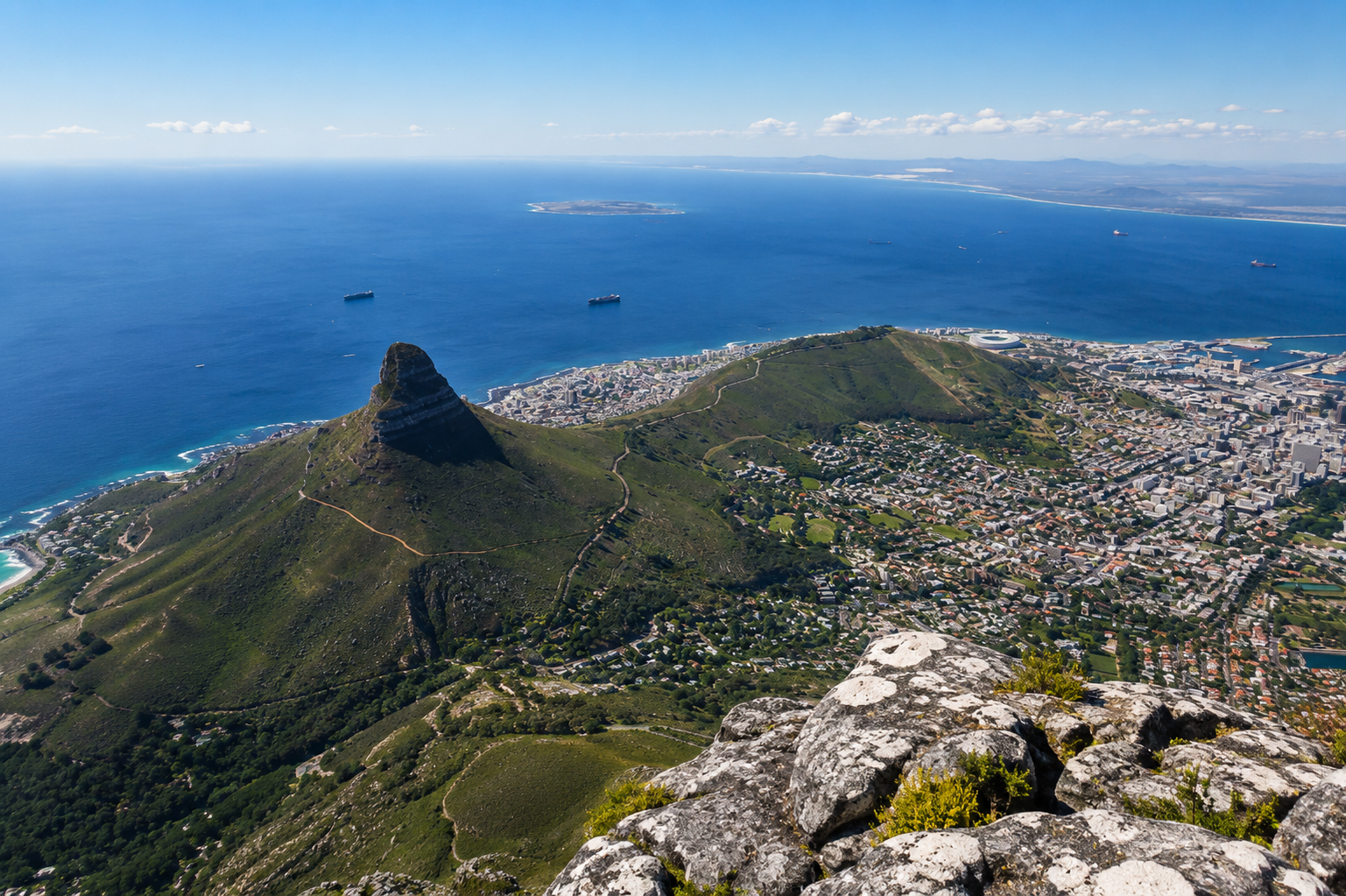
Table Mountain sits right above the city suburbs, which means serious elevation is never far away. Most tourists ride the rotating cableway to the top, and there is nothing wrong with that. The mountain also has steep, technical routes that show you an entirely different side of the local geology. India Venster is one of the best known among experienced hikers, involving real rock scrambling and upper-body work through tight sandstone chimneys directly beneath the cable car wires.
The summit also runs commercial abseiling operations, and this is where things get genuinely exciting. Participants lean backward off a cliff face that sits 3,000 feet above sea level, making it one of the highest guided abseils on earth. The descent puts you hanging over thin air, looking straight down at the white sands of Camps Bay and a wide stretch of the Atlantic. Most people admit afterward that nothing quite prepares you for that first step off the edge.
Lion’s Head sits further along the ridge and draws its own dedicated crowd, particularly during full moon nights. The upper section of the trail has metal ladders and iron chains bolted directly into the rock, which are there because the final ledges are genuinely vertical. The summit is relatively compact, but the panoramic view covers the entire city bowl on one side and the full Atlantic seaboard on the other. The effort-to-reward ratio here is hard to argue with.
Cape Town Adventures: Kayaking and Marine Crossings Along the Atlantic Coast
The Benguela current runs cold along the western side of the peninsula, and that cold water is nutrient-rich and extraordinarily clear. Guided kayaking trips depart from Three Anchor Bay near Sea Point each morning, timed before the southeasterly wind kicks up and chops the surface. Paddlers follow a route parallel to the urban promenade, moving through kelp forests that absorb most of the ocean swell and keep conditions manageable near shore.
Wildlife activity on these trips tends to catch people off guard. Heaviside’s dolphins, a species found only in this part of the world and identified by their grey patterning and energetic jumping, regularly follow the kayaks for stretches at a time. Cape fur seals hunt through the shallow kelp beds and surface next to the boats without any warning. You move further out, and sunfish and migrating southern right whales move through the deeper water channels. A morning paddle here almost always delivers something unexpected.
The Sandstone Slabs of Silvermine and False Bay Tidal Pools
The southern stretch of the Cape Peninsula operates on a different character entirely. Silvermine Nature Reserve occupies the mountain pass above Kalk Bay and has flat sandstone tracks looping around a historic reservoir. The crags here have become a go-to spot for sport climbing, with bolted routes covering a solid range of difficulty levels.
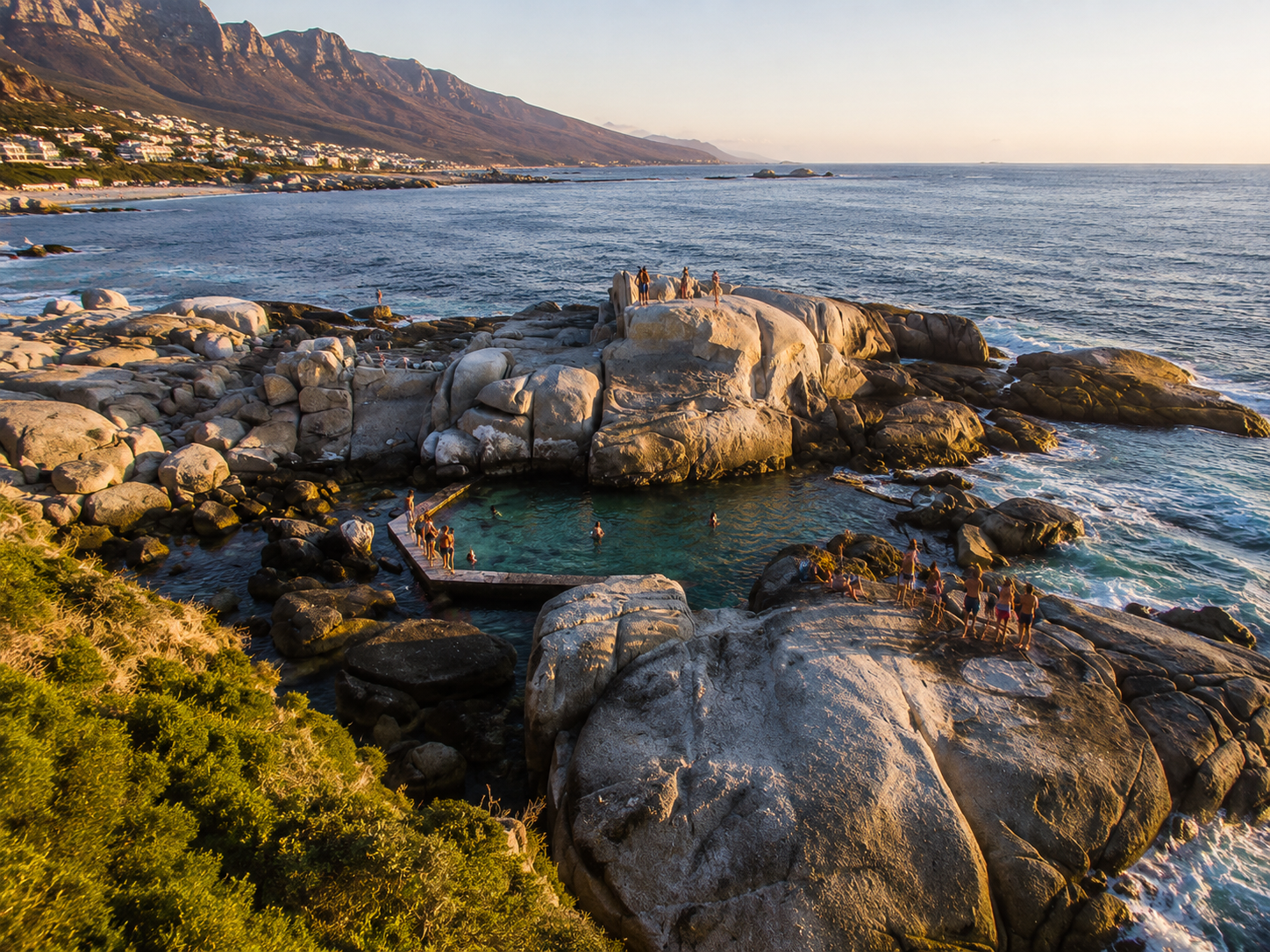
The False Bay coastline at the base of the mountain faces the Indian Ocean and runs noticeably warmer than the Atlantic side. The area is particularly well known for its large concrete tidal pools, which cut out the heaviest surf and protect swimmers from rip currents.
The Dalebrook pool in St. James occupies an unusual spot wedged between the coastal railway line and the open ocean. Sunrise swimmers do their laps here while the water catches the early light and the Hottentots Holland mountains glow orange in the distance.
Coastal Trails and Wildlife at the Edge of the Continent
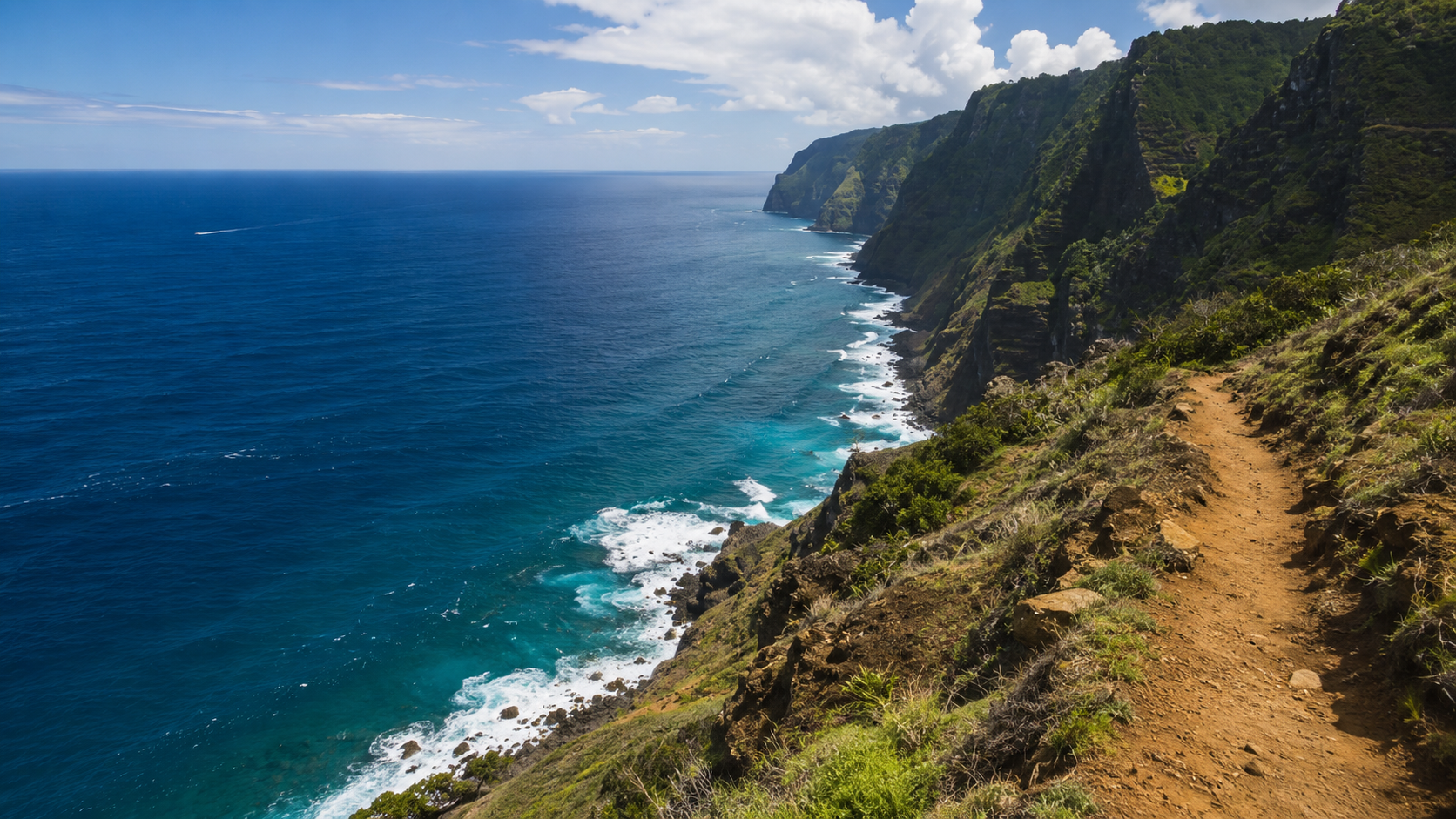
The very tip of the peninsula sits inside the Cape of Good Hope National Reserve, a protected area covering more than 19,000 acres. The Cape Point trail follows clifftops out to the old lighthouse, where the rock drops 800 feet straight into the ocean below. The entire reserve is covered in fynbos, a shrubland ecosystem that grows nowhere else on earth and gives the landscape a texture and colour palette that feels completely its own.
The wildlife here operates on its own schedule and pays little attention to visitors. Chacma baboons work the parking lots and viewpoints with confidence, and they are experienced enough with tourists, making unsecured food disappear quickly. Zebras, bontebok antelopes, and ostriches cross the beach roads and wander onto the white sands of Diaz Beach as a matter of routine.
The raw weather, the exposed cliffs, and the completely unmanaged wildlife are exactly what draw passionate outdoor travelers to Cape Town adventures and keep them talking back about it long after they leave.