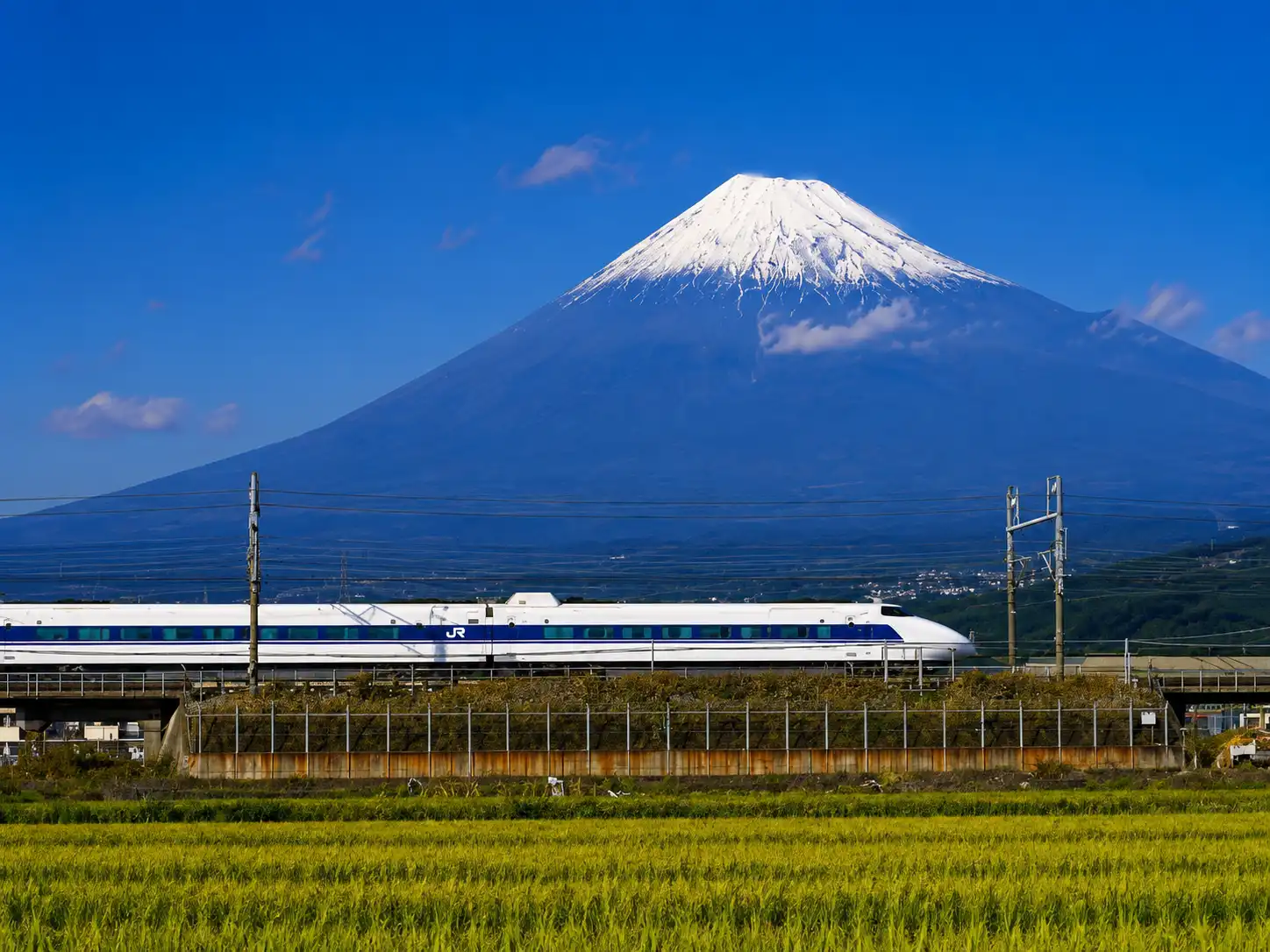
International travel numbers point to Japan as a massive global focal point, with millions of newcomers arriving monthly through major Tokyo and Osaka flight hubs. This dense volume creates an immediate need for practical prep before you clear customs. Travellers who are first time visiting Japan must plan a trip here that requires looking past social media clips and focusing on the concrete operational rules that dictate daily life on the ground.
People who understand the local transportation infrastructure, cellular data systems, and basic public rules can move through the country without friction. Utilizing specific Japan travel advice allows you to build a highly predictable schedule and avoid the typical newcomer bottlenecks.
Secure Digital Entry and Cellular Data links
Arrival procedures run far smoother if you complete your digital documentation prior to boarding your flight. The digital portal system known as Visit Japan Web streamlines immigration and customs by generating electronic QR codes for your mobile device.
You must upload your passport details, declare your personal items, and list your first nightly lodging address on the official site before departure. Border agents scan these digital codes at the arrival kiosks, cutting your physical queuing time down significantly.
Staying online during your journey requires selecting the right digital cellular connection model before you land. Traditional international roaming packages from home carriers often drop connection speeds or cost far too much. Two dependable alternatives dominate the market:
- eSIM Cards: Digital profiles download directly into modern smartphones via email QR codes, providing immediate access to local networks like Docomo or SoftBank the moment your plane touches down.
- Pocket Wi-Fi Routers: Small physical routing units can be picked up directly at major airport counters, allowing multiple laptops and phones to share a single high-speed connection simultaneously.
Master the Train Systems and Transit Cards
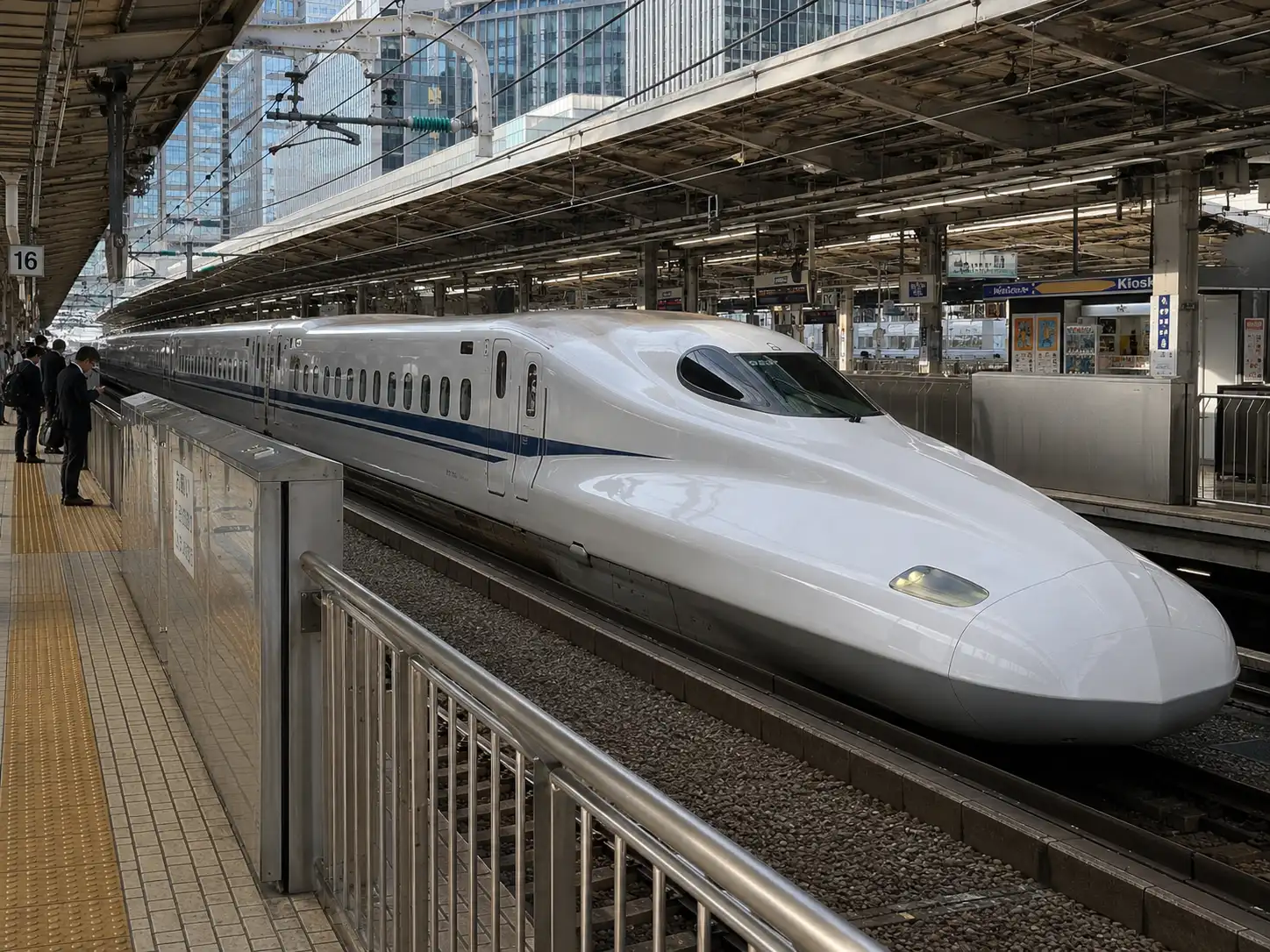
Public transportation systems across the major prefectures are exceptionally punctual, running on timetables measured down to the exact second. Newcomers often overcomplicate their transit by trying to buy individual paper tickets for every short subway hop. Avoid this delay by utilizing a digital contactless transit card on your smartphone.
Apple Wallet and Google Wallet allow users to add digital versions of regional IC cards if they are first time visiting Japan, specifically Suica or Pasmo, directly to their devices. You can load funds instantly using a linked credit card, allowing you to tap past the subway turnstiles with a quick phone swipe. These digital transit cards also work as payment methods at thousands of vending machines, coin lockers, and convenience stores nationwide.
Long-distance travel between distant provinces requires using the Shinkansen bullet train network. A comprehensive Japan travel guide must clarify that the historic multi-week Japan Rail Pass has lost its value for basic routes due to recent heavy price increases.
Buying individual bullet train tickets online through the official SmartEX app is far cheaper for simple routes like Tokyo to Kyoto. This app issues digital tickets directly to your smartphone, letting you bypass the congested ticket window lines at major train stations.
Cash Rules and Atm Accessibility
Card processing systems have expanded across major retail stores, but small family-owned businesses and regional locations still demand physical paper currency. Coin-operated laundry machines, bus fare boxes, temple entry gates, and traditional noodle shops do not accept digital wallets or foreign credit cards. You must maintain a steady supply of physical yen coins and bills in your pocket at all times.
Foreign debit cards do not work at every local bank machine along the street. The most dependable places to withdraw local currency are the automated teller machines located inside convenience stores like 7-Eleven, Lawson, and FamilyMart. These machines operate twenty-four hours a day, provide clear English interface options, and accept standard international banking networks for a flat, predictable processing fee.
You must inform your home bank of your specific travel dates before departure to prevent automated security blocks on your account.
Respect Public Rules and Luggage Logistics
Daily life in high-density Japanese cities follows strict civic protocols that foreigners must observe to avoid causing public disruption. Street trash cans are virtually nonexistent across the country due to historical public safety policies. Residents carry their personal garbage with them throughout the day, sorting it into specific recycling bins back at their hotels or outside convenience stores. Eating or drinking while walking down public sidewalks is considered rude, as is speaking loudly on mobile phones inside train carriages.
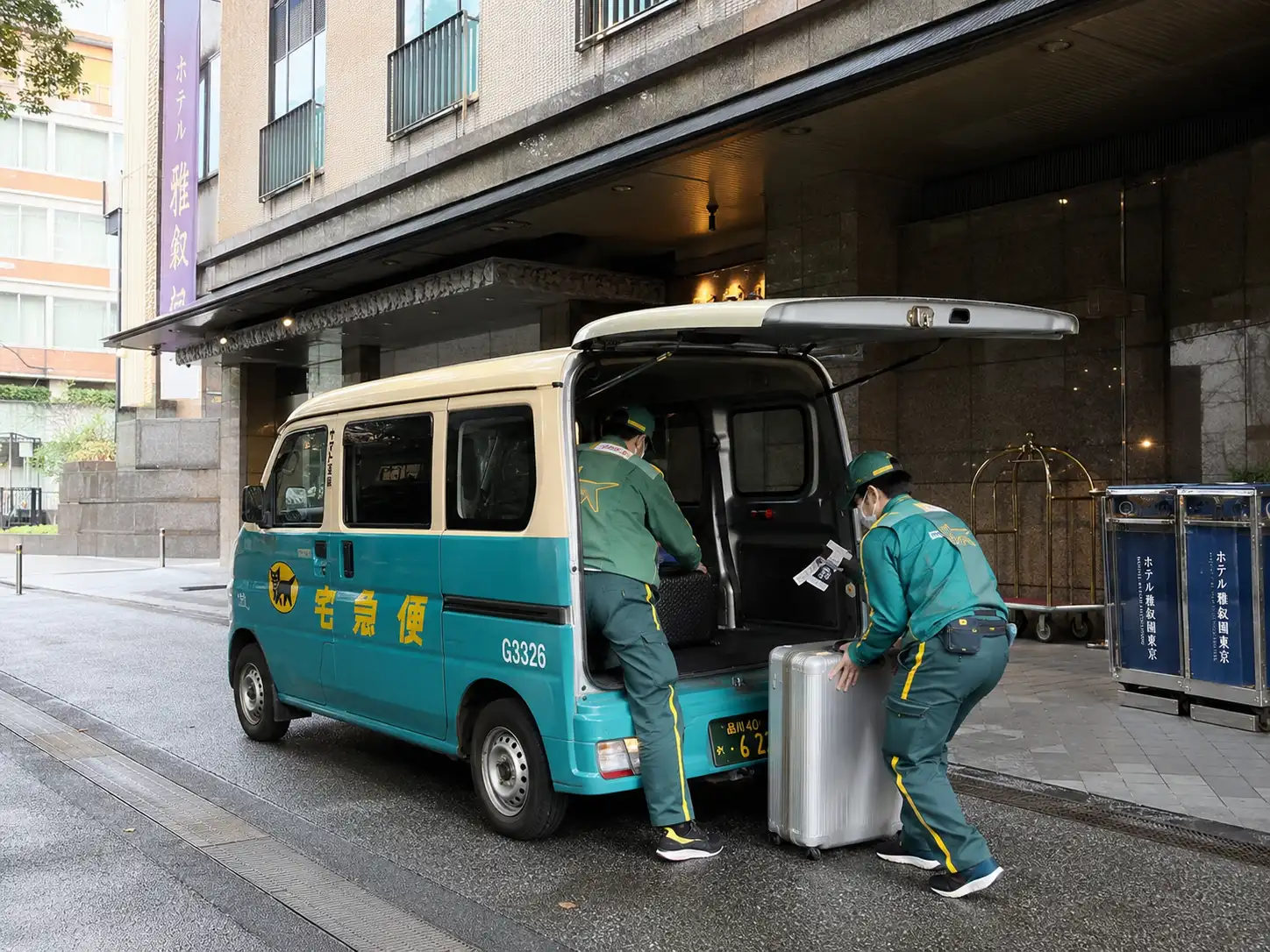
Managing heavy luggage on public transit creates severe physical logjams during morning rush hours. Bullet trains enforce strict size limits for oversized bags, requiring passengers to book specific seats linked to luggage storage bays weeks in advance. Bypassing this hassle is easy if you utilize the national luggage forwarding infrastructure known as Takuhaibin.
Companies like Yamato Transport operate service counters at every major international airport and convenience store. For a small fee, these couriers will transport your heavy suitcases directly from the arrival terminal to your next hotel within twenty-four hours. This service frees you up to board the bullet trains with just a light backpack, easing your first time visiting Japan significantly.