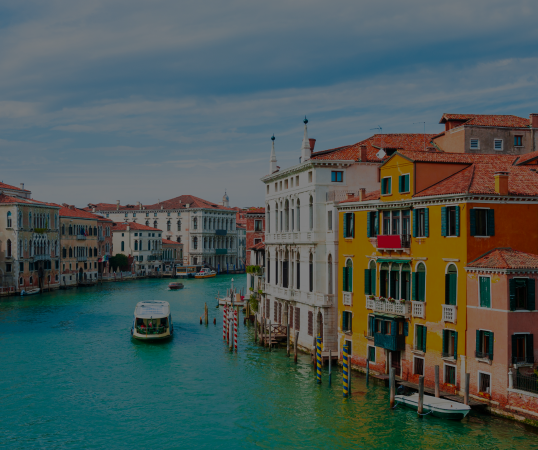
Planning your first trip to Europe often leads to one immediate, overwhelming question: where do you start in a country where every corner feels like a film set? From ancient ruins standing shoulder to shoulder with espresso bars to coastal cliffs plunging into turquoise waters, narrowing down the best places to visit in Italy can quickly feel like a full-time job.
If you are visiting for the first time, trying to see all twenty regions in a week or two will only leave you exhausted. The secret to a successful Italian vacation is focusing on a well-connected route that balances historic sightseeing with time to slow down and enjoy a slow meal. Whether you have seven days or two weeks, this guide breaks down the essential destinations, practical logistics, and top tips for first-time travelers.
The Classic Triad: Essential Italy for First-Time Travelers
For anyone traveling to Italy for the first time, starting with the classic Golden Triangle of Rome, Florence, and Venice is the smartest move. These three legendary hubs sit directly on high-speed train lines, making transit fast, reliable, and stress-free.
Rome: The Ancient Heart of Italy
Rome is energetic, noisy, visually stunning, and endlessly fascinating. Stepping out of the train station feels like walking into an open-air museum where thousands of years of history layer directly over modern city life.
You will want to spend at least three days taking in iconic sites like the Colosseum, the Roman Forum, the Pantheon, and St. Peter’s Basilica in Vatican City. Beyond the major monuments, save time to wander through cobblestone alleys in neighborhood areas like Trastevere. Stop at a local trattoria for a classic plate of cacio e pepe or pasta carbonara, grab a gelato, and sit near Trevi Fountain as the sun sets.
Florence: The Cradle of Renaissance Art and Food
A short two-hour high-speed train ride north from Rome brings you into Florence, the capital of Tuscany. While Rome is grand and vast, Florence is compact, walkable, and steeped in Renaissance artistic heritage.
The towering Duomo dominates the skyline, offering breathtaking rooftop views for those willing to climb the steps. Art lovers will find paradise in the Uffizi Gallery and Accademia Gallery, home to Michelangelo’s David. When you need a break from museums, stroll across the historic Ponte Vecchio bridge, explore local leather markets, and order a thick Florentine steak paired with a rich Chianti wine.
Venice: The Magical Floating City
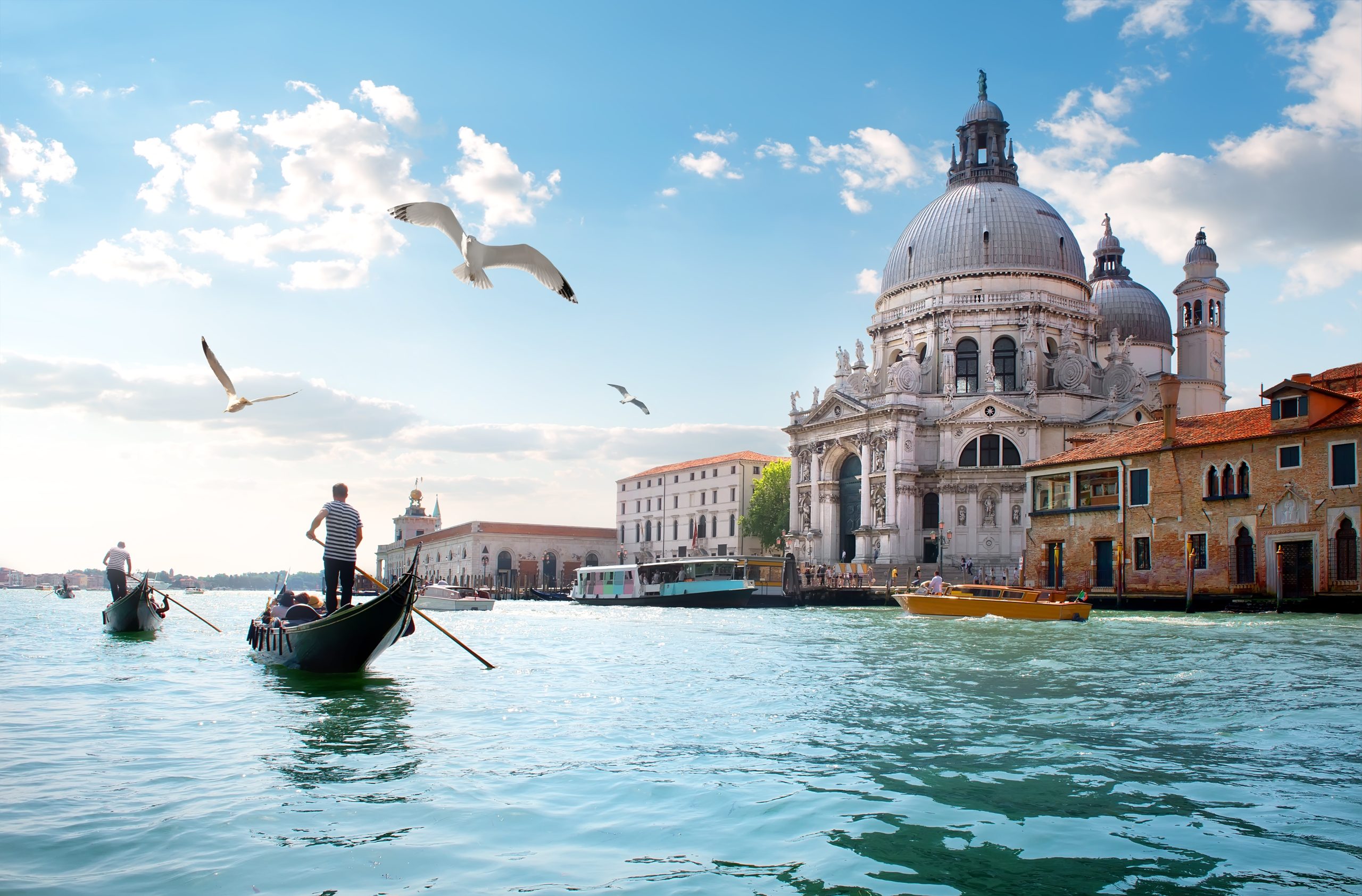
There is no place on Earth quite like Venice. Built on over a hundred small islands in a lagoon, this roadless city relies entirely on footbridges and waterbuses.
It is easy to see why Venice ranks among the best cities to visit in Italy. Watching the light hit Piazza San Marco in the early morning before day-trippers arrive is pure magic. Spend your time taking a vaporetto water bus down the Grand Canal, getting intentionally lost in quiet residential quarters, and taking a short boat trip out to the brightly painted fisherman houses on Burano island. Two full days here are usually perfect for first-timers.
If you want to read more about planning regional adventures, take a look at our complete travel guides for helpful destination inspiration across Europe.
Beyond the Big Three: Choosing Your Fourth Stop
If you have 10 to 14 days, adding a fourth regional destination gives you a broader look at Italian culture. Depending on your personal travel style, choose one of these popular coastal or countryside spots to round out your itinerary.
The Amalfi Coast: Best for Cliffside Views and Ocean Air
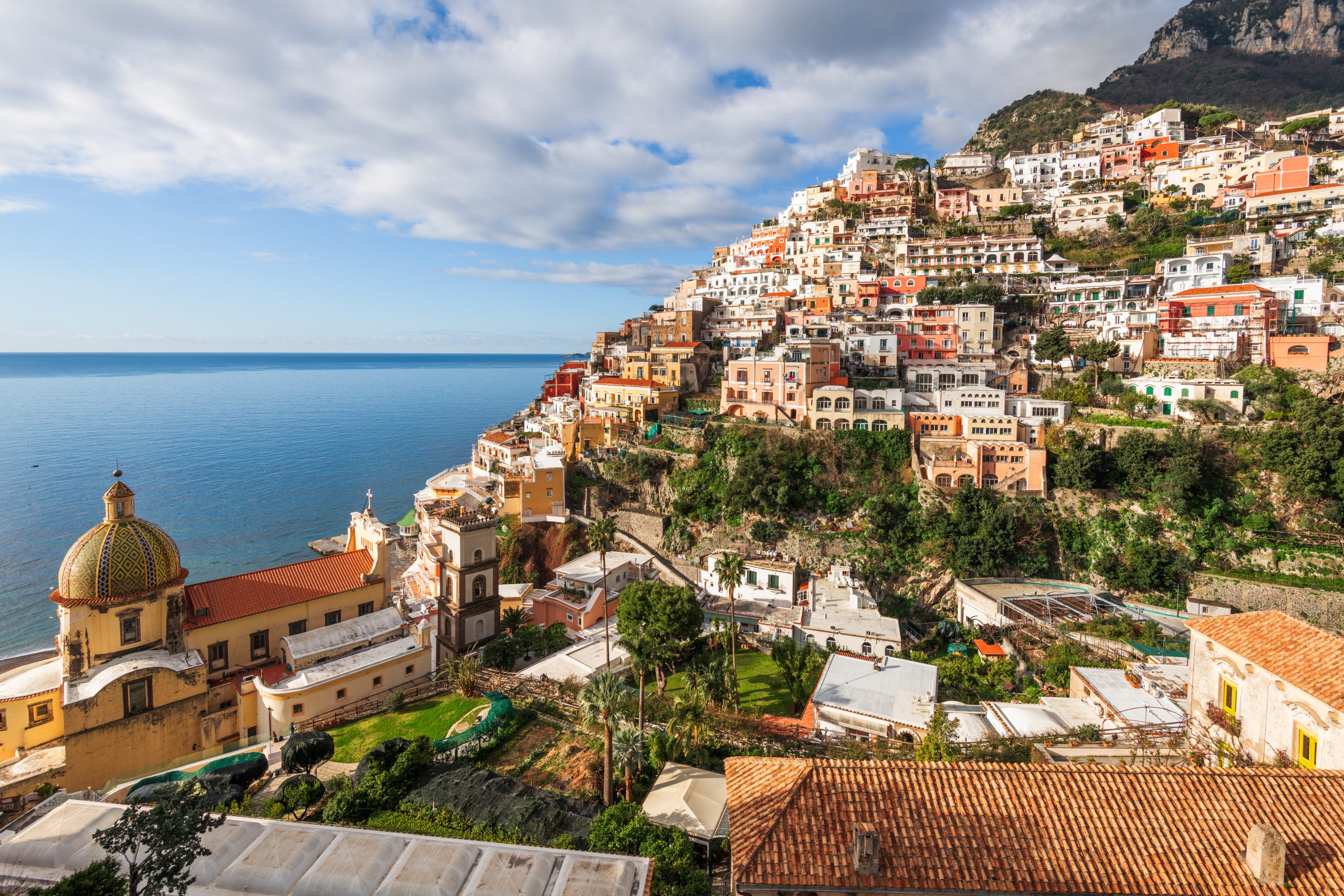
Located south of Naples, the Amalfi Coast features dramatic pastel villages clinging to steep cliffs that drop into the Mediterranean. Towns like Positano, Amalfi, and Ravello offer romantic ocean vistas, lemon groves, and incredible seafood dining. Keep in mind that summer brings heavy crowds and slow coastal roads, so visiting during spring or early fall offers a much smoother experience.
Tuscany Countryside: Best for Rolling Hills and Slow Living
If sweeping green hills, cypress tree-lined driveways, and quiet hilltop medieval towns sound appealing, spend a few days in the Tuscan countryside. Basing yourself in historic towns like Siena, San Gimignano, or Montepulciano lets you rent a car, explore rustic wineries, and experience a slower pace of life far away from busy urban centers.
Cinque Terre: Best for Coastal Hiking and Colorful Villages
On the northwest coast in Liguria, Cinque Terre is composed of five colorful fishing villages connected by coastal hiking trails and a local train line. It is ideal for travelers who love outdoor activity, stunning cliffside photo spots, fresh pesto pasta, and relaxed seaside evenings.
Before embarking on a broader European journey, review our guide on affordable luxury travel destinations in Europe for clever ways to enjoy top-tier experiences while managing your overall travel budget.
How to Connect the Best Cities in Italy by Train
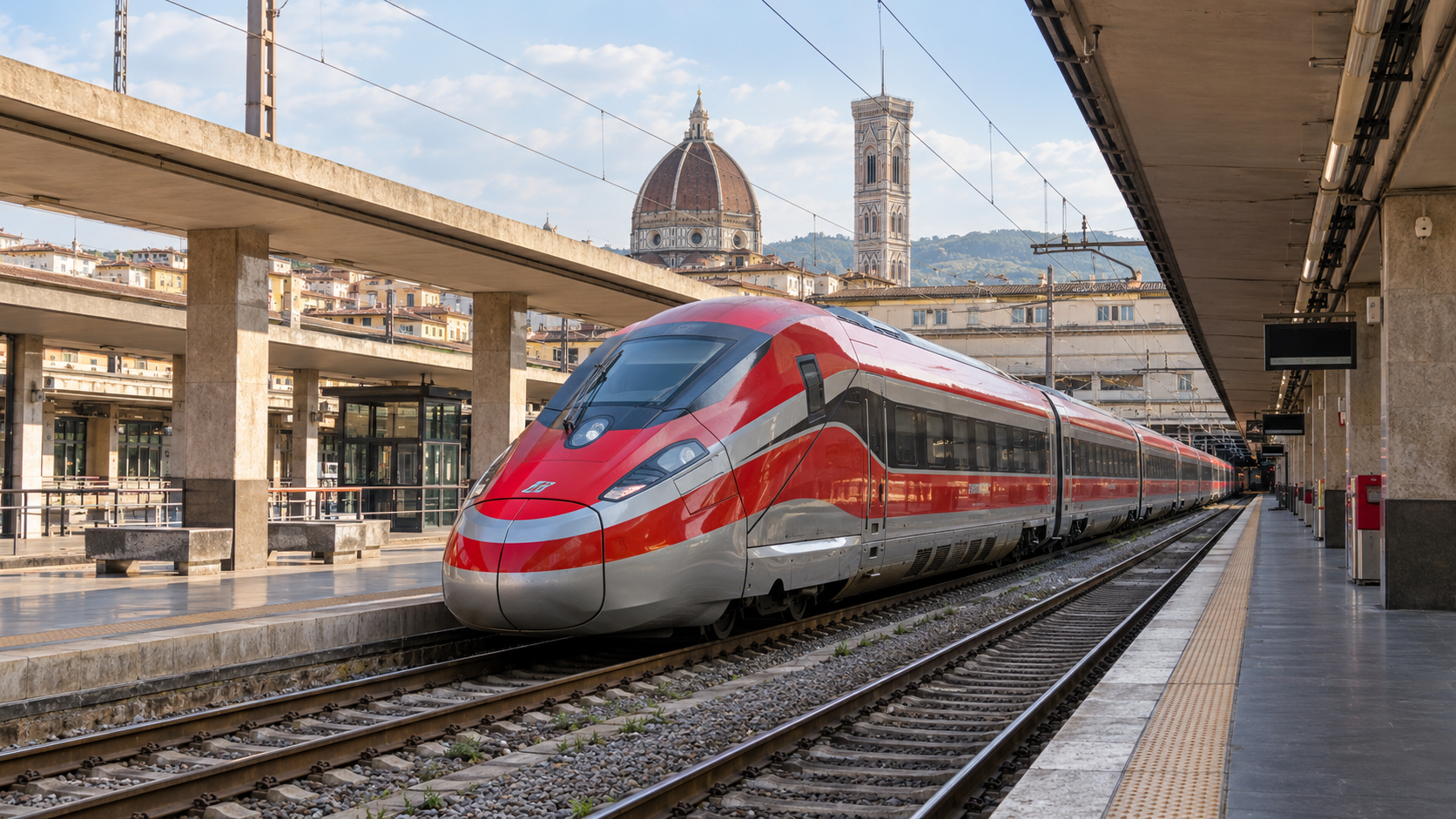
Getting around Italy is surprisingly easy thanks to the efficient high-speed rail networks operated by Trenitalia and Italo.
The main route connecting Naples, Rome, Florence, Bologna, and Venice features trains traveling up to 190 miles per hour. Train stations sit in the center of every major city, eliminating the hassle of airport security lines, terminal transfers, and baggage check fees.
Booking high-speed rail tickets several weeks in advance online usually saves significant money compared to buying at the station on the day of travel. If you take local regional trains during your trip, always remember to validate your physical paper ticket at the green or yellow stamping machines on the platform before boarding to avoid unexpected fines.
Practical Italy Travel Tips for American Travelers
Planning ahead ensures your first trip goes smoothly without unneeded stress. First, prepare for a lot of walking. Italian historic centers are paved with uneven cobblestones, and you will easily clock 10,000 to 20,000 steps every day. Leave uncomfortable dress shoes behind and bring supportive, broken-in walking shoes.
Second, respect local dining rhythms. Breakfast is light, typically consisting of an espresso and a pastry enjoyed standing at a bar counter. Lunch runs from around 12:30 PM to 2:30 PM, while dinner rarely starts before 7:30 or 8:00 PM. Many local restaurants close during late afternoon hours, so plan your meal schedule accordingly.
Third, pack appropriately for religious sites. Landmarks like St. Peter’s Basilica and the Florence Cathedral strictly enforce dress codes requiring shoulders and knees to be covered for entry.
If this is your very first trip abroad, be sure to check out our dedicated travel tips section for practical advice on packing, currency exchange, and international phone plans.
Frequently Asked Questions About Visiting Italy
How many days do you need for a first trip to Italy?
A 10-day trip is ideal for first-time visitors. This timeframe allows you to comfortably explore Rome, Florence, and Venice for three days each with plenty of time for travel between cities.
What is the best month to visit Italy?
May, September, and October offer the best combination of warm weather, pleasant outdoor dining, and manageable tourist crowds compared to hot, busy mid-summer months.
Is it easy to visit Italy without knowing Italian?
Yes. In major tourist destinations, hotels, restaurants, and train stations have English-speaking staff. However, learning a few basic phrases like grazie (thank you), per favore (please), and buongiorno (good morning) is always appreciated by locals.
Should I rent a car in Italy?
You do not need a car if you are sticking to major cities like Rome, Florence, and Venice, as driving in city centers is restricted and parking is difficult. Renting a car is only recommended if you plan to explore rural areas like the Tuscan countryside or small towns in Puglia.
Final Thoughts on Planning Your First Italian Getaway
Choosing among the best places to visit in Italy comes down to striking a comfortable balance between classic sights and relaxing downtime. By focusing on Rome, Florence, and Venice on your first visit, you will experience world-class art, deep history, exceptional cuisine, and iconic landscapes without feeling rushed.
Take your time, leave room for spontaneous gelato stops, and enjoy every moment of your journey. Before you finalize your travel details, explore more of our destination guides on Dream Travel Clips for insightful itineraries and practical vacation ideas.