Bali’s coastline attracts plenty of attention, but the island offers much more than sand and sunsets. Inland, rice terraces cover hillsides, temples stand beside mountain lakes, and forest paths lead past stone carvings and sacred spaces.
Some of the most rewarding things to do in Bali include exploring these landscapes and learning about the traditions connected to them. A slower journey gives you time to notice everyday details, from carefully placed offerings to the work behind a rice harvest.
If you are planning a Bali trip, these experiences from your supplied travel content offer a starting point for exploring beyond the beaches.
Discover Bali’s Temples and Sacred Landscapes
Visit Ulun Danu Beratan Temple
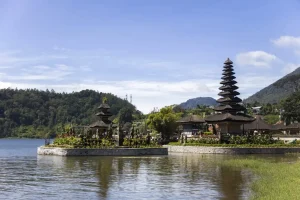
Set beside Lake Beratan in the Bedugul highlands, Ulun Danu Beratan offers a different atmosphere from Bali’s coastal resorts. Its tiered shrines, lakeside setting, and mountain backdrop make it an appealing stop for architecture and scenery.
Walk through the visitor areas without rushing. Mist and changing light can transform the view, so clear skies are not essential to enjoying the surroundings.
Bring a light layer for cooler weather, dress respectfully, and follow signs marking areas reserved for worship.
Explore Lempuyang’s Temple Setting
Lempuyang is in eastern Bali’s Karangasem region. Its famous split gate draws photographers, but the temple deserves attention as a religious place rather than simply a picture location.
Leave time to appreciate the architecture and surrounding landscape. Mountain views depend on the weather, and a photograph should be only one part of the visit. Wear appropriate clothing, follow local instructions, and avoid interrupting ceremonies. Ask before photographing worshippers.
Walk Through Rice Terraces and Forests
Follow the Paths at Jatiluwih
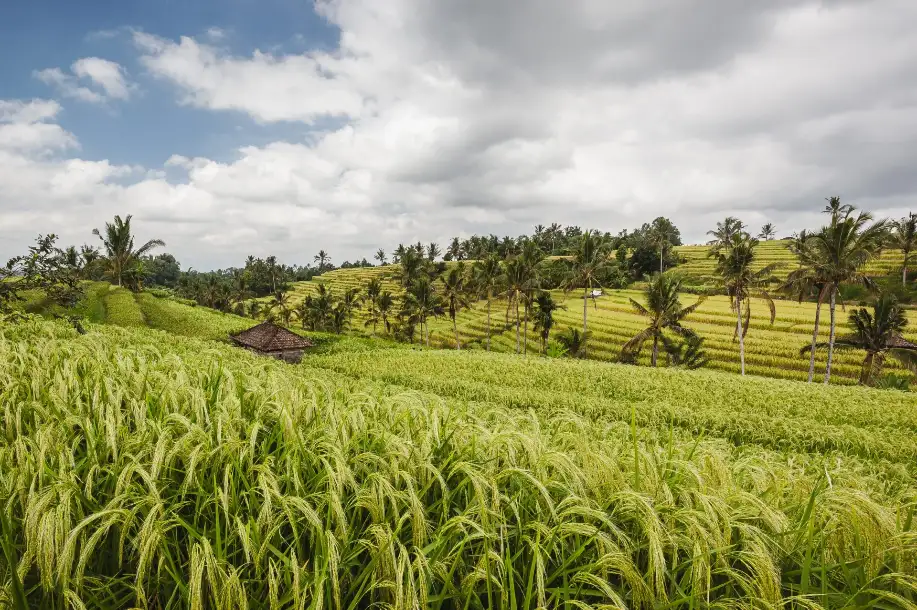
Jatiluwih’s rice terraces in Tabanan offer broad views across a working agricultural landscape. Walking here is among the most memorable things to see in Bali for travelers interested in nature and rural life.
The terraces are connected to Bali’s traditional subak irrigation system, which links water management with community and religious practices. A local guide can help explain how farming shapes the landscape.
Stay on designated paths and avoid stepping into planted fields. The appearance of the terraces changes with planting and harvesting, so do not expect every visit to match bright-green photographs.
Explore Ubud’s Sacred Monkey Forest
Ubud’s Sacred Monkey Forest combines shaded paths, mature trees, stone carvings, and temple surroundings. It offers a forest experience close to the town’s shops and restaurants.
The resident macaques are wild animals. Observe them from a distance, secure loose belongings, and follow staff instructions. Avoid touching them or bringing food into the forest.
Look beyond the animals, too. The bridges, sculptures, and dense vegetation are part of what makes a walk through the sanctuary interesting.
Enjoy Waterfalls and Volcanic Scenery
Visit Tegenungan Waterfall
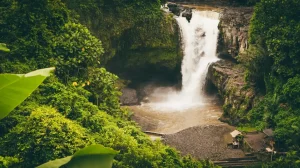
Tegenungan Waterfall is an option for travelers exploring the Gianyar area near Ubud. The approach offers views of water dropping into a green river valley. Expect steps and potentially slippery surfaces.
Wear footwear with grip and consider the climb back before descending. Enjoying the waterfall does not require entering the water. Rainfall can change river conditions, so follow barriers and local guidance rather than assuming swimming is suitable.
Explore the Mount Batur Area
Mount Batur and the surrounding Kintamani landscape offer another side of Bali. Lake views, volcanic terrain, and higher elevations provide a contrast to the island’s southern coast. A guided sunrise hike may suit travelers comfortable with an early start and uneven ground.
However, the walk should not be treated as effortless or suitable for everyone. Confirm current access, weather, and volcanic guidance before booking. If hiking does not appeal, choose a viewpoint and enjoy the landscape at a gentler pace.
Make Time for Balinese Culture
Learn Through Food and Crafts
Leave space between sightseeing stops for a cooking class or an artisan-led workshop. Preparing a regional dish or learning about weaving can add context to what you see around the island. Choose experiences that explain the process and allow questions. Confirm the menu, group size, and level of participation before booking.
Notice Everyday Traditions Respectfully
Culture is also present outside organized activities. Offerings, temple clothing, and preparations for ceremonies are part of daily life. Observe without blocking entrances or stepping over offerings when you can walk around them. Ask permission before taking close photographs of people.
Plan a Bali Trip With Room to Explore
Group Nearby Experiences Together
Ubud, Jatiluwih, Bedugul, Kintamani, and eastern Bali are spread across different areas. Choose a few priorities and account for road travel instead of filling each day with distant stops.
Leave Space for a Slower Day
When choosing Bali island things to do, balance major sights with time for meals, short walks, and rest. A flexible route helps you enjoy the island’s temples, nature, and culture without turning every experience into another deadline.