Hidden St Lucia Tourist Spots Beyond the Resorts
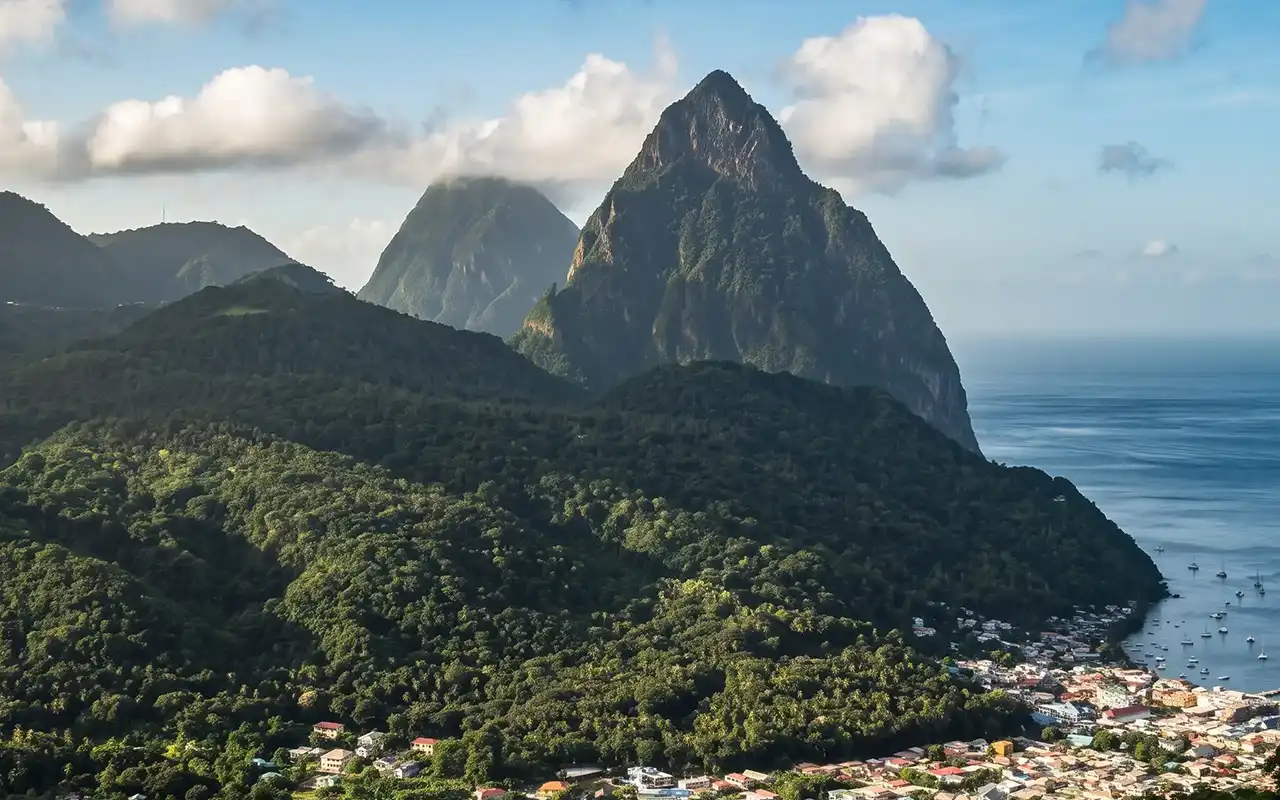
The Pitons, Sulphur Springs, and the beaches around Soufrière deserve their popularity, but they represent only one part of St. Lucia. Travelers who stay close to the main resort districts may miss tropical gardens, coastal communities, waterfalls, and volcanic beaches in other parts of the island.
The quieter St. Lucia tourist spots in this guide provide an alternative to the busiest sightseeing routes. They are not secret destinations, and several appear in official visitor information, but they generally receive less attention than the island’s signature attractions. Visiting them thoughtfully can provide a broader view of St. Lucia’s landscapes and community life.
Quieter St Lucia Tourist Spots on the East Coast
St. Lucia’s east coast faces the Atlantic and has a less resort-focused atmosphere than the northwest. Roads pass through small communities, agricultural areas, and comparatively undeveloped stretches of coastline. Travel times can be longer than the distance suggests because of the island’s narrow, winding roads. Check current directions, road conditions, and opening arrangements before leaving your hotel or rental.
Walk Through Mamiku Gardens
Mamiku Gardens is a historic estate and botanical garden on St. Lucia’s east coast. Its walking paths pass tropical plants, estate ruins, and areas that attract local birdlife. The setting generally feels quieter than the heavily visited gardens near Soufrière. Allow enough time to explore the grounds instead of treating the garden as a brief photo stop.
Morning is often the most comfortable time to visit because temperatures are cooler. Wear shoes suitable for garden paths and carry drinking water and insect repellent. Hours, admission prices, and visitor access may change, so confirm the current arrangements before traveling. Follow posted signs and avoid entering closed areas for photographs.
Visit Latille Falls and Gardens
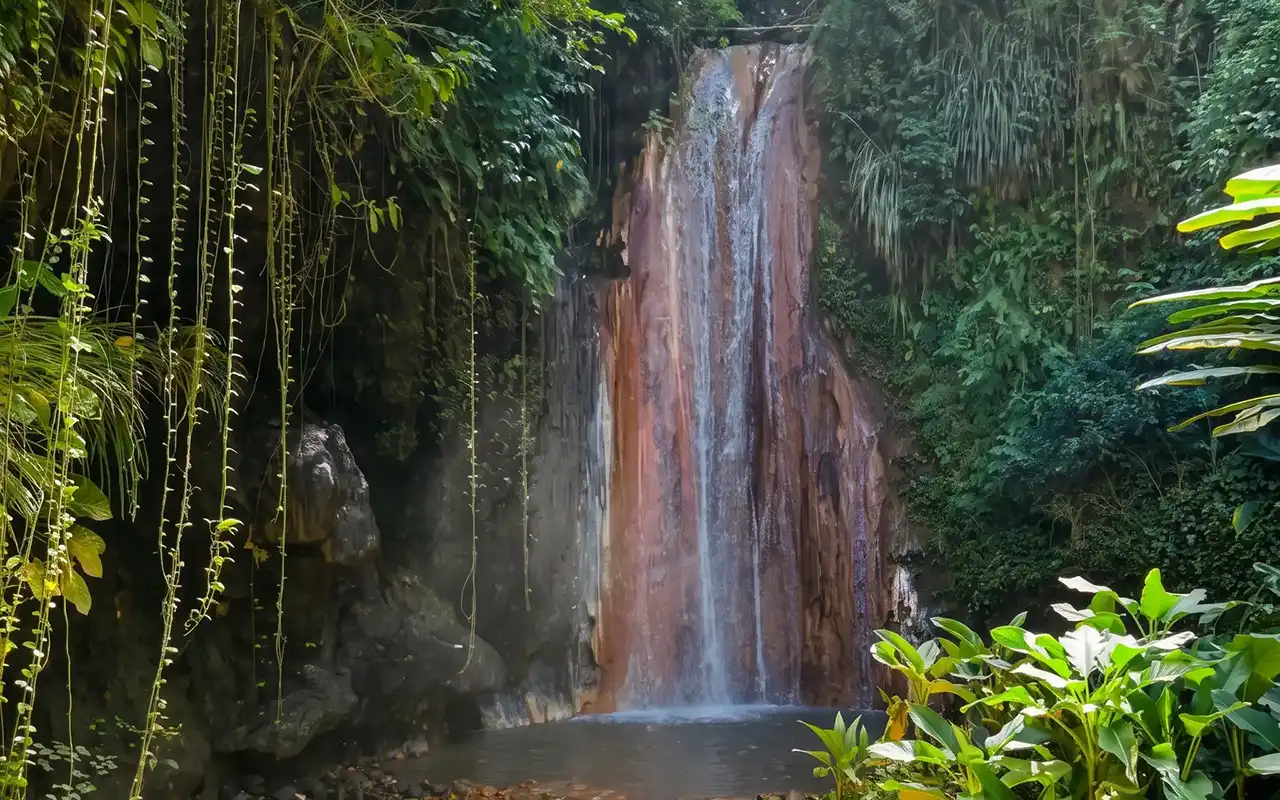
Latille Falls and Gardens is a privately operated nature attraction near Micoud. The property includes a waterfall, tropical vegetation, and shaded paths in a peaceful forest setting. Because it is smaller and less developed than some major attractions, directions and access may require more preparation. Contact the property or a dependable local operator before visiting.
Heavy rain can make paths slippery and alter conditions around the waterfall pool. Do not enter the water when staff or guides advise against swimming, even if other people are already in the pool. Wear secure shoes with reliable traction rather than loose sandals. Visitors unfamiliar with the east coast may find it easier to travel with a local driver or guide.
Coastal Villages Away From the Main Resorts
Community visits require a different attitude from resort sightseeing. Laborie, Anse La Raye and Dennery are active towns and fishing villages rather than attractions created solely for visitors. Spend money at local businesses, ask before photographing people, and avoid blocking working waterfront areas. The objective should be to observe respectfully, not to treat daily life as a performance.
Slow Down in Laborie
Laborie is a coastal community in southern St. Lucia with a long connection to fishing, agriculture, and local commerce. Its waterfront and nearby Rudy John Beach Park provide a quieter alternative to the larger resort beaches. Fishing boats, small businesses, and everyday community activity shape the atmosphere. Visit without expecting a fixed schedule of organized tourist entertainment.
Rudy John Beach Park is known for its reef-protected bay, but swimming conditions can still change. Ask locally about current water conditions, keep personal belongings secure, and supervise children near the sea. Buying a meal, drink, or locally made item is one practical way to support the community. Travelers staying in southern St. Lucia can combine Laborie with nearby attractions without crossing the entire island.
See Anse La Raye Beyond the Highway
Anse La Raye is a west-coast fishing village positioned between Castries and Soufrière. Its waterfront, colorful buildings, and community events give it a different rhythm from nearby hotel areas. The village is also associated with waterfalls and inland nature experiences that may be available through organized visits. Confirm access rather than following an unverified online map into private or difficult terrain.
Timing matters because the village can feel quiet during the day and much busier during scheduled events. Check the local calendar if you want to experience a community evening or avoid larger crowds. Use established parking and transportation arrangements. Remember that residents still need access to homes, businesses, and the working waterfront.
Experience Dennery on the Atlantic Side
Dennery sits on St. Lucia’s Atlantic coast and has strong connections to fishing, agriculture, and local food traditions. Its waterfront, colorful boats, and community atmosphere contrast with the island’s major resort districts. Food stalls and scheduled events may provide opportunities to try local dishes, but availability should not be assumed every day. Check current event information before making a special trip.
Water on the Atlantic coast can be rougher than on the sheltered Caribbean side of the island. Do not assume that every attractive stretch of shoreline is suitable for swimming. Follow local guidance and remain a safe distance from strong waves. Dennery works best as one stop on a planned east-coast route rather than as a separate outing requiring a long round trip.
Less-Crowded Beaches in St Lucia Caribbean
The beaches of St Lucia Caribbean are not limited to pale sand and calm resort coves. The island’s volcanic geology has created dark shores framed by forest, cliffs and steep coastal terrain. Some quieter beaches have limited facilities or more difficult access. Bring what you need, but carry every item away when leaving.
Relax at Balenbouche Beach
Balenbouche Beach lies on St. Lucia’s southern coast and is known for its dark volcanic sand and undeveloped appearance. Cliffs and vegetation give the shoreline a more rugged character than a maintained resort beach. Facilities are limited, so visitors should not expect restrooms, food service, rental chairs, or lifeguards. Confirm the current entrance route and parking arrangements before setting out.
Water conditions can change, and an uncrowded beach is not automatically safe for swimming. Avoid entering rough water, swimming alone, or remaining in an isolated area after dark. Keep valuables secured and out of sight. The landscape and peaceful surroundings are the primary reasons to visit.
Walk From Anse Chastanet to Anse Mamin
Anse Mamin is a dark-sand beach near Anse Chastanet, reached by continuing along the coast. It generally feels quieter than its better-known neighbor, although visitor numbers vary by day and season. Forested surroundings and volcanic sand make it suitable for a slower beach stop. Access arrangements can be influenced by nearby resort operations, so verify current visitor information.
Do not expect complete isolation, particularly when boat excursions arrive. Go earlier, bring appropriate sun protection, and check sea conditions before swimming. Respect signs identifying private facilities or restricted areas. Public beach access does not provide automatic permission to use every nearby chair, dock, or resort service.
How St Lucia Weather Affects Exploring
St Lucia weather remains warm throughout the year, with the official tourism authority typically reporting temperatures around 75–88°F. December through April is generally drier, while the wetter season brings more rain from roughly June through November or December. Showers can be brief, but heavy rain may affect trails, roads, and waterfall pools. The forested interior usually receives more rainfall than coastal areas.
Do not cancel an entire day because of one short shower, but avoid dismissing serious weather warnings. Carry light rain protection and keep a flexible route when exploring remote areas. Check the forecast before leaving and reconsider waterfalls or rough roads after prolonged rain. Hurricane-season travelers should also use flexible reservations and suitable insurance.
Plan Beyond the Famous St Lucia Tourist Spots
A balanced St. Lucia itinerary does not need to avoid the island’s famous attractions. Combine the Pitons, Sulphur Springs, or Soufrière with one quieter community, garden, waterfall, or volcanic beach. This approach provides more variety without turning the trip into a rushed drive around the island.
Choose destinations by region, verify access before leaving, and allow extra time for winding roads and changing weather. Dream Travel Clips’ guide to choosing the right island for your next vacation can help with Caribbean comparisons. Its free travel planning guide can also help organize transportation, weather alternatives, and realistic daily routes.