As the vibrant capital of Japan’s northernmost main island, Sapporo is a destination defined by stunning seasonal contrasts. Unlike much of mainland Japan, Hokkaido experiences dramatic shifts in climate, turning into a serene white wonderland in winter and a lush, flower-filled paradise come spring and summer.
Deciding on the best time to visit Sapporo ultimately depends on what kind of magic you want to witness, whether that means marveling at giant ice sculptures, walking under soft pink cherry blossom trees, or indulging in some of the freshest culinary delights in Asia.
From historic landmarks and snowy mountains to bustling nightlife districts like Susukino, the city offers an overwhelming array of top Sapporo attractions. Whether you are planning a winter sports adventure, a spring flower walk, or a culinary tour across the region, knowing the top things to do in Sapporo, Hokkaido, across different months ensures you experience the absolute best of each season.
In this comprehensive seasonal guide, we will break down what makes each time of year unique so you can plan the perfect journey:
Spring (March to May): Fresh Blooms & Crisp Breezes
Spring in Hokkaido feels entirely different from the snow-covered winter. The city turns vibrant as the flowers bloom and the trees get their colors back. But the early spring in Sapporo might still be cold as the winter transitions to spring.
Spring in Sapporo arrives later than the rest of Japan. While cherry blossoms usually bloom by late March in Tokyo and Kyoto, Hokkaido’s sakura season doesn’t start until late April to early May.
Spring Temperature in Sapporo:
- March: Ranging from -2.9°C to 3°C
- April: Ranging from 2°C to 14°C
- May: Ranging from 7°C to 20°C
- Rainy days: 10-18 days monthly, with occasional snowfall and mixed rain in March.
Summer (June to August): Sunshine, Beer Gardens & Lavender Fields
If you want to escape the sticky, humid summer heat of mainland Japan, Sapporo is your ultimate sweet spot! Summers here are surprisingly mild, super comfortable, and packed with clear blue skies. You can walk around all day without melting, which makes exploring the city’s lush parks an absolute breeze.
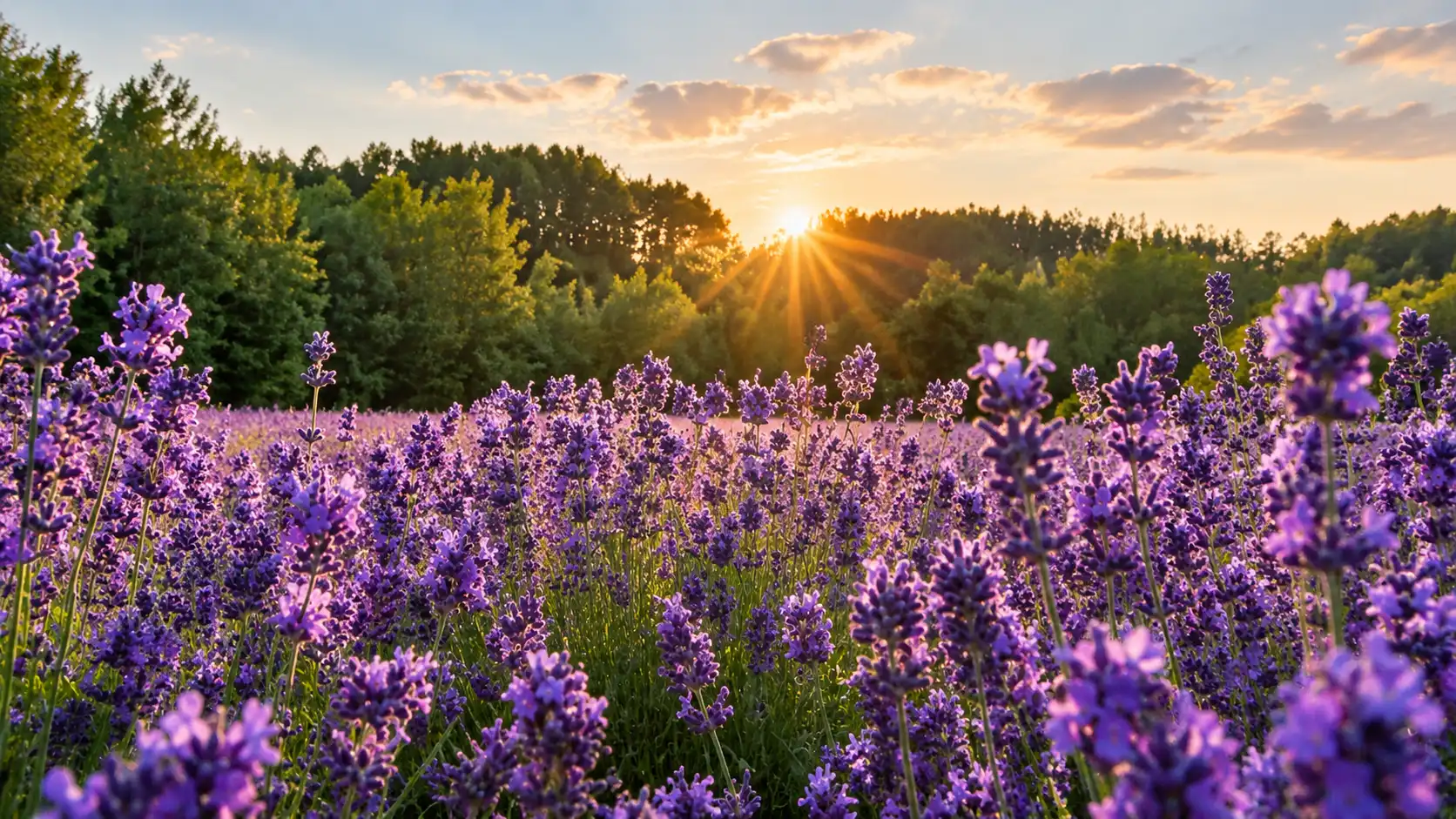
The real highlight of summer has to be the iconic Odori Park Beer Garden running through July and August. Picture sitting outdoors under the sun, sipping a freezing-cold draft beer, and snacking on delicious local eats with friendly locals. Plus, summer is prime time for a quick day trip to nearby Furano to see those famous, vibrant lavender fields in full bloom!
Summer Temperature in Sapporo:
- June: 12°C to 21°C (Crisp, pleasant, and fresh)
- July: 17°C to 25°C (Warm and sunny, t-shirt weather at last!)
- August: 19°C to 26°C (Peak summer, but still super comfortable)
- Rainy Days: Around 8 to 11 days a month (way less rain and humidity than Tokyo!).
Autumn (September to November): Golden Leaves & Foodie Heaven
Autumn season in Japan is a time when everything you have seen before changes color. When traveling around the nation, the famous sites are surrounded by colors of red, brown, yellow, and green. It is the added autumn hues that make it more special than at other times of the year.
The weather is cooler, but not so much that you are shivering. The Shrines and Temples of Nikko are majestic around this time. The UNESCO World Heritage Site is surrounded by autumn leaves, and a gentle gust would cause them to fall as you walk under the trees.
It is like the world has returned to a peaceful serenity as you watch the bright maple leaves fall. The extra charm of the autumn season makes any destination in Japan more special than usual. In Takayama, the autumn festival features a different set of yatai (floats) that is meant to complement the season.
The floats are elaborately decorated and showcase the famous craftsmanship of Takayama. Even visiting the various sites of Kyoto in the autumn season gives off a different feeling compared to other seasons.
Autumn Temperature in Sapporo:
- September: 14°C to 22°C (Ideal cool weather for walking around)
- October: 7°C to 16°C (Cozy jacket weather starts)
- November: 1°C to 8°C (Chilly pre-winter vibes, time for heavy coats)
- Rainy Days: Expect about 11 to 17 rainy days per month as winter approaches.
Winter (December to February): Pure Powder & Fairytale Magic
The winter season in Japan brings a lot of snow. This means you can experience some natural sights across Japan. In Nagano, you can watch snow monkeys enjoying the springs in the area. Zao in Yamagata Prefecture is famous for the snow monsters that appear around the mountain. These are trees that get covered in snow and ice,e forming shapes that look like monsters.
There is a festival during this time focusing on the Zao Snow Monsters. North along the coast of Abashiri, you can see the ryuhyo, which is the drift ice. This happens when large pieces of water come together, making it look like the water is frozen. There are ice-breaking cruises that take you through the ice, allowing you to see the scene up close.
You can also try Wakasagi Smelt Fishing in some parts of Hokkaido, which is similar to ice fishing, but they cook the small fish right there. Besides the sights,s there are also big winter festivals taking place. The Sapporo Snow Festival is one of the biggest in Japan. It lasts a week and includes many winter activities like ice carving and snow slides.
The performance stages are also made from snow, ow and at night the snow sculptures glow with lights. There is also the Otaru Snow Light Path in the city of Otaru. This event has snow lanterns placed throughout the city of Otaru. It is a romantic celebration, but you can still enjoy the lights and the atmosphere.
Winter Temperature in Sapporo:
- December: -4°C to 1°C (Snow season officially begins!)
- January: -7°C to -1°C (Freezing, fluffy powder everywhere)
- February: -6°C to 0°C (Peak snow festival time)
- Rainy/Snow Days: Around 15 to 22 days per month—though almost all of it falls as pure, white snow!
Travel Tips for Visiting Sapporo
A little preparation can make a big difference when visiting Sapporo. The city is easy to explore, but its seasonal changes from heavy snowfall in winter to busy festival periods mean that choosing the right timing, packing wisely, and planning your transport can help you enjoy a smoother trip.
1. Plan Ahead for February’s Snow Festival
February is Sapporo’s most popular travel period, thanks to the world-famous Sapporo Snow Festival. Hotels near the city centre often fill up quickly, and flight prices tend to increase as the event approaches.
If you want to experience the giant snow sculptures, winter illuminations, and festive atmosphere, it’s best to book your flights and accommodation several months ahead.
2. Pack for Real Winter Conditions
Sapporo’s winter is much colder and snowier than many other Japanese cities. Snow-covered streets, icy paths, and freezing temperatures are common, so everyday winter clothing may not be enough.
Make sure to bring: Waterproof winter boots with good grip; thermal layers for extra warmth; gloves, scarves, and heat-retaining accessories; and a proper insulated winter coat.
Leave the fashion sneakers at home; February snow and icy sidewalks can make walking uncomfortable without the right footwear.
3. Consider Rail Passes for Hokkaido Adventures
Sapporo makes a great base for exploring more of Hokkaido. If you’re planning day trips or multi-city adventures to places like Otaru, Furano, or Hakodate, consider whether a rail pass could help you save on transportation costs while making travel more convenient.
4. Experience Sapporo Through Seasonal Food
Food is one of the biggest reasons to visit Sapporo, and the city’s dining scene changes with the seasons. Each time of year brings different local flavours worth trying:
- Winter: Warm up with rich miso ramen, fresh crab, and comforting soup curry.
- Spring: Enjoy fresh seafood and seasonal vegetables as local produce returns.
- Summer: Relax at outdoor beer gardens and try Hokkaido’s famous dairy desserts.
- Autumn: Taste seasonal favourites like salmon, uni (sea urchin), and fresh harvest produce.
5. Choose a Convenient Place to Stay
For first-time visitors, staying around central Sapporo makes exploring the city much easier. Areas near Sapporo Station and Odori Park offer convenient access to public transport, shopping streets, restaurants, and major attractions, allowing you to spend less time commuting and more time enjoying the city.
Final Thoughts: Choosing Your Perfect Sapporo Season
The best time to visit Sapporo is not the same for everyone. It is time for you to visit Sapporo. If you want to see snow sculptures and eat ramen, you should go in February. If you want to see cherry blossoms but you do not want to be with a lot of people, you should go in April.
If you like food festivals, beer gardens, and nice weather, you should go in the summer or autumn. The season you choose does not matter, because Sapporo is a place to visit. Sapporo has pretty scenery, very good food, and Sapporo is a very different place depending on when you visit Sapporo.