International arrivals in Spain are tracking toward historic benchmarks, with official economic updates projecting nearly 100 million annual global visitors. This massive volume concentrates heavily around the Mediterranean coastlines, major air hubs, and historic city centers, creating unprecedented demand for lodging and transit. Vacation planning for this region cannot rely on last-minute choices or casual walk-up availability anymore.
Successful travel depends on understanding strict new border technologies, booking domestic rail services early, and adjusting your daily schedule to the traditional local clock. Utilizing targeted Spain travel tips allows you to avoid common logistical bottlenecks and build an efficient itinerary.
New Border Entry Technologies and Documents
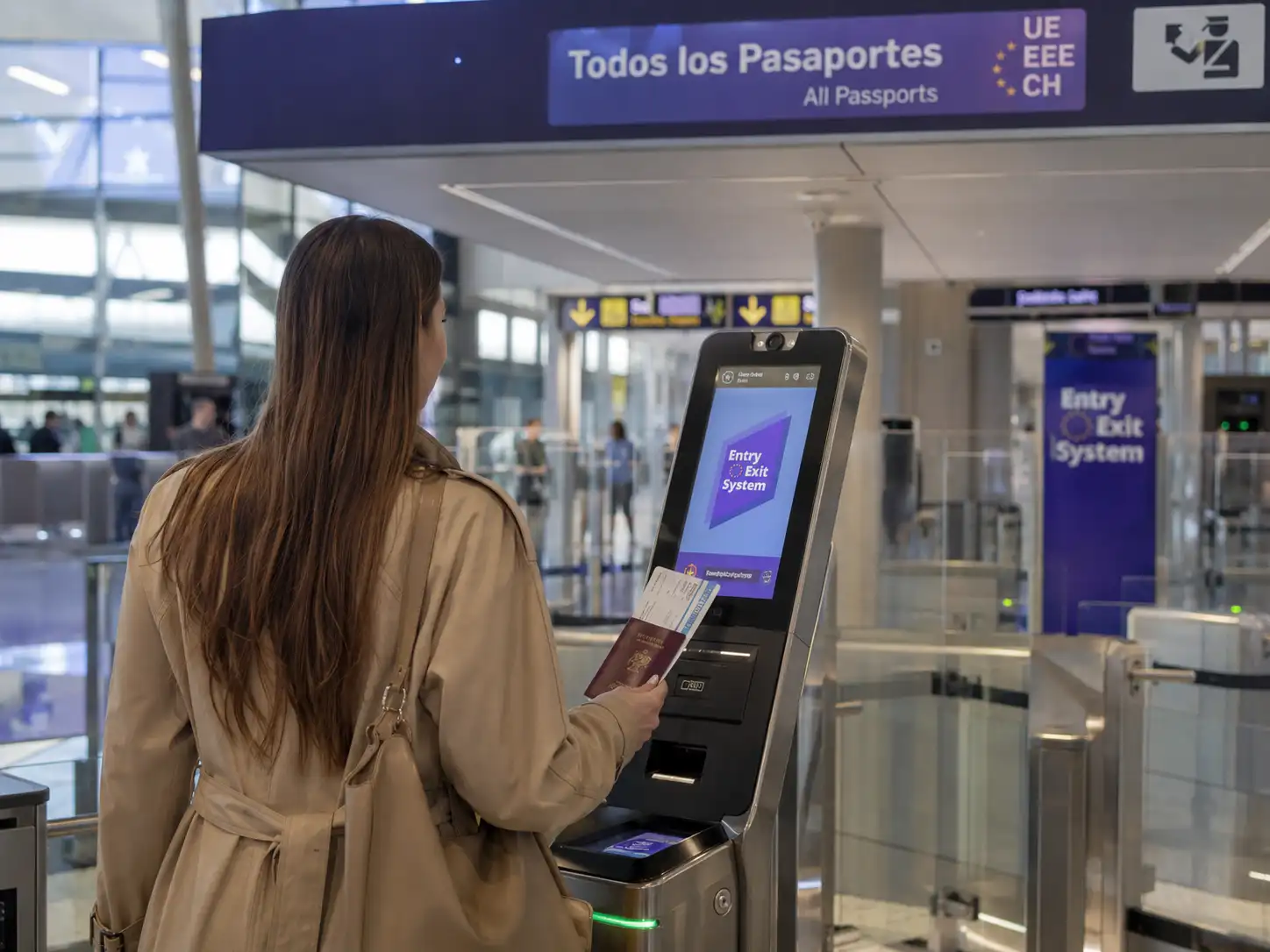
Entry requirements for European Union destinations have undergone a major structural overhaul. Spain has fully implemented the automated Entry/Exit System at all international airports, seaports, and land crossings. This setup replaces physical ink passport stamps with mandatory biometric registration. The majority of Spain travel tips sources tell about first-time visitors providing digital facial scans and four fingerprints at the border control kiosks, a process that adds roughly five to ten minutes to the initial immigration line.
Travelers from visa-exempt nations, including the United States, Canada, and the United Kingdom, must also prepare for the launch of the European Travel Information and Authorization System. This digital pre-travel screening link connects directly to your passport and stays valid for up to three years.
You must complete the online application and pay the small processing fee days before your scheduled flight, as commercial airlines will deny boarding to anyone lacking an approved digital status. Ensure your passport carries at least three months of validity past your planned departure date and contains at least one completely blank page for the automated kiosks to read.
Master the High-Speed Rail Market
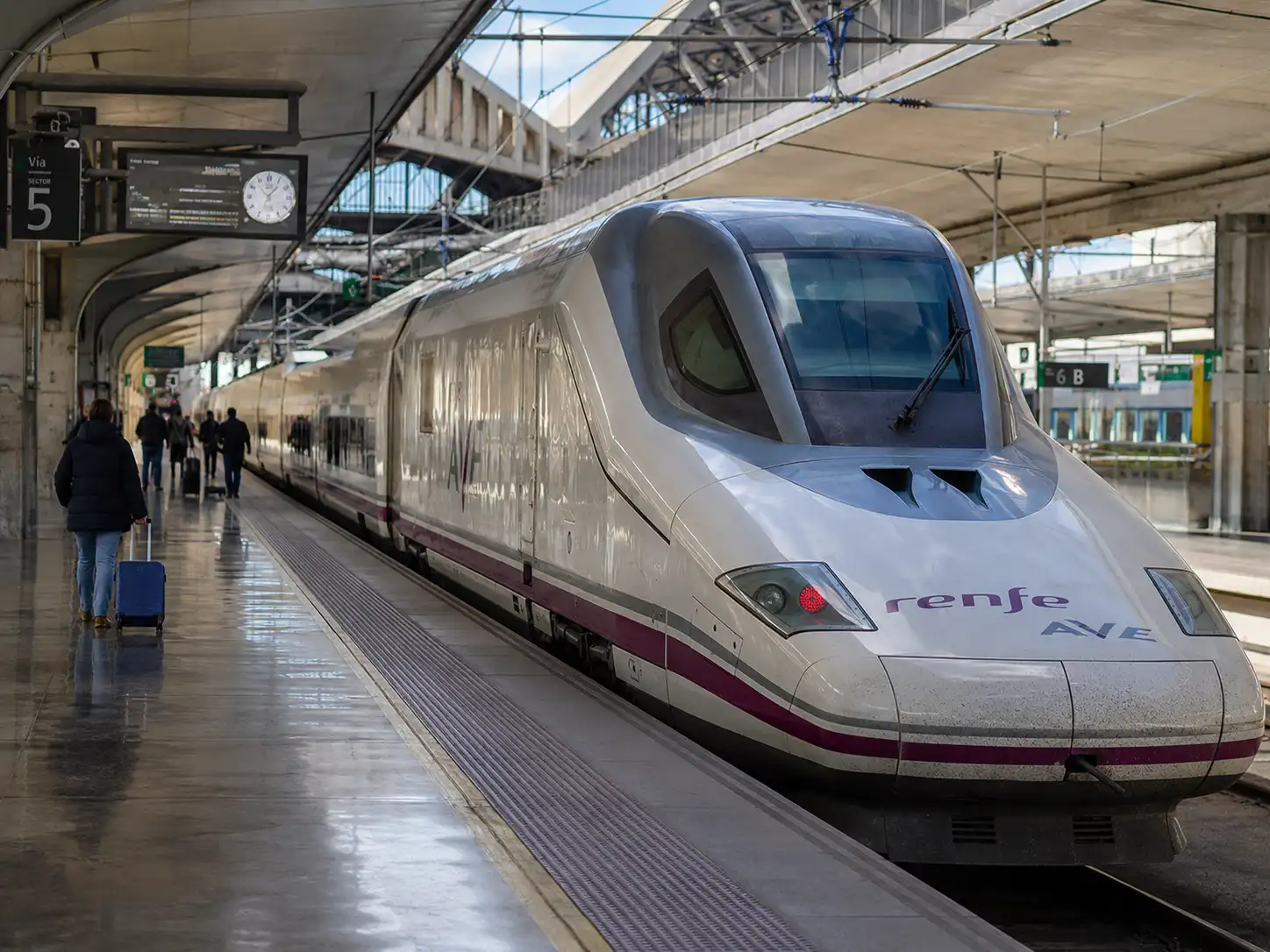
Intercity transit has become exceptionally affordable due to the recent deregulation of the national rail network. Multiple corporate operators now compete directly on the high-speed tracks linking Madrid to Barcelona, Valencia, and the southern cities of Andalusia. This commercial price war means high-speed tickets routinely sell for a fraction of the cost of a rental car or domestic flight.
A comprehensive Spain itinerary planner should prioritize rail booking at least thirty to sixty days before departure. Three primary brands manage the major routes:
- Renfe/Avlo: The historic national carrier and its low-cost subsidiary, offering the widest network of routes across small provinces.
- Iryo: A private operator known for modern train cars and quiet executive cabins.
- Ouigo: A budget-focused option running double-decker trains on high-density corridors.
Tickets fluctuate in price based on real-time demand, meaning afternoon departures on weekends sell out far ahead of time. Securing seats early via mobile apps allows you to move between distant provinces in under three hours without dealing with baggage checks or remote airport transfers.
Align With the Traditional Daily Schedule
Daily business hours and dining timelines follow a distinct cultural rhythm that catches many North American travelers off guard. Retail stores, municipal offices, and family-owned businesses outside major metropolitan centers often close completely between 2:00 PM and 5:00 PM for the traditional midday break. Street activity drops during these high-heat hours, picking up heavily in the late evening.
Dinner reservations do not begin until 9:00 PM or 10:00 PM across most regions. Kitchens at traditional tapas bars and local restaurants stay completely closed during the late afternoon, meaning travelers attempting to eat dinner at 6:00 PM will find only generic fast-food chains open. Adjust your daily schedule by eating a heavy lunch around 2:00 PM and utilizing late-afternoon coffee breaks to match the local pace.
Secure Major Sights Far in Advance
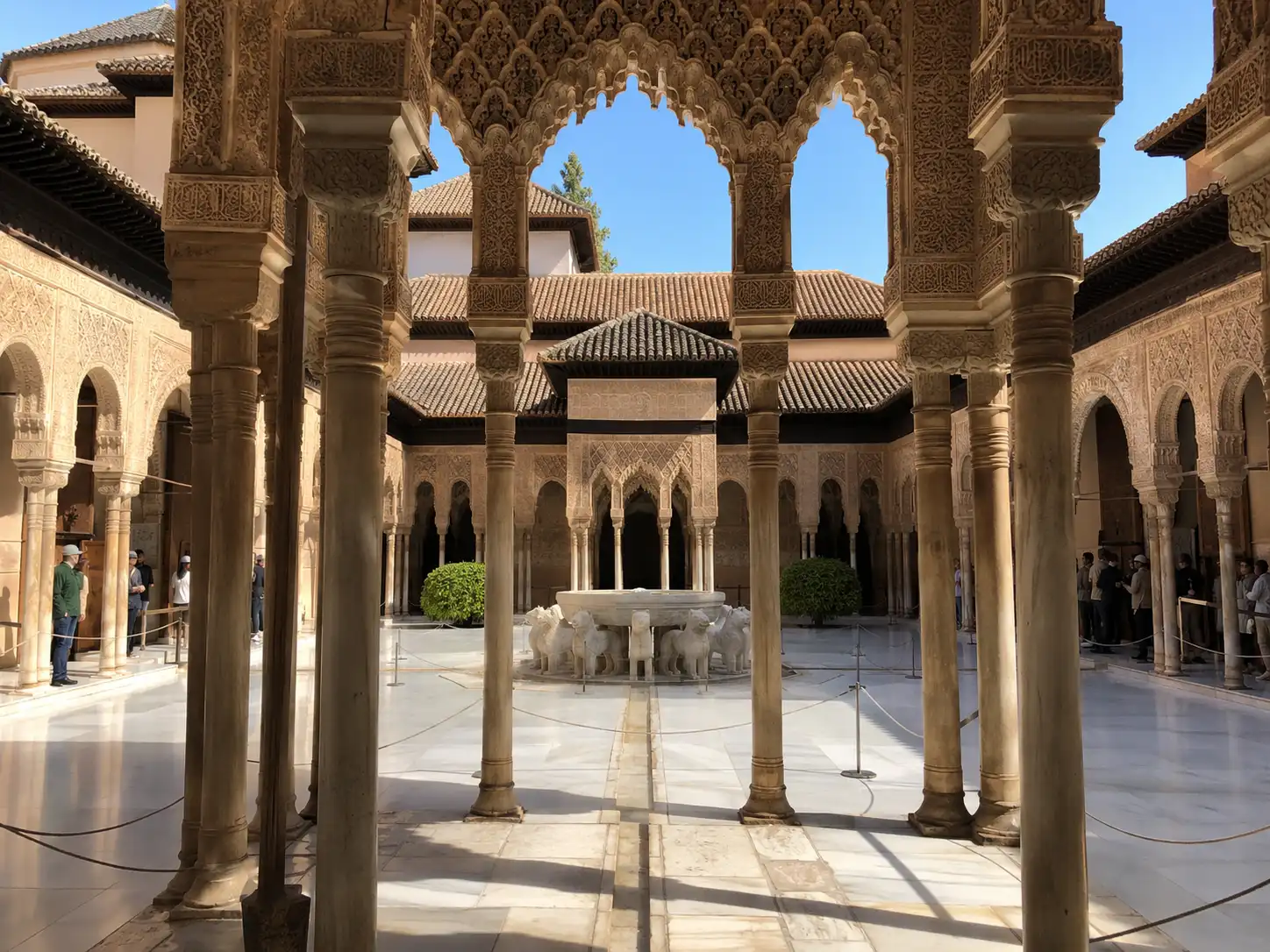
Scarcity defines the monument ticketing system in high-density tourist zones. Government regulations impose strict daily capacity limits on historic sites to preserve the ancient architecture and manage overtourism.
Attempting to buy walk-up tickets at premier landmarks will result in immediate rejection at the gate. Specific locations demand immediate reservation the moment your flights are confirmed:
- The Alhambra (Granada): Palace entry passes routinely sell out three to four months in advance.
- La Sagrada Família (Barcelona): Timed-entry slots disappear weeks ahead of time, especially for morning access to the towers.
- The Royal Alcázar (Seville): Midday entry windows require advance online confirmation to bypass multi-hour waiting lines.
If your preferred dates are unavailable on official portals, your only alternative is to book a more expensive guided group tour through an authorized third-party agency. Lock in your core sightseeing dates first, then organize your regional transit and lodging around those fixed times.