Standing beneath a temple’s towering columns is only one way to experience Egypt. Walking through an old market, exploring a museum, and watching daily life along the Nile reveal other sides of the country.
Some of the most memorable things to do in Egypt include visiting the pyramids of Giza, exploring Luxor’s temples, discovering historic Cairo, and spending time in Aswan. Alexandria adds a different setting along the Mediterranean coast.
These destinations are spread across the country. Choose a route that gives you time to enjoy each stop rather than trying to fit every famous attraction into one short vacation.
Discover the Pyramids and Museums Around Cairo
Explore the Giza Plateau
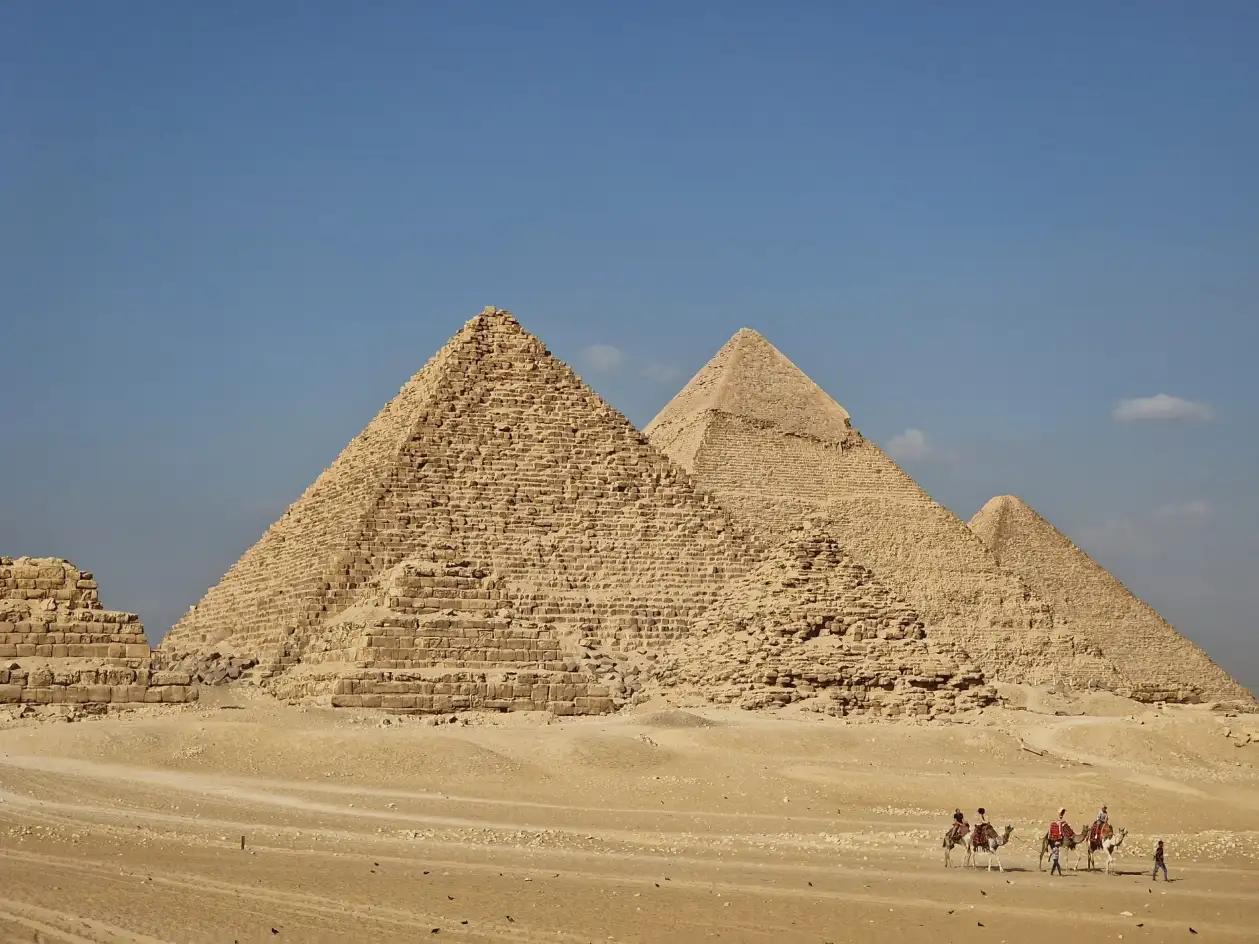
The pyramids of Khufu, Khafre, and Menkaure make Giza one of the most recognizable places to visit in Egypt. Alongside the Great Sphinx, they form part of a much larger landscape of ancient monuments.
Allow time to appreciate the setting beyond the main viewpoints. A knowledgeable guide can explain how the pyramids, temples, and surrounding tombs connected. Check your ticket carefully, as general admission does not include entry into every monument or pyramid interior.
Bring sun protection and comfortable shoes. If you plan to enter a pyramid, ask about narrow passages and physical demands before purchasing additional admission.
Choose a Museum That Matches Your Interests
The Grand Egyptian Museum near Giza offers another way to explore ancient Egyptian history. Check its official website for current galleries, admission options, and visitor arrangements before planning your day.
The Egyptian Museum in Tahrir Square is a separate institution in downtown Cairo. Its collection includes the Narmer Palette and statues of the kings associated with Giza’s pyramids. Choose your museum visits according to your interests and available time.
Experience Cairo Beyond Ancient Egypt

Walk Through Historic Streets and Markets
Cairo’s history extends far beyond the pharaohs. Historic Cairo brings together mosques, religious schools, fountains, and old neighborhoods that reveal centuries of urban life. UNESCO recognizes this historic area for its architectural and cultural importance.
Explore the streets around Khan el-Khalili with time to browse and pause for refreshments. Look closely at building entrances and decorative details instead of treating the neighborhood only as a shopping stop.
Ask before photographing people or entering working spaces. When buying souvenirs, confirm the price and any delivery arrangements before paying.
Explore Coptic Cairo
Coptic Cairo offers a different perspective on the city’s religious heritage. The Hanging Church and the surrounding historic area can add depth to an itinerary focused mainly on ancient monuments.
The wider Historic Cairo heritage area includes Christian, Islamic, and Jewish landmarks, reflecting the city’s layered past. Check individual access arrangements and respect worship services during your visit.
Explore Luxor’s Ancient Temples and Tombs
Walk Among the Columns at Karnak
Karnak is a vast religious complex on Luxor’s east bank. Its temples, chapels, and monumental columns reward an unhurried visit. Rather than trying to understand every inscription, focus on a few features with help from a guide. Learning how different rulers added to the complex makes its scale easier to appreciate.
Egypt’s Ministry of Tourism and Antiquities describes Karnak as a landscape containing many temples and chapels. Luxor Temple offers another stop within the city. Give each site enough time rather than squeezing both into a rushed outing.
Discover the West Bank
Across the Nile, the Valley of the Kings and the Temple of Hatshepsut offer a contrast to the east-bank temples. Together with other monuments, they belong to the ancient landscape of Thebes and its necropolis.
Confirm which tombs are open and what your ticket includes before entering. Access, separate admissions, and photography rules can vary.
Plan breaks between sites. Exposed paths, steps, and warm conditions can make a full sightseeing day more tiring than expected.
Enjoy Aswan and Southern Egypt
Visit the Temples of Philae
Philae combines temple architecture with a scenic island setting near Aswan. Many surviving structures date mainly to the Ptolemaic period, adding another chapter to Egypt’s long history.
Before booking an excursion, ask whether transport, the boat transfer, admission, and guiding are included. Clear arrangements help you understand the total cost.
Leave time afterward to enjoy Aswan at a slower pace rather than moving straight into another long excursion.
Plan a Separate Excursion to Abu Simbel
Abu Simbel is among the most striking Egypt attractions, with monumental rock-cut temples in Nubia near the country’s southern border.
Its location requires deliberate planning. Compare transport options and understand the departure time, journey length, and time allowed at the temples.
Treat it as a substantial excursion rather than a quick addition to an already crowded Aswan day.
Discover Alexandria’s Coastal History
Explore a Different Side of Egypt’s Past
Alexandria offers a Mediterranean setting and a change from the temple-focused routes farther south.
Consider the Graeco-Roman Museum if you want to explore the meeting of Egyptian, Greek, and Roman cultures. Its focus helps explain why Alexandria’s history feels different from the ancient sites around Luxor and Giza.
Leave Time for the Waterfront
Balance museum visits with an unhurried walk along a suitable section of the Corniche and a meal overlooking the sea.
Choose nearby stops rather than crossing the city repeatedly. If Alexandria is a priority, compare an overnight stay with a day trip and account for the travel involved.
Plan a Manageable Egypt Itinerary
Build Your Route Around a Few Priorities
For a first visit, Cairo and Giza provide a starting point. Add Luxor for temples and tombs, then consider Aswan if your schedule allows.
Alexandria works as a separate northern extension. Fewer destinations can leave more room for guided visits, meals, and rest.
Check Details Before Booking
Confirm attraction access, transport, ticket inclusions, and cancellation terms through official sources or your chosen provider.
Before departure, review current entry requirements and your government’s travel advice. A flexible itinerary makes the main things to do in Egypt easier to enjoy without rushing.